The Justice Department is investigating whether five major US television networks violated federal antitrust laws when they briefly suspended their shared pool coverage of the White House last month — the latest escalation in the Trump administration's confrontation with the press. Officials contacted ABC, CBS, CNN, NBC and Fox News on Friday demanding communications and materials related to the TV press pool, six people familiar with the matter told The New York Times, which first reported the inquiry on Saturday.
A Justice Department spokeswoman, Emily Covington, confirmed the contours of the probe in a statement: "Members of the television press pool have proudly boycotted covering White House events. Group boycotts among commercial competitors can violate the Sherman Act," she said, referring to the cornerstone US antitrust statute. "The Antitrust Division is simply investigating to determine whether these news organizations have violated the antitrust laws," Reuters reported.
What the networks did
The investigation concerns a days-long lapse in pool coverage in September. On September 18, President Donald Trump banned CNN — along with MS NOW and Politico — from the White House complex, complaining about their coverage of him. The outlets sued, arguing the ban violated their constitutional rights. With CNN unable to fulfil its assigned pool duties, the television pool's chair announced on September 21 that no replacement pool would be put in place and that the networks would suspend their shared footage of the president, according to USA Today.
The pool is a long-standing arrangement in which the five networks take turns filming the president and distributing the footage to news outlets nationwide. There was no pooled TV coverage of Trump's events for several days until a federal judge issued a temporary restraining order on September 24, halting the ban and requiring the White House to reinstate the outlets' press passes for two weeks. The networks have since resumed pool coverage, while the underlying litigation remains pending — with the Justice Department itself defending the ban in court.
Why it is unusual
Antitrust law is designed to police anti-competitive conduct among commercial rivals, and its application to journalists' collective protest of a government access decision is widely regarded as extraordinary. One leading First Amendment group called the probe nonsensical, CNN reported. Representatives for all five networks declined to comment or did not respond to requests for comment on Saturday night, and the White House did not immediately respond either.
The inquiry did not appear in a vacuum. Trump ally Laura Loomer publicly encouraged the department to challenge the networks on antitrust grounds two weeks ago, according to CNN. And it follows a pattern of the administration using the levers of government against media organisations it views as adversarial: the Justice Department has subpoenaed reporters from The New York Times and seized a laptop from a Washington Post journalist, The New York Times reported.
A deepening press war
The probe lands amid the most sustained clash between a US presidency and the press corps in recent memory. Trump has said ABC and NBC should lose their broadcast licences for not carrying a speech of his, has called unfavourable coverage treasonous, and his administration has limited press access to government spaces — part of a broader drive that has also unsettled concerns over press freedom in the US media landscape.
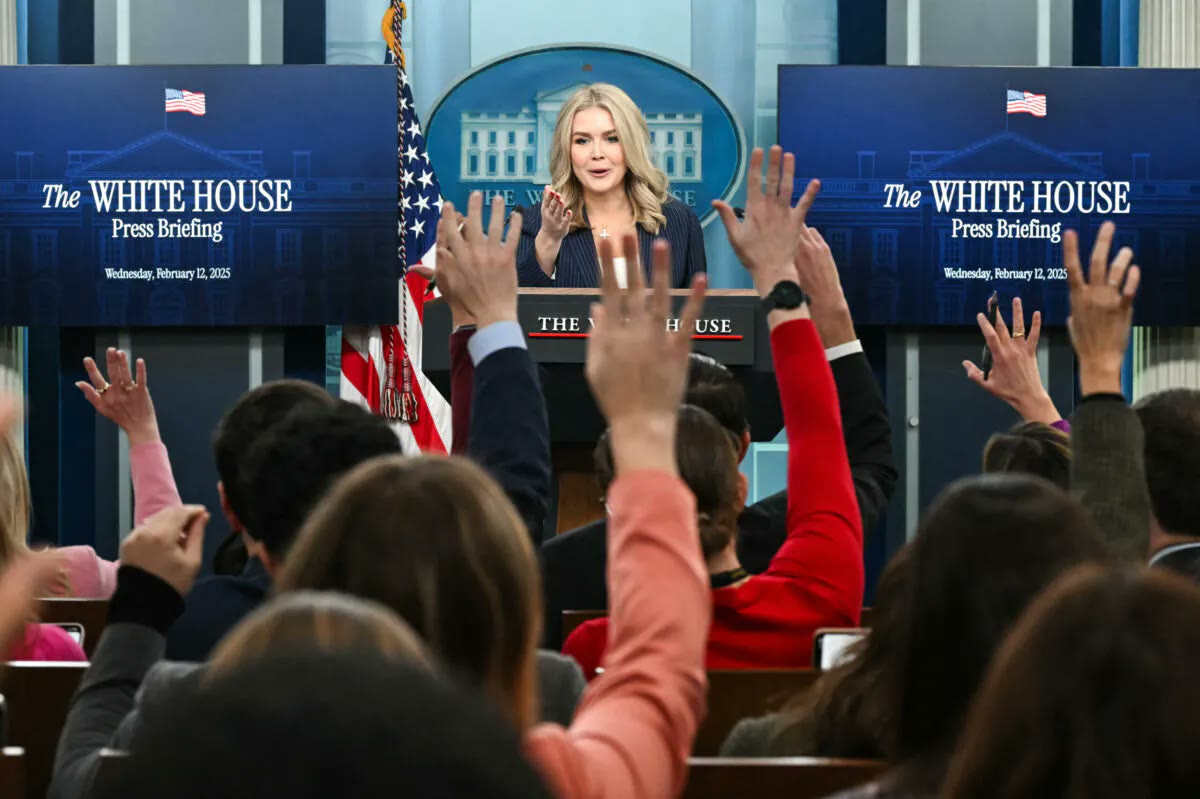
The dispute also continues to reshape the White House briefing ecosystem itself, where changes to who controls access and who speaks for the administration have already drawn intense scrutiny. Whether an antitrust probe can survive legal challenge against journalists coordinating to defend access rights — a context far removed from price-fixing or market collusion — will be the question the Antitrust Division must now answer.
Frequently Asked Questions
What is the Justice Department investigating?
The Antitrust Division is examining whether ABC, CBS, CNN, NBC and Fox News violated federal antitrust laws — specifically the Sherman Act — by collectively suspending their pooled television coverage of the White House in September. Officials contacted the networks on October 9 seeking communications about the press pool.
Why did the networks suspend pool coverage?
Trump banned CNN, MS NOW and Politico from the White House on September 18. Because CNN could not fulfil its assigned pool duties, the TV pool chair announced on September 21 that no replacement pool would be arranged, suspending shared coverage until a federal judge temporarily blocked the ban on September 24.
What is the TV press pool?
The White House television pool is a long-standing rotation in which the five major broadcast networks share the cost and labour of filming the president — on travel and in spaces too small for the full press corps — and distribute the footage to outlets across the country.
Have the networks responded?
No. Representatives for all five networks either declined to comment or did not respond to requests for comment on October 10, and the White House did not immediately respond to an inquiry.
Why is this probe considered unusual?
Antitrust law polices anti-competitive conduct between commercial rivals. Applying it to journalists who briefly stopped covering the president to protest the banning of a peer is unprecedented; First Amendment advocates have called the probe nonsensical.