India and China have concluded a second round of Corps Commander-level military talks aimed at easing tensions along the Line of Actual Control (LAC) in Arunachal Pradesh, agreeing on rules of engagement and open lines of communication before the Himalayan winter makes the frontier nearly impassable. The closely guarded discussions, which began on November 8 — the day after Diwali — ran for nearly 10 days, with a short break in between, according to The Hindu.
The talks were described as cordial. But neither side has issued an official statement, and it remains unclear whether the measures discussed will actually be put into practice on the ground before winter sets in fully — the question that will decide whether this round of diplomacy amounts to more than a conversation.
What the commanders agreed to discuss
The Indian delegation was led by Lieutenant-General Girish Kalia, General Officer Commanding of the Army's III Corps — also known as the Spear Corps, headquartered at Rangapahar near Dimapur in Nagaland — with a Ministry of External Affairs official also part of the team. His Chinese counterpart was a senior People's Liberation Army officer, likely from the Western Theater Command, according to The Indian Express.
The discussions centred on practical, ground-level questions rather than the grand politics of the boundary dispute: drawing up engagement protocols between the two militaries, preventing face-offs and misunderstandings between troops deployed along the frontier, maintaining open communication channels, and reducing tensions in the eastern sector before winter.
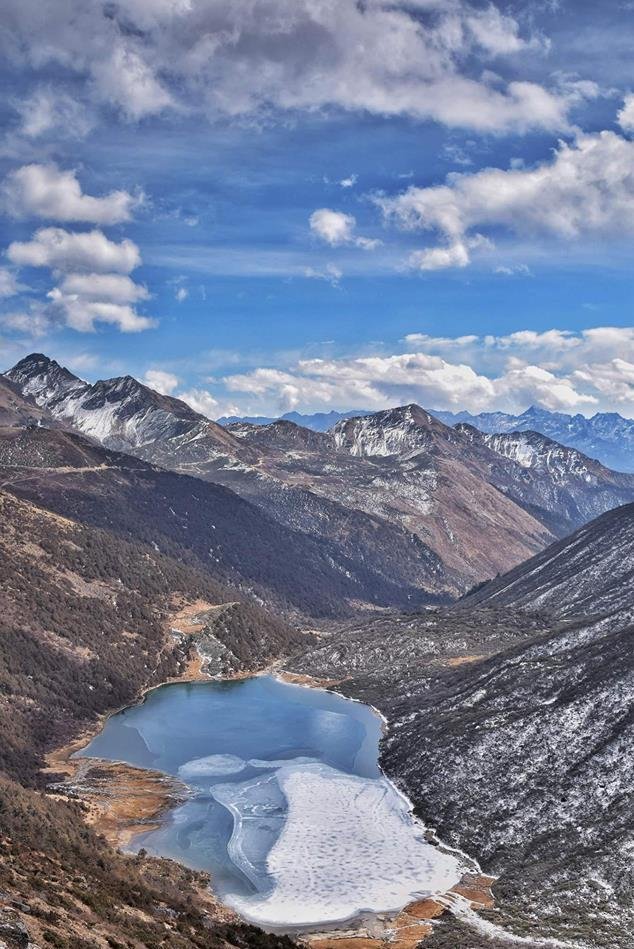
That focus is deliberate. The III Corps is responsible for a major portion of the roughly 1,140-kilometre-long LAC in Arunachal Pradesh, where winter conditions can become extremely severe, posing considerable challenges to troop sustenance, movement and logistical support. Snowfall blocks several patrolling routes for months at a time, and any incident in those conditions is far harder to manage — or to walk back.
The standoff that made the talks urgent
The latest round comes amid continuing tensions in the Taksing area of Upper Subansiri district, where Indian and Chinese troops have reportedly been locked in a standoff since July. Locals in the area have reported spotting Chinese troops and graffiti since the summer, a detail that has received far less attention than the talks themselves but explains their urgency: this was not a routine confidence-building exercise, but a response to a live friction point.
It also follows a first round of Corps Commander-level talks in the eastern sector, held on September 6 and 7, 2026, at the Wacha-Damai Border Personnel Meeting point in the Kibithoo sector of Anjaw district. That meeting came shortly after the latest round of boundary talks between the two countries' special representatives — National Security Adviser Ajit Doval and Chinese Foreign Minister Wang Yi — in Beijing in August, and ahead of Chinese President Xi Jinping's visit to New Delhi for the BRICS summit on September 12–13.
One source told Rediff that "de-escalation was visible" on the ground, amid heavy deployment of Indian troops — the first indication that the dialogue is producing movement rather than only words. That claim, however, has not been confirmed by either government, and no independent verification has been offered.
Why the border keeps flaring up
The deeper problem is structural. India and China do not agree on the length of their shared border and hold different perceptions of where the claim lines run. The boundary issue remains unsettled, and the eastern sector — spanning Sikkim to Arunachal Pradesh — is only one of three sectors where patrols from both sides can meet in territory the other claims.
India's Ministry of External Affairs has said the situation along the LAC "gets disturbed from time to time when Chinese forces diverge from established patrolling patterns". Arunachal Pradesh Chief Minister Pema Khandu has struck a calmer note, telling reporters that transgressions happen and "it is nothing new since the border is not defined", while insisting that "the situation is quite normal now and our Armed Forces are guarding the border very well".
Former Chief of Defence Staff Lieutenant-General Anil Chauhan (retd) has warned that the unsettled boundary, differing perceptions of it, infrastructure construction and force multipliers create "the possibility of friction and escalation" — which, he said, requires vigilance, credible capabilities, clear agreements and consistent adherence to them. The current talks are, in effect, an attempt to supply the last two of those four ingredients at the local level.
What happens next
The test of the talks will come in the coming weeks, as winter closes in. If the engagement protocols agreed in the room translate into fewer patrol confrontations and faster de-escalation of incidents on the ground, the two rounds of commander-level dialogue will have done their job. If not, the same friction points — Taksing among them — will still be there in the spring, when the snow melts and patrolling resumes in earnest.
For now, the silence from both capitals is telling in itself. Neither New Delhi nor Beijing has claimed a breakthrough, and neither has denied that progress was made. In a relationship where public statements are carefully calibrated, the decision to let the talks speak through unnamed defence sources rather than official communiqués suggests both sides want the space to implement what was discussed — without the pressure of a declared outcome.
The episode also fits a wider pattern of Asian diplomacy this season: India has been active on its neighbourhood front, with Nepal's prime minister concluding a state visit to New Delhi the same day (see our earlier report), while China has been recalibrating its own international calendar (see our earlier report). The Arunachal talks, held out of the public eye for 10 days, are the quiet military counterpart to that visible diplomacy.
Frequently Asked Questions
What did India and China agree in the Arunachal talks?
The two sides held a second round of Corps Commander-level talks, from November 8 for nearly 10 days, focused on engagement protocols between the two militaries, preventing friction between patrolling troops, keeping communication channels open and reducing tensions along the Line of Actual Control in Arunachal Pradesh before winter. No official joint statement was issued.
Who led the talks?
The Indian delegation was led by Lieutenant-General Girish Kalia, General Officer Commanding of the Army's III Corps (Spear Corps), with a Ministry of External Affairs official also present. His Chinese counterpart was a senior People's Liberation Army officer, likely from the Western Theater Command.
Why is the timing before winter important?
Winter conditions along the LAC in Arunachal Pradesh are extremely severe: snowfall blocks several patrolling routes, and sustaining troops and supply lines becomes very difficult. An incident in those conditions is harder to manage, so both sides wanted protocols in place before the weather closes in.
What is the Taksing standoff?
Indian and Chinese troops have reportedly been locked in a standoff in the Taksing area of Upper Subansiri district, Arunachal Pradesh, since July 2026, with locals reporting sightings of Chinese troops and graffiti in the area. The standoff is part of the background to the latest round of talks.
Has the border dispute been resolved?
No. India and China do not agree on the length of their border and have different perceptions of the claim lines. The talks address ground-level friction and communication, not the underlying boundary question, which remains unsettled.