The United States has unveiled a $2.4 billion military financing package for the Philippines, presented as a major boost to Manila's ability to defend itself in the South China Sea — but the headline figure hides two awkward facts: most of the money is a loan that must be repaid, and much of it was already approved before Donald Trump returned to the White House, according to the South China Morning Post.
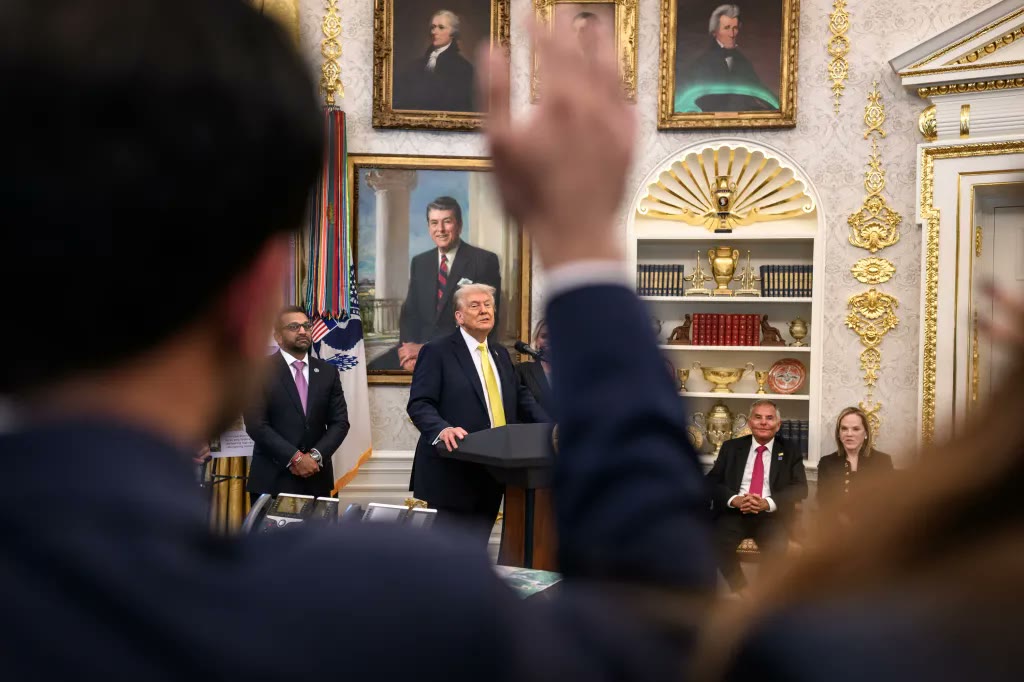
Unveiled alongside Trump's visit to Manila last week, the package combines more than $2 billion in loans with $400 million in military financing. A White House fact sheet released as the president wrapped up his trip said the $400 million would be used to strengthen the Philippine military's operational reach and deterrence in the South China Sea, where Chinese coastguard and naval vessels routinely confront Philippine ships around disputed reefs and shoals.
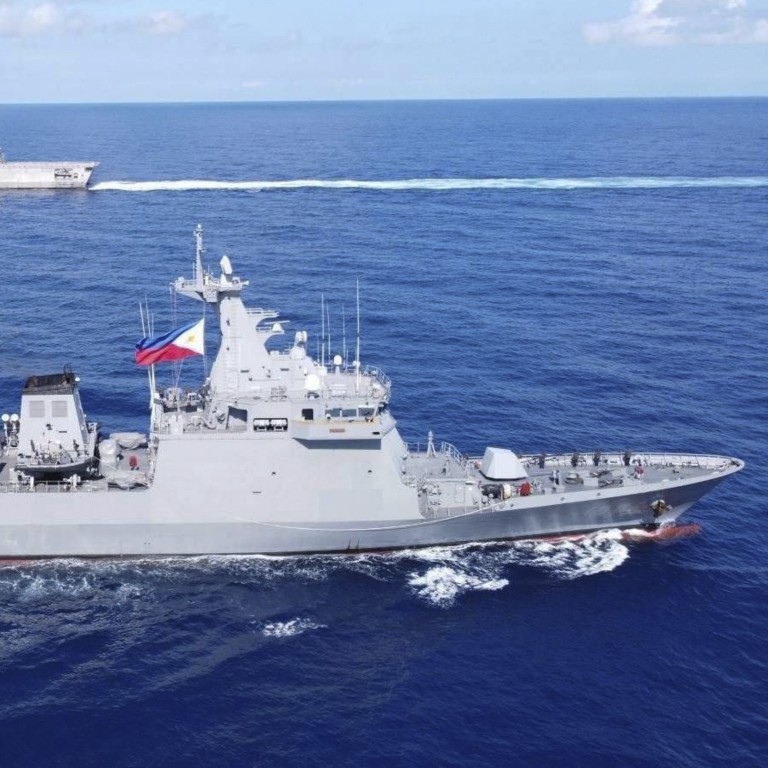
For Manila, the money arrives at a moment of real pressure. Philippine vessels have been rammed, blocked and blasted with water cannon in contested waters, and the country's armed forces remain far weaker than China's. For Washington, the package is a signal — to Beijing, to Manila and to the rest of Asia — that the United States still intends to stand by its oldest treaty ally in the region. The question is how much of that signal is substance, and how much is repackaging.
Table of Contents
- What the package actually contains
- The catch: a loan, not a gift
- Mostly repackaged money
- Why now: elections and the South China Sea
- What the package does not answer
- What happens next
- Frequently Asked Questions
What the package actually contains
The headline breaks down into two parts. The larger share — over $2 billion — is offered as loans to finance Philippine defence purchases. The smaller share — $400 million — is military financing, effectively aid, earmarked for the Philippine military's reach and deterrence capabilities in the South China Sea.
The money is meant to strengthen military bases under the Enhanced Defence Cooperation Agreement (EDCA), the deal that gives US forces access to nine Philippine bases, and to invest in AI-enabled military systems and cloud infrastructure, as well as to improve interoperability between the two countries' armed forces. Trump arrived in Manila at the tail end of the 49th ASEAN Summit before concluding his trip last Wednesday, also announcing more than $17 billion in commercial deals and strategic investments.
The package fits into a wider pattern of Philippine defence modernisation. Manila has been held up as a model ally by Trump's own defence officials — Defence Secretary Pete Hegseth singled out the Philippines at the Shangri-La Dialogue in May for a 12 per cent budget increase to modernise its armed forces and coastguard. Chronicle covered the arrival of leaders for the 49th ASEAN Summit in Manila as the visit unfolded.
The catch: a loan, not a gift
The most important detail in the package is also the least advertised: because the bulk of it is a loan, it comes with strings attached. Chester Cabalza, founder and president of the Manila-based think tank International Development and Security Cooperation, told the South China Morning Post that the loan binds the Philippines to American defence contractors.
"Since this is a loan, it contains a contract that we exclusively buy their defence materiel. Simply said, we are using people's taxes in building our military muscle, which should not be squandered," Cabalza said.
That condition cuts both ways. On one side, it lets Manila buy modern weapons outside the limits of its annual national budget — a real advantage for a country whose defence spending remains modest next to its neighbours. On the other, it deepens dependence on a single supplier. Every peso of the loan that buys American hardware ties Philippine logistics, maintenance, spare parts and training to the United States for decades, narrowing Manila's freedom to shop elsewhere or to build its own defence industry.
Jomari Jesus Tan, a political scientist at the University of Santo Tomas, warned that the package "actually draws the Philippines deeper into US protection, as increased arms sales between the two countries further intertwine their supply chains and logistics with one another, making the Philippines further rely on the United States."
Mostly repackaged money
The second awkward fact is that much of the package is not new. Matteo Piasentini, a geopolitical analyst with the Italian think tank Geopolitica.info and a lecturer at the University of the Philippines Diliman, noted that the US Congress had already approved the budget and that the Trump administration was confirming packages initiated under former president Joe Biden.
Cabalza traced the loan to the US National Defence Authorisation Act, signed last year alongside multi-year foreign military financing set to begin this year. In other words, the Trump administration is unveiling, with considerable ceremony, funding that was already in the pipeline — a familiar pattern in which a new government claims credit for its predecessor's commitments while adding its own branding.
That does not make the money worthless. Confirmed funding is still funding, and the political signal — that Washington will keep the money flowing — matters to Manila's planners. But it does mean the $2.4 billion figure overstates how much Trump himself has added to Philippine defence. Piasentini was explicit on this point: "There is no reduction in US security commitments to the Philippines; rather, these forms of financing are additive to existing defence and security commitments, which have remained constant from the Biden administration to the Trump administration."
Why now: elections and the South China Sea
The timing is not accidental. Santiago Castillo, a Manila-based defence and security analyst for FACTS Asia, pointed to the 2028 presidential elections in both countries as a primary driver, as both prepare for leadership transitions amid regional questions over Washington's security commitments.
"The US wants to signal to the Philippines that it is serious in its support for defence modernisation," Castillo said. "Likewise, the financing package is also a way for the US to support its ally without being too involved in Philippine defence development, albeit officially."
Tan highlighted that the announcement coincided with the ASEAN and APEC summits, as well as Trump's trilateral meeting with China and Russia. "Like-minded states like the Philippines will receive the benefits of aligning with the United States, reminding Asia that the United States can and will support its friends in the region," he said.
The backdrop is China's forceful assertion of its claims in the South China Sea, where Philippine vessels face near-daily pressure. Chronicle has previously reported on the dispute over waters near Batanes in the northern Philippines, one of several flashpoints where Manila's coastguard and navy operate within sight of Chinese ships. Against that pressure, Washington's message is that alignment pays — and that Manila, unlike allies lectured over burden-sharing, is being rewarded for spending more on its own defence.
What the package does not answer
For all the ceremony, the package leaves the most important question unanswered: what happens if the situation in the South China Sea escalates? The financing strengthens Philippine forces and bases, but it contains no new American commitment to fight alongside them. As Castillo put it: "While the US defence financing package to the Philippines does signify their alliance, it is still unclear what else is there if the situation in the South China Sea escalates or exacerbates further."
That gap matters because the package's logic points in two directions at once. Cabalza summed up Washington's message bluntly: "The message is simple. America is giving Manila the rod, not the fish. We're backing the Philippines at the starting line, but they have to run the race."
A more inward-focused US foreign policy could, paradoxically, help Manila by forcing domestic innovation — Castillo argued it could push the Philippines to "seriously consider upgrading its nascent defence industry and innovation ecosystem towards a more substantial role in that value chain." But Tan warned that building the domestic infrastructure needed to deter China independently would "take time", and the announcement coincided with talks over initiatives such as the Luzon Economic Corridor and the Pax Silica hub, which cover dual-use technology and eventual arms development.
Piasentini offered a different reading of Washington's intent: "There may be an understanding in Washington that in order for the Philippines to remain aligned, the US needs to keep the Armed Forces of the Philippines reliant on its aid and relatively confident in the solidity of the alliance." On that view, the loan is not a step toward Philippine self-reliance at all — it is the price of keeping Manila close.
What happens next
The test of the package will come in the months ahead, in three places. First, in the Philippine Congress and budget process, where lawmakers will have to decide whether taking on more than $2 billion in defence debt — repayable from taxpayers' money — is worth the hardware it buys. Second, in procurement: which American systems Manila actually orders, and how quickly they arrive, will show whether the package is a shopping list or a press release. Third, at sea: whether a better-equipped Philippine military changes the daily reality of Chinese pressure around disputed features, or whether the balance of power in the South China Sea barely moves.
For now, the Philippines has $2.4 billion of American backing on paper, a loan to repay, and the same disputed waters to patrol. The rod has been handed over. The race, as Cabalza said, is Manila's to run.
Frequently Asked Questions
What does the US defence package for the Philippines include?
More than $2 billion in loans for defence purchases plus $400 million in military financing, aimed at strengthening Philippine military bases under the Enhanced Defence Cooperation Agreement, investing in AI-enabled military systems and cloud infrastructure, and improving interoperability between the two countries' armed forces.
What is the catch in the $2.4 billion package?
Because most of the money is a loan rather than a grant, it binds the Philippines to buying American defence equipment exclusively, and the debt is repaid from Philippine taxpayers' money — deepening Manila's dependence on US hardware, spare parts and training.
Is the $2.4 billion in new money from the Trump administration?
Much of it is not new. Analysts note that the US Congress had already approved the funding and that the package revives commitments initiated under former president Joe Biden, including financing in the National Defence Authorisation Act signed last year.
Does the package commit the US to defend the Philippines if China escalates in the South China Sea?
No new combat commitment has been announced. The package strengthens Philippine forces and shared bases, but analysts note it remains unclear what additional US support would follow if the situation in the South China Sea escalates.