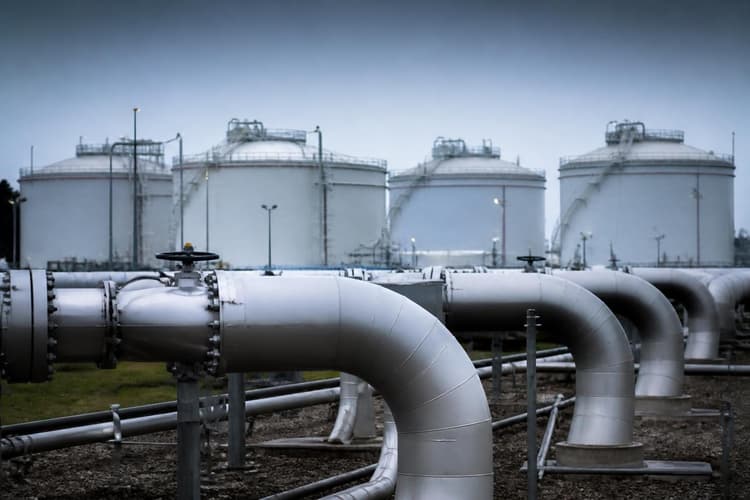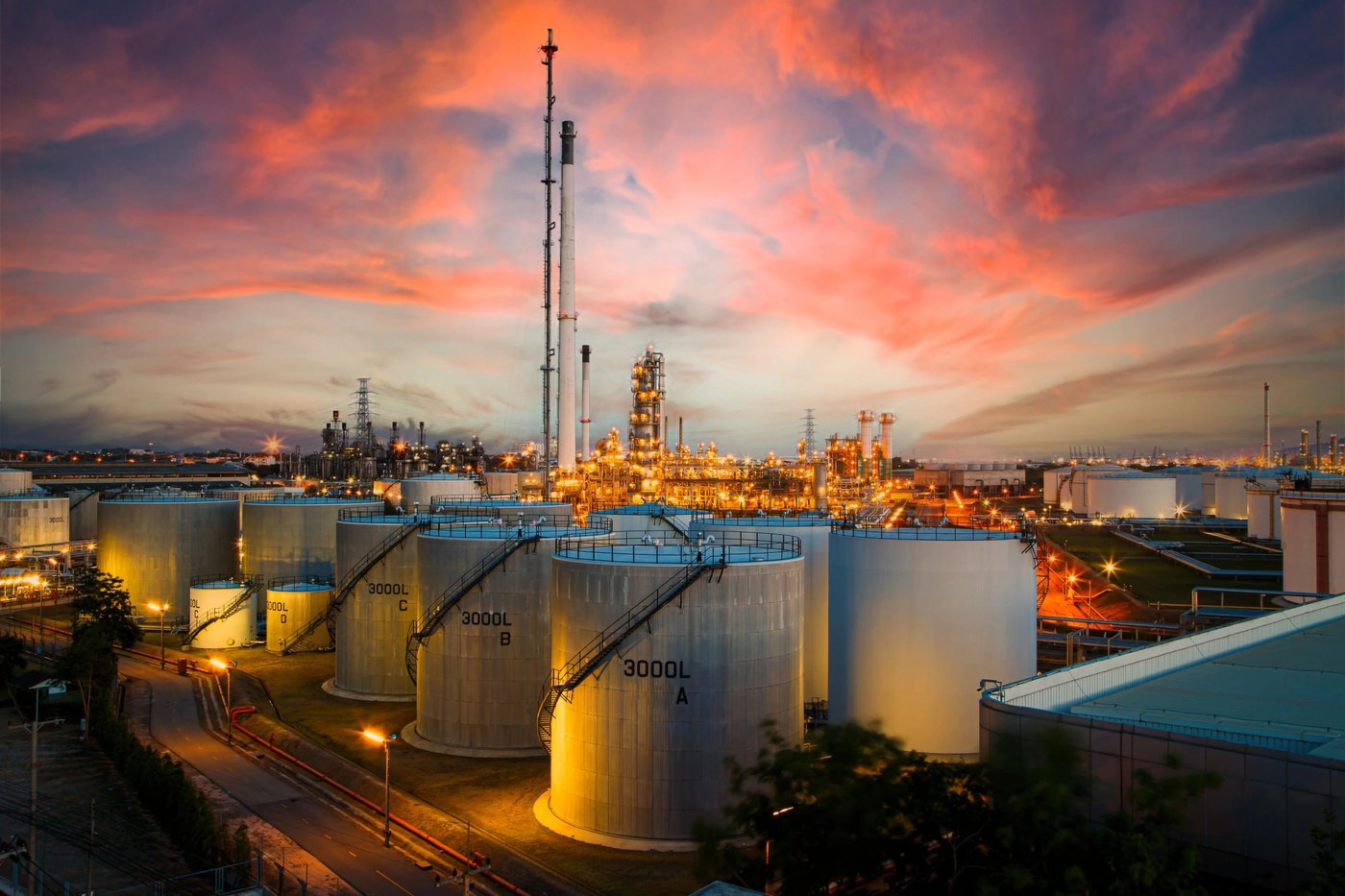
The world's seven largest advanced economies have agreed to open their emergency fuel reserves in a coordinated intervention unseen since the 2022 energy crisis. After a video conference chaired by French President Emmanuel Macron, the G7 announced it would release 100 million barrels of crude oil and diesel over four months through the International Energy Agency — a move aimed squarely at record diesel prices that have become a political liability for the Trump administration weeks before the US midterm elections.
Table of Contents
- What the G7 agreed
- Why diesel prices exploded
- Trump's pressure campaign
- Will the release actually work?
- Why diesel matters more than gasoline
- Key takeaways
What the G7 agreed
The joint statement, issued on Thursday after the leaders' call, commits the group — the US, UK, Canada, Japan, Germany, Italy and France, with the EU also represented — to a coordinated drawdown through the IEA. According to Al Jazeera, the release begins immediately and runs for four months, with a "substantial diesel release within the first 20 days" and talks on further diesel releases in the coming days.
The statement said leaders would "implement our commitments with a coordinated release through the IEA of 100 million barrels," taking into account pledges already fulfilled. IEA Executive Director Fatih Birol had earlier said members already released roughly two-thirds of a previously agreed 400-million-barrel drawdown.
The leaders also pledged to coordinate refinery maintenance schedules to avoid simultaneous shutdowns, temporarily raise refinery utilisation where possible, and refrain from imposing export restrictions on energy products between member states.
Why diesel prices exploded
The crisis has three intertwined causes. The US-Israel war on Iran has disrupted Gulf energy exports, with the closure of the Strait of Hormuz choking flows from the region. Ukraine's strikes on Russian refineries have cut Moscow's diesel exports entirely — Russia was the world's second-largest diesel exporter, shipping 783,400 barrels per day. And China has stopped exporting diesel altogether, according to former IEA analyst Neil Atkinson, who spoke to Al Jazeera.
The numbers are stark. US diesel hit a record average of $6.50 per gallon on Friday, up from $5.61 a month earlier, per AAA data. Brent crude jumped more than $4 a barrel on Thursday, briefly spiking above $100 before settling around $102 after the G7 announcement. The energy shock rippling from the Iran war and the fighting around Yemen's Red Sea coast have kept global supply "significantly below pre-war levels" seven months into the conflict, Atkinson said.
Trump's pressure campaign
The announcement followed days of unusually public arm-twisting by Washington. Last week, the Trump administration threatened to ban US diesel exports — a dramatic step given that America is the world's largest diesel producer and exporter at around 1.26 million barrels per day. Treasury Secretary Scott Bessent then urged Europe to "immediately" tap its reserves, and Trump said he "may" ask European countries to release diesel stocks.
Then, on Friday, Trump abruptly reversed course. Standing at the White House, he declared the export ban was never really on the table: "Europe has a lot of diesel, and they're going to be making a major world contribution, and so are we. We're not going to be doing the export ban." On Truth Social he claimed credit, writing that "Europe has just agreed to release a massive amount of their heavily stocked Diesel Oil. The process will begin immediately."
The politics are transparent: with diesel up roughly 70% and the November midterms approaching, record fuel prices risk punishing Republicans at the ballot box. The White House is also reportedly preparing an executive order to tackle record US diesel prices, possibly as early as next week, according to Reuters — a sign that even the G7 release may not satisfy the administration.
Will the release actually work?
Analysts are divided. Naeem Aslam, chief investment officer at Zaye Capital Markets, told Al Jazeera the release was "very much needed" but mostly serves to ease pressure on the market — the real structure of who releases what, and where export bans are lifted, matters more. He expects pressure to ease over the weekend but warned of a possible reversal when markets open Monday.
Atkinson was blunter: the release is welcome but "doesn't deal with the fundamental problem that the global supply remains lower than normal." Emergency stocks buy time; they don't replace lost Gulf, Russian and Chinese exports.
President Macron, who co-chaired the leaders' call, insisted the move would "bring down the prices of petroleum products, particularly diesel" — a claim the market will test in the coming week.
Why diesel matters more than gasoline
As Frederic Schneider of the Middle East Council on Global Affairs told Al Jazeera, diesel is the economy's fuel: it powers trucks, freight trains, ships, tractors, harvesters and construction machinery. Where gasoline is a tax on consumers, a diesel price shock "acts like a tax on production and logistics" — pushing up the price of almost everything delivered by truck, most prominently food and building materials, while squeezing transport margins and leaving central banks torn between cutting rates to help producers and raising them to fight inflation. Farmers are hit twice: diesel and fertiliser prices are rising together, both pushed up by the Hormuz closure.
With unemployment ticking up in the US and household budgets under strain, that tax is landing at the worst possible moment for the White House.
Key takeaways
- The G7 will release 100 million barrels of crude and diesel from emergency reserves over four months via the IEA, with a major diesel release in the first 20 days.
- The decision followed a public pressure campaign by Donald Trump, who first threatened a US diesel export ban, then dropped it and claimed credit for the deal.
- US diesel hit a record $6.50 per gallon amid the Iran war's disruption of Gulf exports, Ukraine's strikes on Russian refineries, and the end of Chinese diesel exports.
- Analysts warn the release eases pressure but does not fix the underlying supply shortfall — and markets could reverse as early as Monday.