Europe is heading into winter with its gas tanks unusually empty and its energy markets on edge. In a letter to the energy ministers of all 27 member states, EU Energy Commissioner Dan Jørgensen has warned of a "price crisis linking to a supply crisis" and urged capitals to prepare demand-reduction measures now — before conditions deteriorate. The message is voluntary, not mandatory, but its tone is unmistakably urgent.
Table of Contents
- The letter: "a price crisis linking to a supply crisis"
- Why now: the Iran war's shadow over energy markets
- The numbers: storage 12 points below last year
- What Brussels is asking governments to do
- Better prepared than 2021 — but exposed
- What it means for households and bills
- Key takeaways
- FAQ
- Sources
- Read more on Chronicle
The letter: "a price crisis linking to a supply crisis"
The letter, dated 25 September and first reported by Reuters, is addressed to every EU energy minister. In it, Jørgensen writes that while there are "no immediate risks" to security of supply, governments must act early. "I invite you to consider taking or continuing to take measures that can sustain [gas storage] injections or reduce gas and electricity demand for as long as necessary," he wrote, according to France 24.
The Commission is not announcing mandatory cuts. The request is framed as preparation: have the measures ready, and keep them available for as long as market conditions demand. Reuters described the message as a warning that a supply crunch could rapidly become a price crisis for consumers.
Why now: the Iran war's shadow over energy markets
The backdrop is the continuing fallout of the Iran war. The conflict has effectively disrupted shipping through the Strait of Hormuz — the narrow waterway that normally carries around a fifth of the world's oil and liquefied natural gas. Europe, which imports roughly 80% of the gas it consumes, is heavily exposed to the resulting price swings.
Global LNG markets are tight and volatile, and higher near-term prices have made it expensive for European buyers to keep filling storage through the summer. The White House has tried to reassure markets that energy price effects should prove temporary, but analysts warn that any sustained disruption to Hormuz traffic would send prices spiking worldwide — and Europe would feel it first in heating bills.
The numbers: storage 12 points below last year
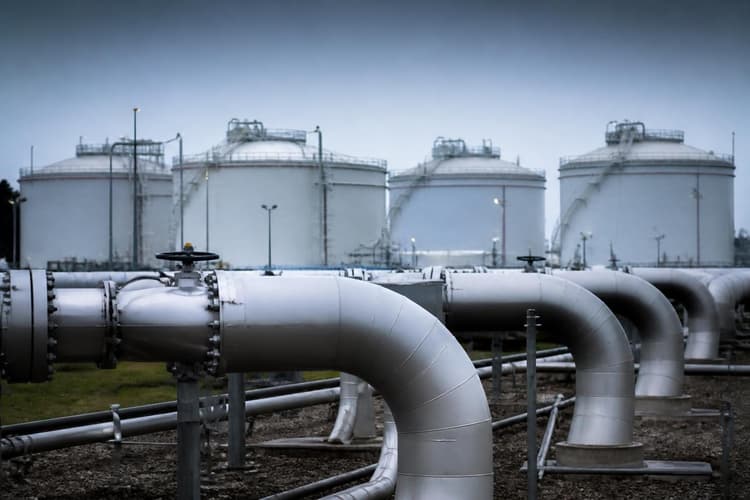
The data behind the warning is stark. According to Gas Infrastructure Europe, EU-wide gas storage is about 70% full — roughly 12 percentage points lower than at the same point last year, and well below the seasonal norm of around 86%.
That shortfall matters because storage is Europe's shock absorber. When a cold snap hits in January, withdrawals spike; starting the winter from a lower base leaves less margin for error. Some member states are already struggling with the cost of refilling, as high spot prices make every additional terawatt-hour painfully expensive.
What Brussels is asking governments to do
Jørgensen's letter sketches a familiar toolkit of demand-side measures, most of them targeting the public sector and peak hours rather than households directly:
- Limiting temperatures in public buildings and heating offices more sparingly;
- Cutting electricity use during peak hours, when gas-fired power plants typically supply the marginal megawatt — reducing electricity demand directly reduces gas burn;
- Banning outdoor heating for terraces and patios;
- Switching off unnecessary public lighting at night;
- Using smart meters to shift consumption toward off-peak periods.
The Commission has also signalled flexibility on its own rules: member states could be allowed to lower their storage filling target from 90% to 80%, easing both the price pressure and the physical scramble to refill tanks.
Better prepared than 2021 — but exposed
Jørgensen is careful to note that Europe is in a stronger position than during the winter of 2021, when Russia squeezed gas deliveries to the continent. Since then, the EU has expanded LNG import capacity, added renewable generation, and structurally reduced gas demand.
But the letter's subtext is that preparation can decay. Demand reductions achieved in crisis years tend to rebound; LNG terminals help only if cargoes are affordable and available; and a new shock — this time from the Gulf rather than from Russia — is testing the system from a different direction. The Commission's 100-billion-euro warning is blunt: since the start of the Middle East war, Europe has paid that much extra for fossil fuel imports, a dependency Jørgensen calls both expensive and dangerous.
What it means for households and bills
For now, ordinary Europeans will notice little: no rationing, no mandatory thermostat rules. The measures under discussion are preparatory and aimed primarily at public buildings and peak demand. But the direction of travel is clear — if prices spike this winter, governments will reach for the demand-cutting playbook quickly, and household bills will carry the cost of thin storage buffers.
Energy ministers are now reviewing the recommendations, with an informal meeting in Dublin already putting the issue on the agenda. The question for the coming months is whether early preparation can keep a price crisis from becoming a political one.
Key takeaways
- EU Energy Commissioner Dan Jørgensen warned ministers of a "price crisis linking to a supply crisis" in a 25 September letter.
- The trigger is Iran-war fallout roiling oil and gas markets, with Hormuz shipping disrupted.
- EU gas storage is ~70% full — 12 points below last year and under the 86% seasonal norm.
- Brussels asks states to ready voluntary demand cuts: public-building temperature limits, no outdoor heating, dimmed public lighting, peak-hour electricity savings, smart meters.
- The Commission may let states lower the storage filling target from 90% to 80%.
- No mandatory cuts yet — but ministers are reviewing measures as winter approaches.
FAQ
Is Europe facing gas shortages this winter?
Not currently. Jørgensen stresses there are "no immediate risks" to security of supply. The concern is prices: thin storage and volatile markets could make heating very expensive if winter is cold or supply tightens further.
What exactly is Brussels asking countries to do?
To prepare — not yet impose — demand-reduction measures: cooler public buildings, no outdoor heating, unnecessary public lighting switched off at night, lower peak-hour electricity use, and smart metering to shift demand. The measures should stay available "for as long as necessary."
Why is storage so low?
High and volatile prices, driven by tight global LNG markets and the Iran war's disruption of Hormuz shipping, have made refilling expensive through the summer. Storage is about 12 percentage points below last year's level.
How does this compare to the 2021 energy crisis?
Europe is better equipped now — more LNG terminals, more renewables, lower structural gas demand. But the shock is coming from a different direction (the Gulf, not Russia), and the price exposure remains severe given Europe imports ~80% of its gas.
Could the storage target really be cut to 80%?
The Commission has floated using flexibility in EU storage rules to lower the 90% filling target to 80%. That would ease refilling costs and price pressure, at the cost of a thinner winter buffer.
Sources
- France 24 (Talking Europe) — 2 October 2026: "A grim winter ahead? EU states asked to prepare gas and electricity savings."
- Reuters, via syndicated reporting — 26 September 2026: EU energy chief's letter warns of energy "price crisis," urges demand curbs.