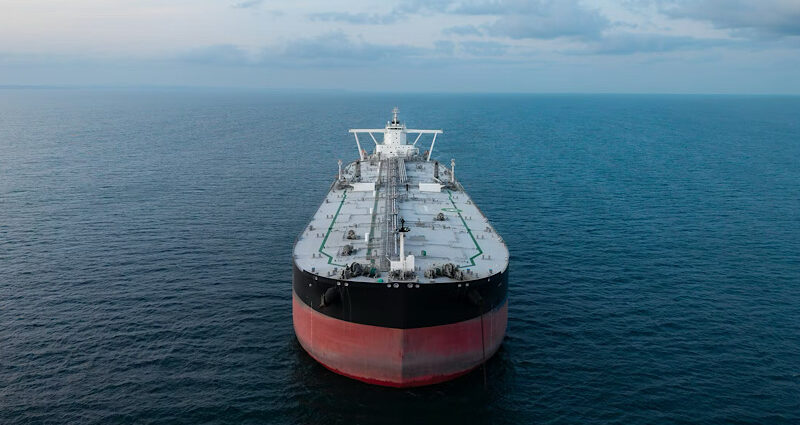
The Iran war escalated sharply on Thursday as Iranian state media reported "massive explosions" in the Strait of Hormuz and US forces confirmed striking Iranian boats caught laying naval mines, in a dramatic new phase of the battle over the world's most vital oil shipping lane.
Table of Contents
- What happened in the Strait today
- CENTCOM: "self-defense strikes" on mine-laying boats
- Markets react: oil jumps as transits plunge
- Diplomacy under fire: ceasefire talks and Trump's midterm pledge
- Key takeaways
- Sources
- Further reading
What happened in the Strait today
Iranian state broadcaster IRIB reported Thursday that several powerful explosions had rocked the southern passage of the Strait of Hormuz, citing military sources who said tankers using "unauthorized" routes may have struck naval mines deployed in the area, according to Al Jazeera's live coverage. The broadcaster offered no details on the number or identities of the vessels, casualties, or damage.
The explosions come as Tehran tightens its grip on the waterway. Iran has repeatedly warned vessels against using maritime routes not authorized by its authorities, and a senior regional official told Reuters this week that Iran's political leadership and Revolutionary Guards have agreed a plan to block routes not authorized by Tehran — including missile and drone attacks on ships and boats sent to scare them away. "This could involve missile and drone attacks on ships, or sending boats to scare ships away," a senior diplomat said. "It plans to continue this policy of fear and threats."
CENTCOM: "self-defense strikes" on mine-laying boats
In a significant confirmation, US Central Command acknowledged that American forces engaged Iranian forces in the Strait. "US forces conducted self-defense strikes in southern Iran today to protect our troops from threats posed by Iranian forces," a CENTCOM spokesperson told Fox News, adding that targets included missile launch sites and Iranian boats attempting to emplace mines, as reported by Maritime Executive.
A senior US official said on background that American forces destroyed two Iranian boats spotted laying mines in the Strait, along with a surface-to-air missile site in Bandar Abbas. Earlier, Iran's semi-official Fars news agency claimed Iranian forces had shot down a "hostile drone" over the Arabian Gulf, while Iranian social media accounts reported explosions near Bandar Abbas, Jask, and Sirik. Al Jazeera's Ali Hashem, citing an Iranian source, reported: "The IRGC targeted a vessel at sea, followed by U.S. fighter jets striking IRGC naval boats in the Gulf."
Markets react: oil jumps as transits plunge
Energy markets shuddered. Oil prices rose about 4 percent, with Brent settling at $104.28 a barrel and WTI at $91.49, amid renewed fears over the war and risks to shipping through the Strait, according to Al Jazeera. Gulf stock markets fell in early trade, with Saudi Arabia's benchmark index dropping 0.9 percent, Reuters reported.
Shipping data showed the number of vessels passing through the Strait fell to its lowest level in more than two months, after last week saw the highest number of tanker attacks of any week since the war began in late February. On Wednesday, projectiles struck a tanker 51 nautical miles north of Qatar, causing casualties, according to the UK Maritime Trade Operations agency.
Diplomacy under fire: ceasefire talks and Trump's midterm pledge
The violence unfolded even as sensitive negotiations between the US and Iran were believed to be closing in on a possible ceasefire extension. President Donald Trump said Washington was having "productive discussions" with Iran and pledged not to attack the country before the November 3 midterm elections. US Treasury Secretary Scott Bessent imposed fresh sanctions on 27 companies, six individuals, and 22 vessels, while Iran's Defence Ministry said weapons production had risen to 2.5 times its prewar level — enough, it claimed, for a "sustained and prolonged war."
Key takeaways
- Mine strikes reported: Iran's state broadcaster said tankers using unauthorized routes in the southern Strait of Hormuz may have struck naval mines.
- US retaliation confirmed: CENTCOM acknowledged destroying two Iranian mine-laying boats and a missile site in what it called self-defense strikes.
- Markets rattled: Brent crude surged 4 percent to $104.28 a barrel; Strait transits fell to a two-month low.
- Talks hang by a thread: The clash comes as ceasefire negotiations near a possible extension, with Trump ruling out new attacks before the midterms.
Frequently Asked Questions
What happened in the Strait of Hormuz today?
Iranian state media reported powerful explosions in the southern Strait, saying tankers using routes not authorized by Tehran may have hit naval mines. US Central Command separately confirmed self-defense strikes that destroyed two Iranian boats caught laying mines and a missile site in Bandar Abbas.
How are oil markets responding?
Brent crude rose about 4 percent to $104.28 a barrel and WTI to $91.49. Shipping through the Strait has fallen to its lowest level in more than two months as attacks on tankers reached their highest weekly level since the war began.
Is a ceasefire still possible?
Sensitive US-Iran negotiations are believed to be nearing a ceasefire extension, and President Trump pledged not to attack Iran before the November 3 midterms. However, both sides are escalating pressure tactics, making any deal fragile.
Sources
- Al Jazeera — live coverage of the explosions, CENTCOM strikes, and market reaction (9 October 2026).
- Reuters — Gulf markets and record tanker attacks (8 October 2026).
- Reuters — Iran's plan to block unauthorized routes (8 October 2026).
- Maritime Executive — CENTCOM confirmation of strikes and the Fars drone claim (8 October 2026).
Further reading
- Unknown projectiles strike two oil tankers near Strait of Hormuz — the October 3 double attack that signaled the new phase of the tanker war.
- Iran's seven conditions for a Hormuz standoff — Tehran's demands behind its control of the Strait.