The execution by firing squad of Nidal Hasan, the former Army psychiatrist who killed 13 people at Fort Hood in 2009, will be livestreamed to the public, the Pentagon confirmed on Thursday — an unprecedented broadcast of a United States execution. The announcement came after Defense Secretary Pete Hegseth said the military would carry out the execution openly so the public could watch.
"It will be livestreamed. Details will follow," a Pentagon official told Reuters on condition of anonymity. Hegseth confirmed the plan in a post on X, and in remarks earlier in the week vowed: "We'll make sure that people are able to watch it, that it's public, because people need to understand that there's serious consequences for these types of things."
December 3 at Fort Hood — at 1 p.m.
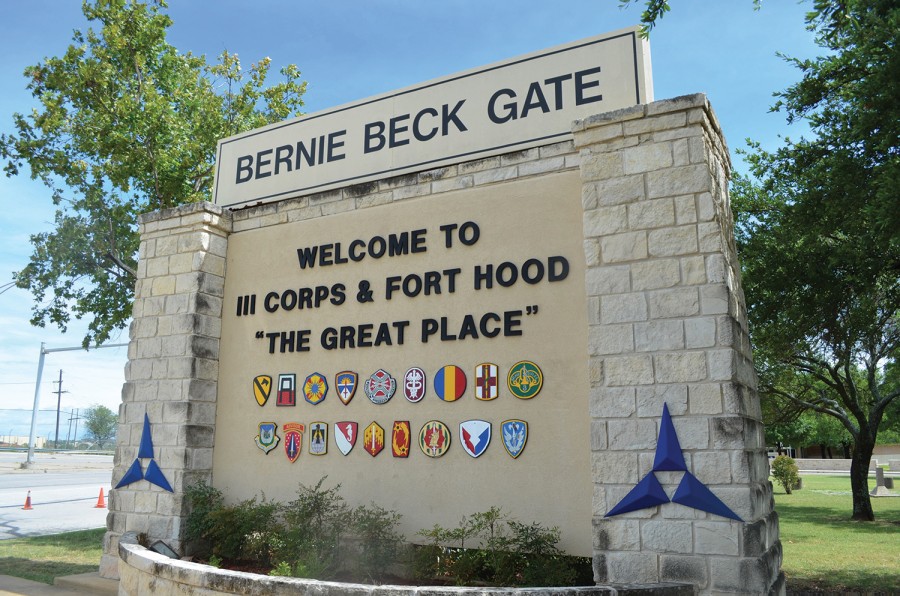
Acting Secretary of the Army Adam Telle set the date for Hasan's execution for December 3 at 1 p.m. local time — at the same sprawling Texas base where the massacre occurred. "We're going to do it on a Thursday. We're going to do it at one o'clock, which is when he did it. And it's going to be soldiers with rifles executing the firing squad," Hegseth said, describing the timing as a deliberate mirror of the 2009 attack.
Hasan, a former Army major and psychiatrist, was convicted in July 2013 of 13 counts of premeditated murder and 32 counts of attempted murder after opening fire on unarmed soldiers preparing to deploy to Afghanistan. He told his court martial that he was targeting soldiers "going to engage in an illegal war." Among the dead was a pregnant private who pleaded for the life of her baby to be spared.
The execution, which Hegseth recommended and President Donald Trump approved, will be the first by the US military since 1961 and the first carried out by firing squad since World War II — a reference to the 1945 execution of Eddie Slovik for desertion, CNN reported.
No precedent — and fierce debate expected
Media organisations have sought to televise US executions in the past but have been blocked by the courts, and no country is currently known to televise or livestream a legal execution, according to death-penalty experts. Public executions have become exceedingly rare worldwide; among the countries known to conduct them in recent years are Iran and Taliban-run Afghanistan. The last legally sanctioned public execution in the United States was a hanging in 1936, watched by thousands.
The announcement lands amid a heated national debate over the death penalty following the botched lethal injection of Tennessee woman Christa Pike last week. Pike survived the failed execution attempt and, according to her attorneys, has been walking with help and eating again — a case that has already forced uncomfortable questions about the state's handling of capital punishment. The Pentagon's livestream decision is likely to intensify that debate, drawing in civil-liberties groups, broadcast regulators and the military justice establishment alike.
Supporters will argue the public nature of the execution restores a deterrent message; critics will call it state-sanctioned spectacle. What is certain is that December 3 will be watched as closely for its symbolism as for its legality — the military's first firing-squad execution in eight decades, aired live.
Frequently Asked Questions
Who is Nidal Hasan?
Nidal Hasan is a former US Army major and psychiatrist convicted of killing 13 people and wounding 32 others in a 2009 mass shooting at Fort Hood, Texas — one of the deadliest attacks ever on a US military installation. He has been on military death row since his 2013 conviction.
When and how will the execution be carried out?
The Pentagon set the execution for December 3 at 1 p.m. local time at Fort Hood, carried out by a firing squad of soldiers. The timing deliberately mirrors the 2009 attack, which occurred on a Thursday at around 1 p.m.
Has a US execution ever been livestreamed before?
No. Media efforts to televise American executions have been blocked by courts, and no country is currently known to livestream a legal execution. The last legally sanctioned public execution in the US was a hanging in 1936.
What happens next?
The Pentagon said further details of the livestream would follow. The decision is expected to face legal challenges from civil-liberties groups and intense public debate over the ethics of broadcasting an execution.