The International Monetary Fund warned on Tuesday that the sharp increases in food and energy prices driven by the wars in Ukraine and Iran are far more persistent than economists previously assumed — producing not just a temporary inflation spike but a "lasting deterioration" in the affordability of life's essentials. The findings, released as part of the IMF's October World Economic Outlook, offer the fund's most sobering assessment yet of the cost-of-living crises that have defined the global economy over the past five years.
What the IMF found
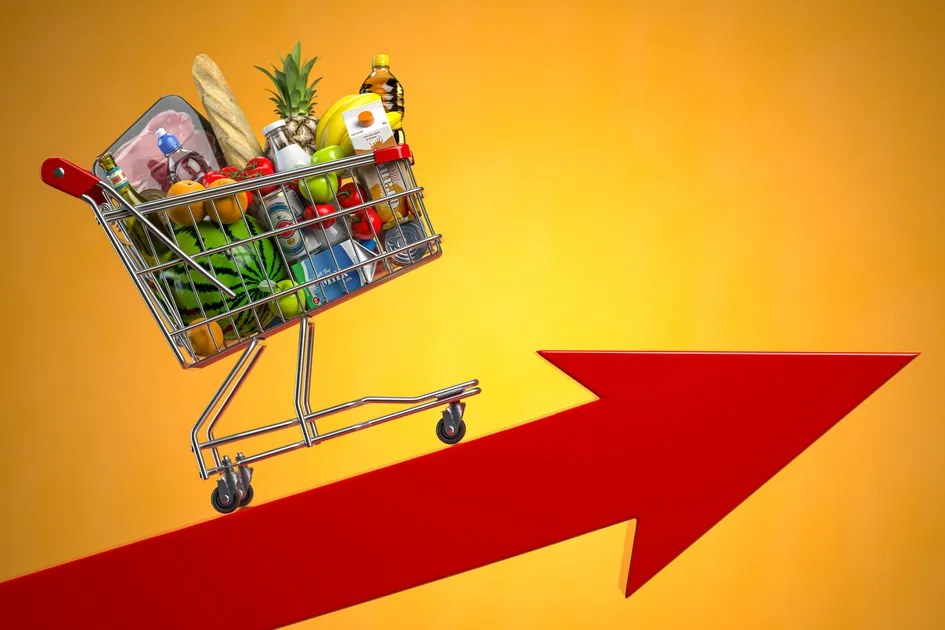
"We find that the prices of necessities relative to other goods continue rising for more than a year after the start of a typical episode, and remain persistently elevated," the IMF said in a blog post accompanying the new report. "As a result, people face not only a temporary spike in food and energy costs, but a lasting deterioration in the affordability of essentials relative to other items."
The research, drawn from an analytical chapter of the October 2026 World Economic Outlook (whose full report is due on October 13), examined three decades of data across 76 countries and the government strategies used to cushion the blows. Its message is blunt: supply shocks extend well beyond "a few months of higher inflation," reshaping living standards for years.
Why essentials keep getting more expensive
The report traces the latest crisis to a chain of overlapping shocks. Global commodity prices first stayed elevated after pandemic-era supply chain disruptions, then surged again after Russia's invasion of Ukraine in 2022, which snarled trade in food and energy. The US-Israel war on Iran, launched in February 2026, pushed energy and fertilizer prices sharply higher after the closure of a key Gulf supply route, the IMF noted.
The consequence, according to the fund's analysis: prices of necessities rise faster than other prices — and faster than wages. Households cannot simply cut back on essentials, so the squeeze persists long after headlines move on. Real wages fall and stay below their previous levels for an extended period.
The poorest pay the highest price
Lower-income households suffer disproportionately because food and energy account for a far larger share of their spending. The IMF's new economic model, which adjusts for the higher effective inflation experienced by poorer households, found a gap of 0.8 percentage points against the standard inflation measure — suggesting 23 million more people fell below the extreme poverty line between 2021 and 2024 than previously calculated.
"In a nutshell, cost-of-living crises … impact price stability, they reduce living standards and they worsen inequality," Reuters quoted Chiara Maggi, the IMF economist who co-led the research, as saying. The report also found that cost-of-living crises lift inflation expectations for years, complicating central banks' efforts to bring prices back under control.
Targeted aid beats broad subsidies
The fund drew on the data to judge how governments responded. It found targeted, temporary income transfers offer the most effective protection for vulnerable households while preserving fiscal resources. Consumer subsidies, by contrast, can require three to six times more public spending to deliver equivalent protection; producer subsidies cost 14 to 22 times more.
The inefficiency of broad measures was stark in Europe's 2022–23 energy crisis: less than 20 cents of each euro spent suppressing energy prices reached the poorest fifth of households, the IMF said. Broad subsidies also weaken incentives to conserve energy and can raise global prices when many countries deploy them at once.
The broader economic picture
The Iran war has pushed global inflation sharply higher, with the IMF upgrading its worldwide inflation forecast for 2026 to 4.7 percent, up from 4.1 percent the year before. The fund said last month that the global economy had weathered the energy shock caused by the Middle East war better than feared, and global output was still expected to expand by about 3 percent in 2026 — though risks remained high.
The report lands as central banks across the world resume raising interest rates to fight the new inflation wave, including the US Federal Reserve's first rate hike in three years — a turn covered in Chronicle's earlier reporting. Investors, meanwhile, are watching energy markets closely after renewed war fears rattled Wall Street and oil prices.
Frequently Asked Questions
What did the IMF warn about on October 6, 2026?
The IMF warned that price increases for necessities like food and energy — fueled by the wars in Ukraine and Iran — are more persistent than expected, producing a "lasting deterioration" in the affordability of essentials relative to other goods.
Who is hit hardest by cost-of-living crises?
Lower-income households suffer the most because food and energy make up a larger share of their spending. The IMF estimates 23 million more people fell below the extreme poverty line from 2021 to 2024 than standard inflation measures had captured.
What policy does the IMF recommend?
The IMF says targeted, temporary income transfers are the most effective protection. Broad consumer and producer subsidies cost far more to deliver the same relief, with less than 20 cents of each euro in Europe's 2022–23 energy support reaching the poorest fifth.
When is the full World Economic Outlook released?
The full October 2026 World Economic Outlook, with new figures for global growth and inflation forecasts, is due for release on October 13.