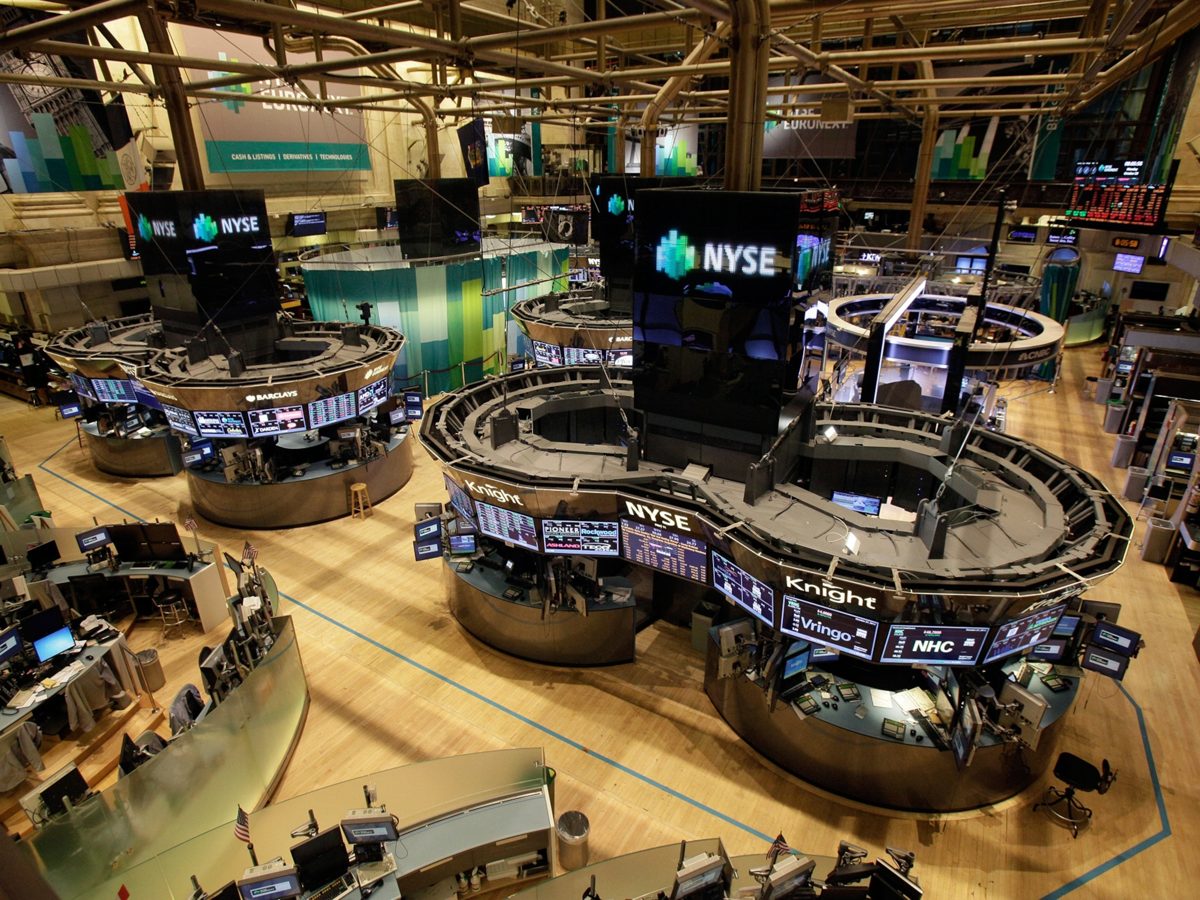
Wall Street slid on Wednesday after a volatile day for oil, as crude prices spiked on fresh warnings that Iran is stepping up attacks in the Strait of Hormuz, then reversed lower when member states of the International Energy Agency said they stood ready to release more strategic reserves, according to an AFP report.
The session capped a jittery few days for markets, in which geopolitics has once again seized control of the trading narrative from the AI-driven rally that had been pushing US indices to fresh highs.
A volatile session for crude
Oil prices rose for most of Wednesday's session on renewed concerns about Middle East supplies. The trigger was a warning that Iran appeared to be intensifying attacks on vessels in the Strait of Hormuz, the narrow waterway through which a large share of the world's seaborne oil passes.
The data behind the warning is stark. The UK's maritime trade operations said there had been nine attacks on vessels so far in October — already half of September's total for the waterway and the Gulf combined, as reported by The Street Journal.
Earlier in the week, markets had found some comfort in reports that oil exports from the Middle East — excluding Iran — were returning toward pre-war levels, a development that pushed global benchmark Brent crude below $100 a barrel and US benchmark WTI below $90, easing inflation fears. That calm lasted until figures showed Iran had again increased attacks on tankers transiting the strategic strait, sending both contracts rebounding sharply.
Wednesday's rally in crude eventually faded after IEA member states announced they were prepared to tap strategic stockpiles — a signal designed to cap panic buying and reassure consumers that supply can be backstopped if the conflict widens.
Stocks retreat as yields climb
Wall Street, which had been riding an AI-led advance — with chip giant Nvidia pushing toward a $6-trillion market value on Tuesday — lost momentum as oil's gyrations revived inflation fears. Bond yields on US government debt climbed to 24-year highs as investors worried that a prolonged conflict could keep price pressures elevated and interest rates higher for longer.
"The behavior of Treasury yields, in particular the upward trending move in Treasury yields has been a limiting factor of sorts for the broader market," Patrick O'Hare of Briefing.com told AFP.
The US Treasury on Wednesday auctioned $39 billion of 10-year notes at 5.3 percent, with market participation reported high — a sign that demand for safety remains intact even as investors price in geopolitical risk.
The broader conflict picture
The market turbulence is playing out against a backdrop of an intensifying regional conflict. Yemen's Houthi rebels also claimed an attack on Riyadh's main airport this week, while denying reports that government forces have pushed them back. Yemen's military said it had removed the Iran-backed group from areas around the Bab al-Mandeb Strait — another major energy chokepoint — and the port city of Mocha, according to The Street Journal.
Oil officials have warned that global stockpiles are running low, reducing governments' ability to withstand a prolonged crisis — precisely the cushion the IEA's reserves announcement was meant to address.
The developments underscore how tightly equities and energy markets have become bound together this year: crude and Wall Street futures have grown increasingly sensitive to the same macro forces, including the economic and inflationary impact of a war with no clear end.
What to watch
For markets, the near-term outlook hinges on two variables: whether Iran's campaign in the Strait of Hormuz continues to escalate, and whether physical supply disruptions follow the headline attacks. So far, the selloff has been driven by fear of disruption rather than confirmed lost barrels.
Investors will also be watching Thursday's data releases and any further signals from the IEA on the timing and scale of potential reserve releases. As the war grinds on, the market's message is clear: geopolitical risk is back at the center of the trading day.
Related reading: Rubio: Iran Has Lost Control of Hormuz as Economy Freefalls · Tanker Captains Offered $100,000 Bonuses to Sail Through Hormuz
Frequently Asked Questions
Why did US stocks fall on Wednesday, October 7?
US equities retreated as oil prices swung sharply on warnings that Iran is stepping up attacks on vessels in the Strait of Hormuz, reviving fears about inflation and higher interest rates. Rising Treasury yields, which hit 24-year highs, added to the pressure on stocks.
What did the IEA announce?
Member states of the International Energy Agency said they were ready to release more strategic oil reserves. The announcement helped crude prices give back their earlier gains by reassuring markets that supply can be supplemented if the conflict disrupts shipments.
How bad is the situation in the Strait of Hormuz?
The UK's maritime trade operations reported nine attacks on vessels in October so far — half of September's total — indicating a clear intensification of Iran's campaign against shipping in the strategic waterway through which a large share of global oil flows.