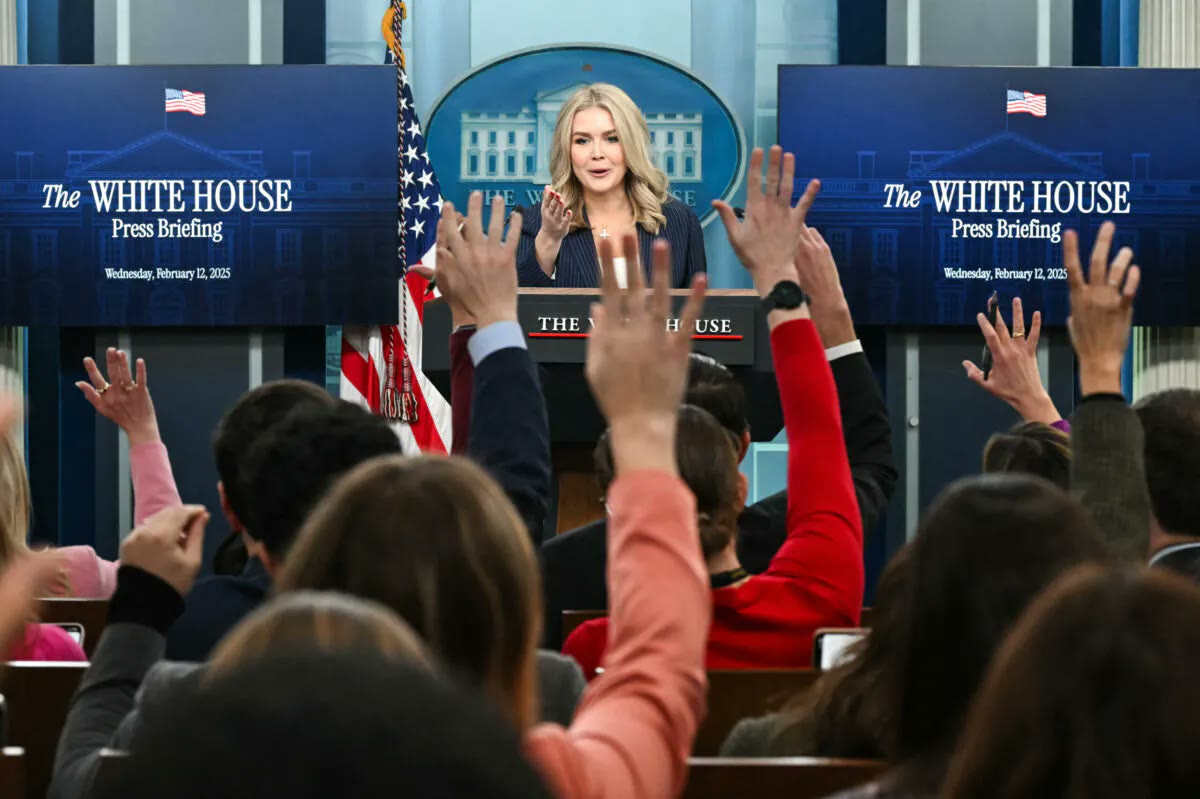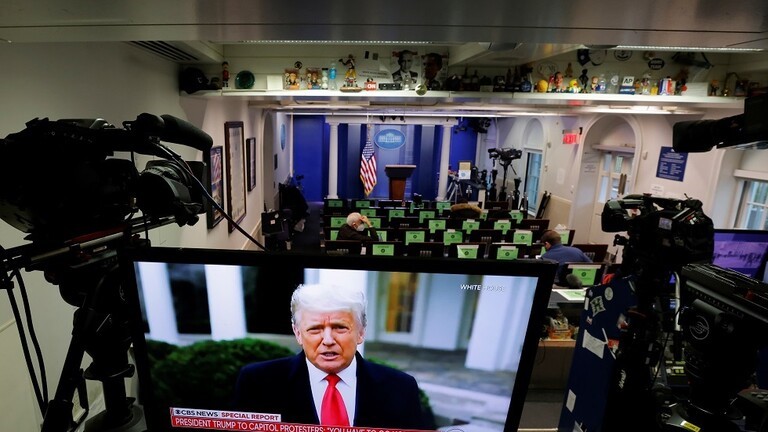
The US Department of Justice has opened an antitrust investigation into five major television networks over their decision to briefly suspend pooled White House coverage in solidarity with CNN, in what press-freedom advocates call a dramatic escalation of the Trump administration's battle with the media. Officials from the department contacted the networks on Friday and demanded communications and materials related to the White House television pool, according to The New York Times, which first reported the probe.
The investigation targets ABC, CBS, CNN, NBC and Fox News — the five networks that make up the White House television press pool, which takes turns recording the president's public appearances and sharing the footage with other news organisations.
Table of Contents
- What the Justice Department is investigating
- How the pool protest began
- The Sherman Act angle
- Press-freedom backlash
- A widening pattern
- Key takeaways
- Frequently Asked Questions
- Sources
- Related reading
What the Justice Department is investigating
Department spokeswoman Emily Covington said on Saturday that the five networks had "boycotted covering White House events," adding that "group boycotts among commercial competitors can violate the Sherman Act," according to Channel News Asia. "The Antitrust Division is simply investigating to determine whether these news organisations have violated the antitrust laws," she said.
Civil investigative demands were issued to the networks on Friday, seeking internal communications exchanged among network officials regarding pool operations, per reporting by Anews. ABC said it had not yet received a formal notice but expected one; NBC, CBS and CNN declined to comment, while Fox News did not respond.
How the pool protest began
The chain of events began in September, when the White House revoked the credentials of reporters from CNN, Politico and MS NOW, arguing that covering the president was a "privilege — not a right." President Trump said on September 18 that he was barring the outlets over coverage he described as unfair, and the affected organisations sued, arguing the move violated their constitutional rights.
In response, the television pool announced on September 21 that it would suspend participation, with the pool's chair saying the decision followed "the White House's position preventing CNN from fulfilling its assigned pool duties," according to USA Today. When CNN was removed from its scheduled pool assignment during Trump's trip to the United Nations General Assembly, the other networks declined to take its place — and during a visit by Chinese President Xi Jinping, Chinese state media and the White House's own video feed were among the few sources of footage. A federal judge temporarily blocked the media ban on September 24, ordering the White House to reinstate the outlets' press passes for two weeks; a final ruling is still pending.
The Sherman Act angle
Applying competition law to newsroom solidarity is a striking legal theory. The Sherman Act is designed to punish collusion among businesses — price fixing, market allocation and concerted boycotts of suppliers or customers. Legal observers note that treating journalists' collective refusal to provide pool coverage as a commercial "group boycott" could, if pursued aggressively, put financial and legal pressure on news organisations to keep covering the president even when they object to how the White House treats them. Reuters, reporting on the probe, noted the action raises the prospect that editorial decisions about how to cover the White House could themselves become the subject of antitrust enforcement.
Press-freedom backlash
Press advocates reacted sharply. Bruce D. Brown, president of the Reporters Committee for Freedom of the Press, said the Justice Department probe "appears to be a pretext for seeking records from the networks about how they are covering daily White House events during a media ban the president himself put in place," according to Channel News Asia. Critics argue the investigation turns the logic of the dispute on its head: the networks paused coverage only after the White House itself barred CNN from fulfilling its pool duties.
A widening pattern
The probe fits a broader pattern of the administration using the levers of government against media outlets it views as hostile. In recent weeks the Justice Department has subpoenaed reporters from The New York Times and seized a laptop from a Washington Post journalist, according to the Straits Times. Trump has long attacked critical outlets as "fake news" and the "enemy of the people," and the latest move pushes that confrontation into territory where editorial decisions meet federal competition law.
Key takeaways
- The DOJ's Antitrust Division is investigating ABC, CBS, CNN, NBC and Fox News over a brief suspension of White House pool coverage in September.
- The suspension came in solidarity with CNN after the White House barred CNN, Politico and MS NOW over coverage Trump disliked.
- The department cites the Sherman Act, arguing that "group boycotts among commercial competitors" can violate antitrust law.
- Press-freedom advocates call the probe a pretext to obtain newsroom records and pressure coverage of the president.
Frequently Asked Questions
Which networks is the Justice Department investigating?
The probe covers the five networks that make up the White House television pool: ABC, CBS, CNN, NBC and Fox News. They take turns recording the president's public engagements and sharing footage with other outlets.
What prompted the networks to suspend pool coverage?
The White House barred CNN, Politico and MS NOW in September, revoking their credentials over coverage President Trump described as unfair. When CNN was removed from its assigned pool duties, the other networks declined to take its place in solidarity.
What is the Sherman Act argument?
The Justice Department argues that the networks' coordinated suspension amounts to a "group boycott among commercial competitors," which the Sherman Act can prohibit. Critics say the theory stretches competition law to cover editorial protest.
Has this kind of investigation happened before?
An antitrust probe aimed at news organisations' collective coverage decisions is highly unusual, and press advocates describe it as a profound escalation of the administration's ongoing clashes with the White House press corps.
What happens next?
The networks have received or are expecting civil investigative demands for internal communications. A federal judge's temporary order reinstating the barred outlets' press passes remains in effect while a final decision is pending.
Sources
- Channel News Asia — US Justice Department probes TV networks over pool coverage
- The New York Times — first report on the probe
- USA Today — DOJ launches antitrust probe of TV networks
- Reuters via WIXX — Justice Department probes TV networks