Twelve people were killed and 309 wounded on Saturday when a missile struck a passenger terminal at King Khalid International Airport in Riyadh, in the deadliest attack on Saudi soil in more than a decade. The Saudi-led coalition blamed Yemen's Iran-backed Houthis for the assault, calling it a "full-fledged war crime" and vowing a decisive military response — a pledge that President Donald Trump suggested Washington might join, raising fears of a sharply wider escalation.
Table of Contents
- The deadliest strike in over a decade
- Casualties: pilgrims and foreign nationals among the dead
- Saudi coalition: "full-fledged war crime"
- Trump signals US may join retaliation
- Iran warns its response would "differ"
- Disruption ripples through the kingdom
- Why the attack happened now
- Frequently Asked Questions
The deadliest strike in over a decade
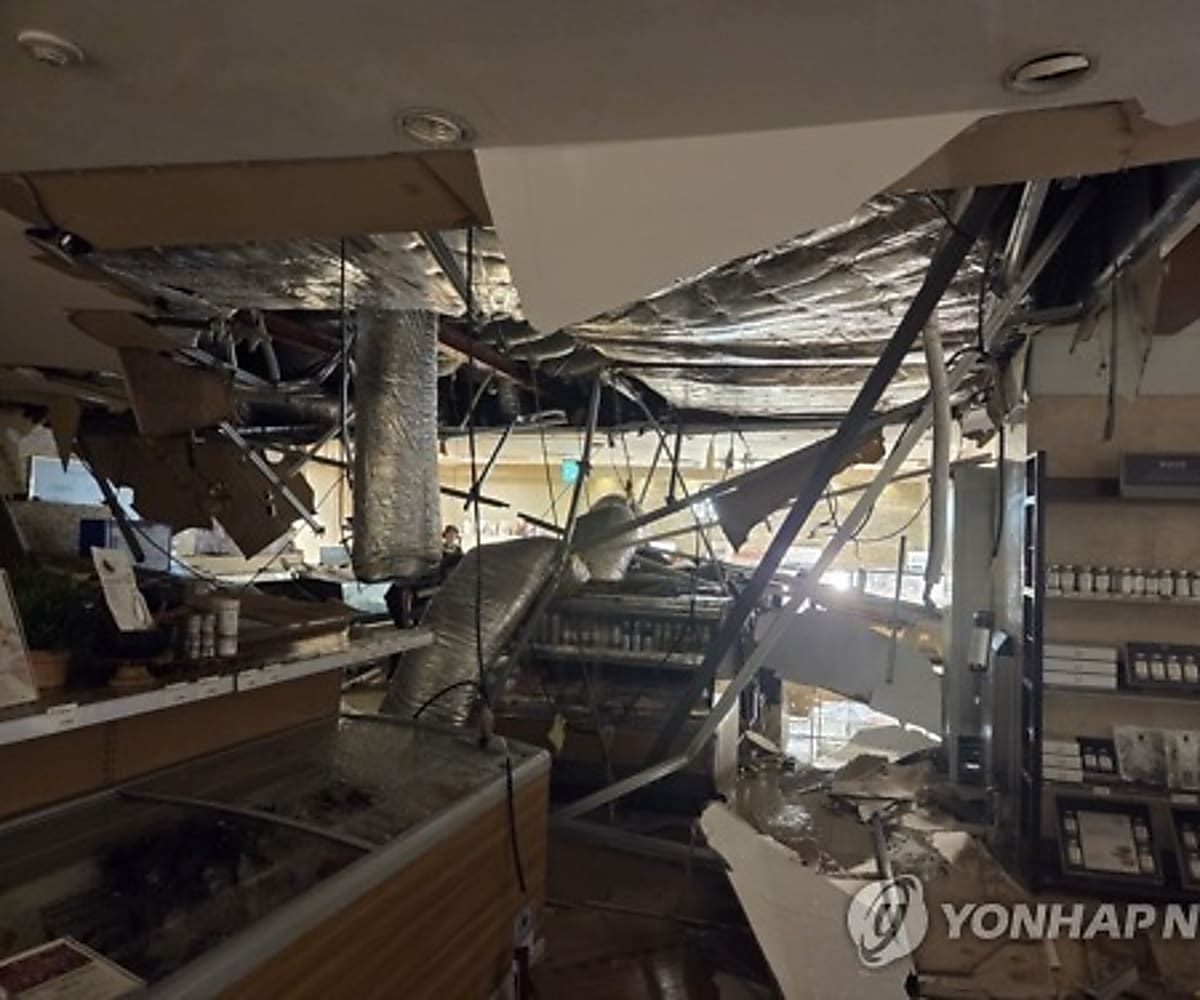
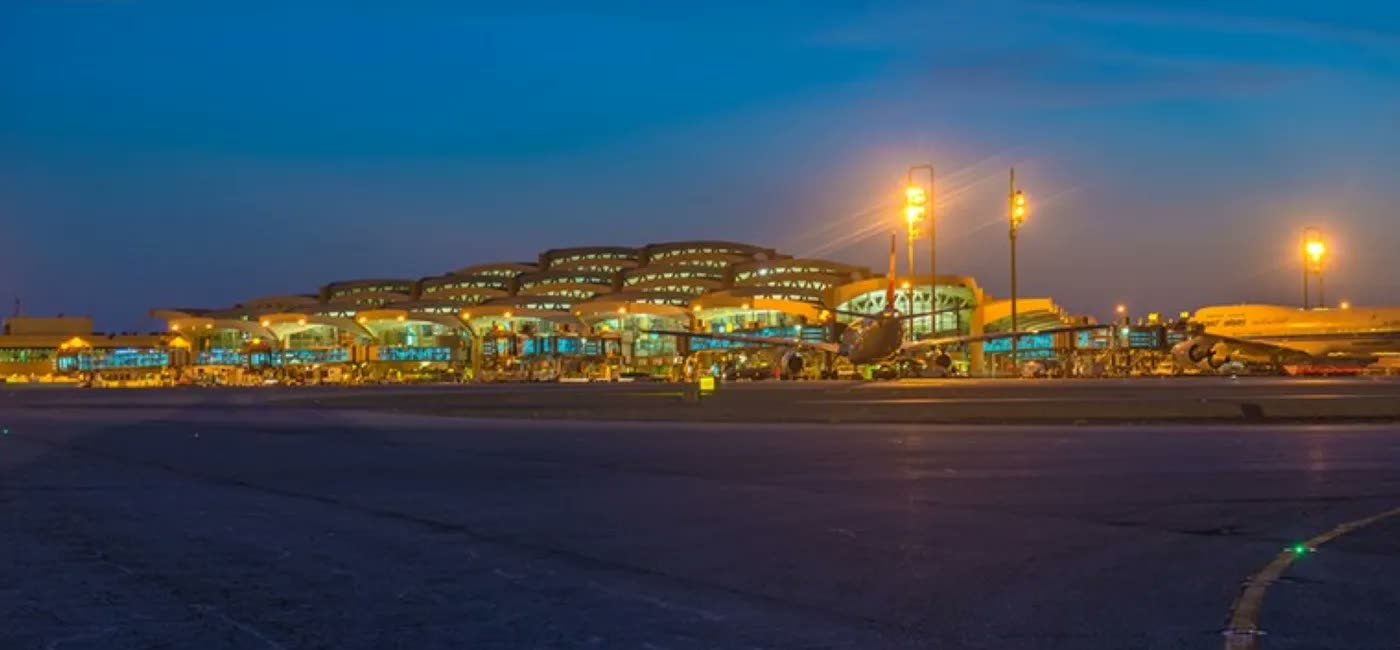
The strike hit the airport complex housing Terminals 3 and 4, which serve domestic flights, according to reports citing officials and flight-tracking data. The impact was devastating: parts of a terminal roof collapsed onto people inside, and more than a dozen ambulances and helicopters ferried the wounded to hospitals across the capital. One passenger told AFP he watched a strike hit the domestic terminal from gate 403: "I saw 401 hit, I saw injured in front of my eyes. Everyone was running."
Saudi Arabia's General Authority of Civil Aviation (GACA) confirmed the toll early Sunday. A diplomatic source attributed the attack to a missile, though the Houthis had not immediately claimed responsibility for this specific strike — even as the group has claimed earlier attacks on Saudi airports this week.
Casualties: pilgrims and foreign nationals among the dead
The victims reflected the international character of air travel. GACA said four Saudi citizens were among the 12 dead, along with two Bangladeshis and one citizen each from the United States, Egypt, Jordan, Syria, Palestine and Sudan. Some of the 309 wounded remained in serious condition.
Health officials took the unusual step of issuing a mass call-up of doctors across Riyadh to deal with what one medical source described as a "serious emergency situation." Two doctors told AFP that several pilgrims travelling to Mecca were among the wounded. Foreign embassies, including those of the United States, Canada and Germany, warned their citizens to avoid the airport.
Saudi coalition: "full-fledged war crime"
Coalition spokesman Major General Turki al-Malki condemned the attack on the civilian facility in a statement posted on X. "The cowardly terrorist attack by the Terrorist Houthi Militia… which resulted in deaths and injuries among civilian passengers and airport staff, constitutes a full-fledged war crime," he said. He added that the coalition's Joint Forces Command would respond firmly and decisively, in accordance with international humanitarian law and the rules of war.
Earlier this week, Saudi authorities reported a separate wave of Houthi attacks on airports in Riyadh and Abha that killed three people. Saturday's strike, with four times that death toll in a single blow, marks a dramatic escalation.
Trump signals US may join retaliation
President Donald Trump condemned the attack as "not acceptable" and said the United States was considering joining Saudi strikes against the Houthis. Trump said he would speak with Crown Prince Mohammed bin Salman, and Secretary of State Marco Rubio said Washington stands with Saudi Arabia.
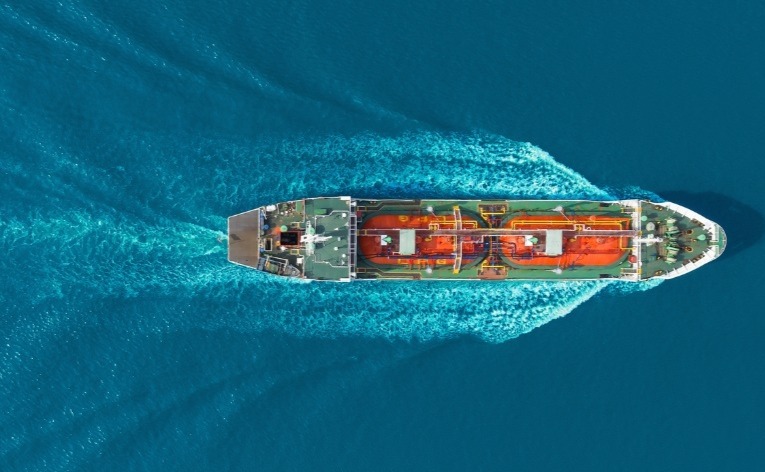
The prospect of American firepower joining the retaliation significantly raises the stakes. The region is already gripped by the wider Iran war, in which the United States has struck Iranian-linked targets across the Gulf and shipping lanes — including a tanker near the Strait of Hormuz — sending oil prices surging.
Iran warns its response would "differ"
Iran responded with its own warning. Deputy Foreign Minister Kazem Gharibabadi said during a visit to Hormozgan province on Sunday that Iran's response to any new military action would "differ" from its previous ones. "Our response in the 40-day war was different from the 12-day war, and we hope our adversaries will show some rationality," he said, describing the Strait of Hormuz as an Iranian waterway and saying Tehran would use it as leverage against its adversaries.
Disruption ripples through the kingdom
The airport suspended all operations after the strike while authorities assessed damage, and flight-tracking data showed arrivals cancelled or delayed across the board, with at least one inbound flight diverted to Dammam. Kuwait Airways cancelled two flights to and from Riyadh on Sunday.
The disruption extended beyond aviation. Schools in Riyadh switched to remote learning for the entire week, on orders from the education ministry — the second such closure in a month.
Why the attack happened now
The strike is part of an unprecedented wave of Houthi attacks on the kingdom since a truce in the group's long-running war with Yemen's Riyadh-backed government unravelled in July. The Houthis have renewed threats against Saudi airports even as the coalition launched retaliatory strikes across Yemen. The collapse of the truce has pulled the kingdom — and, through the wider Iran war, the region — toward its most dangerous confrontation in years.
Sources: AFP via The Japan Times | Gulf News | The Hindu Morning Digest
Frequently Asked Questions
How many people were killed and wounded in the Riyadh airport strike?
Twelve people were killed and 309 wounded when a missile hit a passenger terminal at King Khalid International Airport on Saturday, October 10. Saudi civil aviation authorities confirmed the toll early Sunday, with several of the wounded in serious condition.
Who did Saudi Arabia blame for the attack?
The Saudi-led coalition blamed Yemen's Iran-backed Houthi rebels, describing the strike as a "full-fledged war crime" and vowing a decisive response. The Houthis had not immediately claimed responsibility for this specific attack, though the group has claimed earlier strikes on Saudi airports this week.
What did President Trump say about the attack?
Trump called the attack "not acceptable," said he would speak with Crown Prince Mohammed bin Salman, and indicated the US military was considering joining Saudi strikes against the Houthis — a prospect that raises fears of wider regional escalation.
How has the attack affected travel and daily life in Riyadh?
The airport suspended operations, airlines including Kuwait Airways cancelled flights, foreign embassies warned citizens to avoid the facility, and schools across Riyadh switched to remote learning for the entire week.