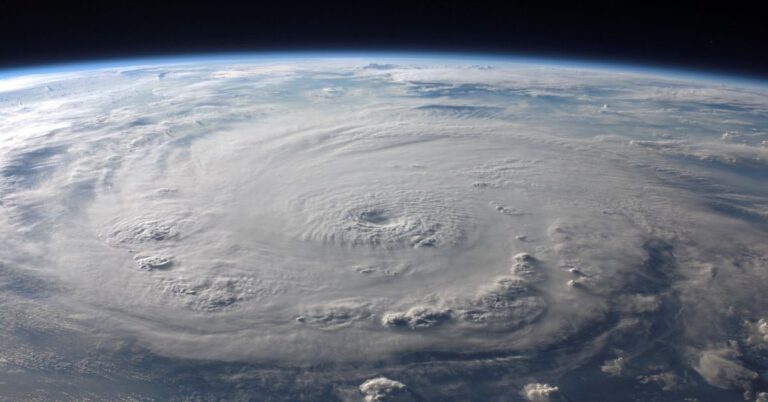
Hurricane Isaias made landfall near Destin, Florida, late Friday as a Category 2 hurricane with winds near 105 mph, killing at least four people and leaving nearly 670,000 homes and businesses without power across Florida, Alabama, Georgia and Mississippi. The storm, the first to hit the United States in two years, weakened into a post-tropical cyclone as it tracked northeast through Alabama on Saturday, but forecasters warned that flash flooding, storm surge and isolated tornadoes remained a threat across the Southeast.
Table of contents
- A deadly landfall after a quiet season
- The human cost: four deaths, two from falling trees
- Power grid hammered across four states
- Response and recovery
- What comes next for the storm
- Frequently Asked Questions
A deadly landfall after a quiet season
Isaias came ashore late Friday evening near Destin on Florida's Panhandle, packing sustained winds of about 105 mph. Before weakening, it had peaked as a major Category 3 system over the Gulf of Mexico — a track that, days earlier, had already forced Shell, Chevron and BP to evacuate workers from offshore platforms in the Gulf. The storm's landfall ended a two-year drought of U.S. hurricane landfalls: the most recent before it was Hurricane Milton, which struck in October 2024 — two years to the day before Isaias came ashore, according to USA Today.
The 2026 Atlantic season had been unusually quiet until Isaias became the year's first named hurricane only days ago — a development covered by Chronicle as the storm intensified over the Atlantic. That slow start meant the region's emergency plans were tested almost overnight.
The human cost: four deaths, two from falling trees
Authorities confirmed at least four deaths by Saturday afternoon — two in Florida and two in Alabama, according to local officials cited by CNA. At least two of the victims were killed when trees fell on homes, underscoring the storm's most lethal hazard even in communities far from the eyewall.
In Alabama, Houston County closed all roads until further notice after fallen trees and downed power lines made travel hazardous, with the area under a flash-flood warning, emergency officials said.
Power grid hammered across four states
Utility tracking data from PowerOutage.us showed about 670,000 customers without power as of midday Saturday — roughly 420,000 in Florida, 190,000 in Alabama, 43,000 in Georgia and 17,000 in Mississippi. In Florida's hardest-hit counties, Escambia County still had nearly 123,000 customers in the dark by Saturday evening, with tens of thousands more in Santa Rosa and Okaloosa counties, according to figures reported by USA Today.
Florida Power & Light said it expected to restore 95% of affected customers who could safely accept power by end of day Monday, October 12.
Response and recovery
Florida Governor Ron DeSantis said authorities had received no search-and-rescue requests in the hours after landfall, suggesting the initial impact was more limited than feared. "They're going to make assessments this morning, and I think that'll give us a good sense about the future for the rapidity of the power restoration," DeSantis told a press conference in Tallahassee. Some 16,000 utility linemen had been staged in advance to respond, he added.
Highways, bridges and airports began reopening Saturday while damage-assessment teams moved through coastal communities. But officials cautioned that recovery remained fragile: storm surge, flash flooding, damaging winds and tornadoes were still forecast across parts of the Florida Panhandle, Georgia and the Carolinas, the National Hurricane Center warned.
What comes next for the storm
By Saturday afternoon the storm had been downgraded to a post-tropical cyclone, its center drifting over central Alabama near Birmingham at about 15 mph, heading toward the Tennessee Valley before a forecast northeastward turn, the National Weather Service said. Winds continue to weaken, but the system's vast moisture field is expected to keep dumping heavy rain — some Panhandle locations recorded more than seven inches — raising the risk of flash flooding well inland.
Meanwhile, a separate Pacific system, Tropical Storm Rachel, was moving toward the northern coast of Baja California on Saturday, knocking out power to another 7,000 people in California — a reminder that, quiet season or not, October is still the peak of tropical cyclone season.
Frequently Asked Questions
Where did Hurricane Isaias make landfall?
Isaias came ashore near Destin, on Florida's Panhandle, late on Friday, October 9, 2026, as a Category 2 hurricane with sustained winds near 105 mph.
How many people were killed?
At least four people were confirmed dead by Saturday — two in Florida and two in Alabama — including victims killed by falling trees, according to local authorities.
How widespread are the power outages?
About 670,000 customers were without power across Florida, Alabama, Georgia and Mississippi as of midday Saturday, according to PowerOutage.us data reported by CNA. Florida Power & Light expects 95% of affected customers to be restored by Monday evening.
Was this the first hurricane of the 2026 season?
Yes. Isaias became the first hurricane of an unusually quiet 2026 Atlantic season, and its landfall ended a two-year U.S. hurricane landfall drought dating to Hurricane Milton in October 2024.
What hazards remain as the storm weakens?
The National Hurricane Center warned of ongoing storm surge, flash flooding, damaging winds and the risk of tornadoes across the Southeast, including the Florida Panhandle, Georgia and the Carolinas, even as the storm degrades to a post-tropical cyclone.
Sources: CNA via Reuters, USA Today, CGTN