Shell, Chevron and BP have begun evacuating nonessential personnel from offshore platforms in the Gulf of Mexico as Tropical Storm Isaias strengthens toward what could become the first hurricane of an unusually quiet 2026 Atlantic season. The storm is expected to make landfall on the northern Gulf Coast — somewhere between Louisiana and Florida's Big Bend — late Friday or early Saturday, potentially as a Category 2 hurricane.
A rush of precautionary evacuations
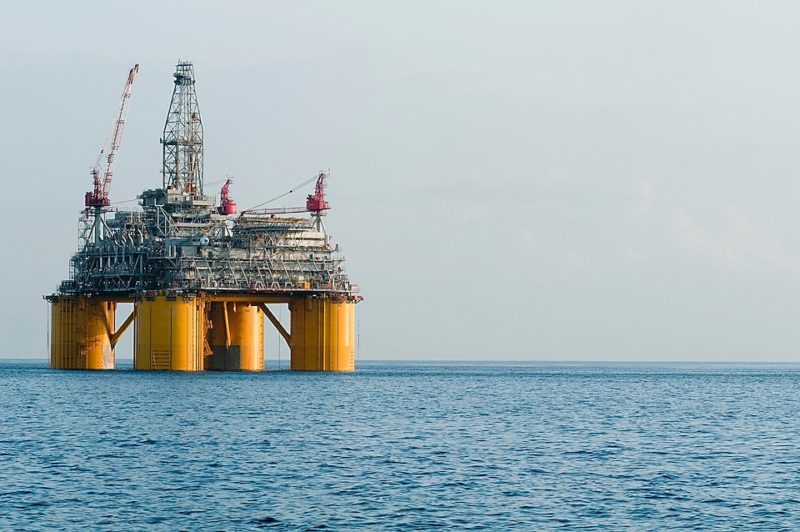
Shell said on Tuesday that it was evacuating nonessential workers from six of its northern Gulf assets: Stones, Mars, Olympus, Ursa, Vito and Appomattox — some of the region's flagship deep-water production facilities. Chevron is evacuating nonessential personnel from all of its Gulf platforms while keeping production running normally, and BP is removing nonessential workers and securing its offshore facilities, according to reports citing the companies.
The US Bureau of Safety and Environmental Enforcement (BSEE) activated its Hurricane Response Team and reported that, as of Wednesday morning, personnel had been evacuated from six production platforms and one non-dynamically positioned rig, with five dynamic-positioning rigs moved off location out of the storm's path.
Table of contents
- Why Isaias is gathering strength
- Energy markets jittery as refineries sit in the storm's path
- How oil companies shut down safely
- An unusually quiet season — and a late first hurricane
- Key takeaways
- Frequently Asked Questions
- Sources
- Related reading
Why Isaias is gathering strength
Isaias is packing sustained winds of around 45 mph, sitting more than 500 miles south-southwest of southeast Louisiana, according to CNN's meteorologists. The storm is expected to push east over Mexico's Yucatán Peninsula, then turn sharply toward the northern Gulf Coast while undergoing rapid intensification — a process where sustained winds climb by at least 35 mph in 24 hours, a phenomenon becoming more common as ocean waters warm.
Forecasters say Isaias could peak as a Category 2 storm with winds of up to 110 mph by Thursday night before weakening slightly ahead of landfall. A hurricane watch is already in effect for the coasts of Alabama, Mississippi and the western Florida Panhandle, and Florida's governor has declared a state of emergency in 25 counties.
Energy markets jittery as refineries sit in the storm's path
The timing is delicate for energy markets. Gulf of Mexico platforms account for roughly 15% of US crude oil production and 5% of natural gas output, and the Gulf Coast refineries clustered along the storm's possible track represent about half of total US refining capacity — 14.1 million barrels a day, per OilPrice.com's coverage.
"This is an unwelcome complication for crude," KCM Trade chief analyst Tim Waterer told Reuters, warning of production and refining disruptions at a moment when markets are already wrestling with supply-side strains. Brent crude has pushed back above $101 a barrel, with storm-related supply risks cited as a key driver alongside a broader tightening in global fuel supply.
Analysts note that if Isaias follows forecasts, as many as six Gulf Coast refineries could be affected — a prospect that matters acutely amid what Shell described this week as a global fuel crunch that has nearly doubled its indicative refining margins.
How oil companies shut down safely
The evacuation procedure is a well-drilled routine. Before personnel leave, crews shut in production by closing subsurface safety valves located below the ocean floor, a step that can often be completed remotely. In previous hurricane seasons those valves worked flawlessly, preventing any release of oil or gas into the marine environment, according to BSEE. Once the storm passes and facilities are inspected, production is brought back online — a process that can take days to weeks depending on damage.
An unusually quiet season — and a late first hurricane
Remarkably, Isaias would be the first hurricane of the 2026 Atlantic season — an anomaly driven by a strong El Niño that has suppressed tropical activity all year. If the first hurricane forms this late, it would be the latest such first formation since October 8, 1905. NOAA's below-normal season forecast has proved correct so far, but the warm waters of the Gulf remain potent fuel, and forecasters caution that even storms that never reach hurricane strength can cause severe flooding.
Heavy rainfall is expected to be a major concern regardless: projections call for 3 to 6 inches across southern Louisiana, Mississippi, Alabama and the Florida Panhandle, with localized totals up to 10 inches. In the eastern Caribbean, a precursor tropical wave has already shuttered schools in St. Vincent and the Grenadines after flooding and landslides blocked roads and damaged homes.
Key takeaways
- Shell, Chevron and BP are evacuating nonessential staff from Gulf of Mexico platforms ahead of Tropical Storm Isaias.
- The storm could become the season's first hurricane — and the latest first-hurricane formation in over a century — making landfall Friday or Saturday.
- Gulf Coast refineries represent half of US refining capacity, so any closures would land amid an already tight global fuel market.
- BSEE is monitoring; six platforms evacuated so far with standard shut-in procedures protecting against spills.
Frequently Asked Questions
Which platforms is Shell evacuating?
Shell said it is evacuating nonessential workers from six northern Gulf assets: Stones, Mars, Olympus, Ursa, Vito and Appomattox. Production at these facilities had not been shut in at the time of the announcement.
Where and when will Isaias make landfall?
Forecasts point to landfall on the northern Gulf Coast — between Louisiana and Florida's Big Bend — late Friday or early Saturday, potentially as a Category 2 hurricane. The exact track and intensity at landfall are still uncertain, and anyone along the coast from Louisiana to Florida's Big Bend should prepare.
How much US oil production is at risk?
Gulf of Mexico platforms account for about 15% of US crude oil production and 5% of natural gas output. Separately, Gulf Coast refineries represent roughly half of total US refining capacity, so the storm threatens both upstream production and downstream refining.
Why has the 2026 hurricane season been so quiet?
A strong El Niño has suppressed tropical cyclone formation across the Atlantic this year, making 2026 one of the quietest seasons in modern records. However, the warm waters of the Gulf of Mexico remain ideal fuel for late-season storms.
Sources
- CNN / LA Post — Tropical Storm Isaias to threaten Gulf Coast as a dangerous hurricane
- OilPrice.com — Chevron, Shell and BP Pull Workers From the Gulf Ahead of Hurricane
- Economic Times — Hurricane in Gulf: Tropical Depression 9 to become first Atlantic hurricane storm of 2026
- MarineLink — Gulf of Mexico operators evacuating ahead of storm