Mexican elite forces captured one of the FBI's Ten Most Wanted Fugitives on Friday night, arresting alleged drug lord Fausto Isidro Meza-Flores — known as "El Chapo Isidro" — in the Sinaloa city of Guasave, in an operation that triggered hours of gun battles, roadblocks and burning vehicles and sent baseball fans scrambling for cover. Mexico's defence ministry said the raid was carried out with help from the United States, and that Meza-Flores was flown to Mexico City after his arrest. He now awaits likely extradition to face drug-trafficking charges in the US.
The capture is one of the most significant blows against organised crime in Mexico this year. Meza-Flores, the alleged leader of the Guasave-based Meza-Flores criminal organisation — also known as Los Mazatlecos — had a $5 million FBI reward on his head and is accused of flooding the United States with heroin, methamphetamine, cocaine, fentanyl and marijuana.
A raid carried out in "stealth and surprise"
Mexico's defence ministry said the operation was conducted by "elite military forces" using "stealth and surprise" to reach their target, with the army, National Guard special forces and US intelligence agencies involved. Two of Meza-Flores's associates were captured alongside him: his alleged second-in-command, identified only as Germán N, known as "Serafín", and the organisation's alleged financial operator, José N.
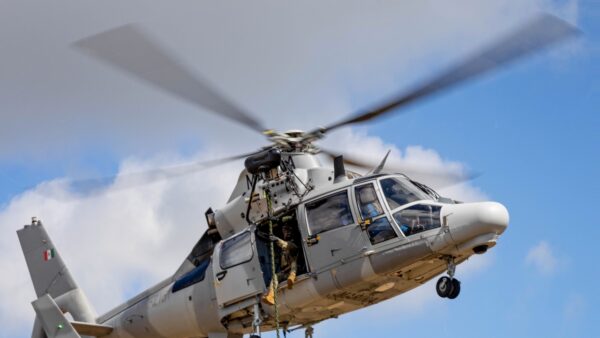
Video released by the defence ministry showed the three handcuffed men being escorted by armed guards into a building after their capture. Other footage circulating on social media showed Mexican military helicopters — UH-60 Black Hawks — circling over Guasave and firing rapidly at the ground, and an exchange of gunfire between cartel gunmen travelling in a truck and the helicopters.
The operation met fierce armed resistance. The Sinaloa Public Security Secretariat said federal personnel came under attack in Guasave on Friday and that an interagency group had been deployed to restore order. Local media reported roadblocks across the area, vehicles set on fire, and armed men taking control of private hospitals. One local resident told CNN that a convoy of heavily armed civilians had passed metres from his location, firing their weapons. Sinaloa's interim governor, Graciela Domínguez, urged residents to take precautions while federal forces worked in the north-central part of the state.
The night the game stopped
The violence spilled into one of the most ordinary settings imaginable: a professional baseball game. The match between the Venados de Mazatlán and the Algodoneros de Guasave at Kuroda Park in Guasave was under way when gunfire rang out. Players abandoned the field and fans rushed out of the stands seeking cover. The Mexican Pacific League said the violent incidents did not occur in the immediate vicinity of the stadium, but the images of a stadium emptying in panic travelled around the world within hours.
The episode underlined how deeply cartel violence has penetrated daily life in Sinaloa, a state that has lived through years of factional warfare inside the Sinaloa cartel. The state has seen repeated spasms of violence, including deadly clashes inside its prisons, as rival groups fight for territory and trafficking routes. Read more on the state's recent violence in our report on the deadly prison clash in Mazatlán.
Who is "El Chapo Isidro"?
Meza-Flores is a veteran of Mexico's drug wars whose career stretches back to the era of the Beltrán Leyva organisation. Mexico's defence ministry described him as the head of the "Beltrán Leyva" criminal organisation and an ally of the "Cártel del Pacífico". His nickname — "El Chapo Isidro", or "Shorty Isidro" — echoes that of Joaquín "El Chapo" Guzmán, the former Sinaloa cartel leader now serving a prison sentence in the United States.
The FBI sought Meza-Flores for multiple counts of drug-trafficking violations and the use and possession of a firearm, accusing him of orchestrating the large-scale trafficking of heroin, methamphetamine, cocaine, fentanyl and marijuana into the United States. The agency had offered a reward of up to $5 million for information leading to his arrest or conviction.
His Guasave-based organisation, Los Mazatlecos, grew out of the fragmentation of the old Beltrán Leyva cartel, which split from the Sinaloa cartel in a bloody rupture in 2008. That history matters: the capture removes a figure who operated at the intersection of the old cartel order and the newer, more fragmented groups fighting over Sinaloa today.
What happens next: extradition and the US-Mexico bargain
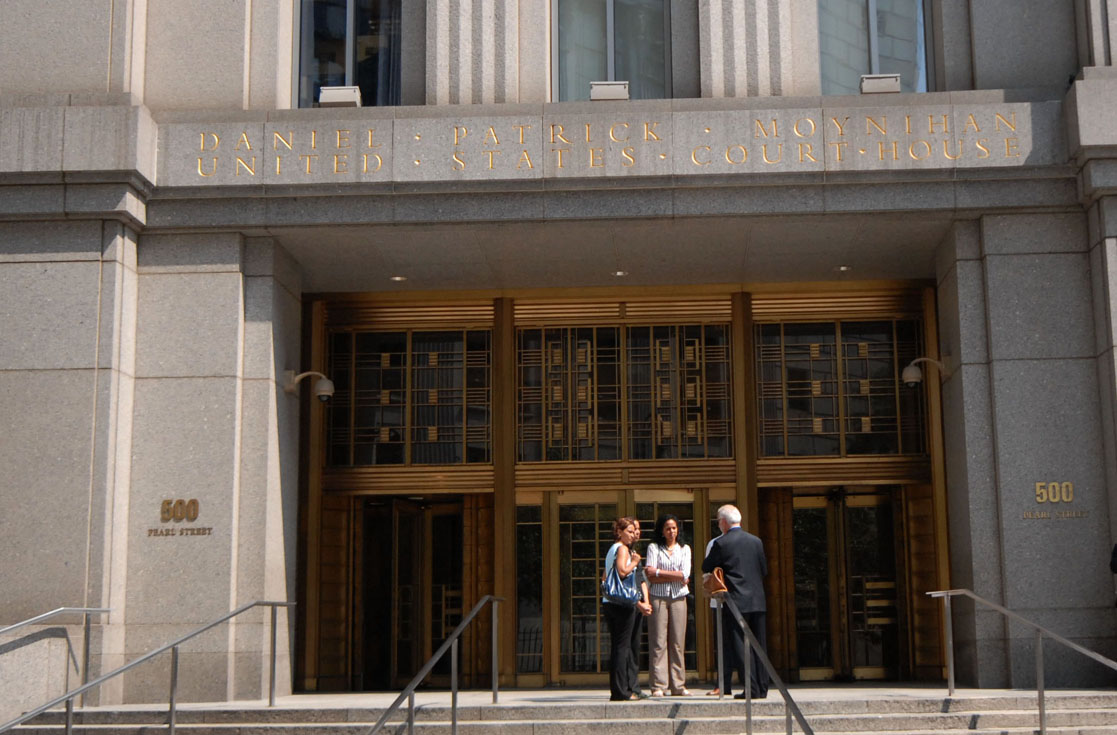
Meza-Flores now faces likely extradition to the United States, where he would stand trial on the trafficking and firearms charges behind the FBI warrant. The New York Post reported that he awaits extradition, a process that in recent high-profile cases has moved quickly once Mexican courts approve it.
The joint nature of the operation is also significant. The raid was carried out with US intelligence support, at a moment when Washington has sharply increased pressure on Mexico over fentanyl trafficking — including the deployment of hundreds of US troops to Latin America for a counter-cartel campaign, as we reported earlier in the US counter-cartel deployment. For Mexico's government, the capture is a concrete result to show Washington; for the United States, it is a test of whether that cooperation can reach the top of the trafficking networks.
A capture, not a conclusion
It is worth keeping the scale of the achievement in perspective. Mexican authorities have captured or killed many cartel leaders over the past two decades — including the founder of the Guadalajara cartel, whose death we reported in our obituary of Miguel Ángel Félix Gallardo — yet the trafficking networks have repeatedly regenerated, often splintering into more violent factions. The gun battles that followed Friday's raid are a reminder that in Sinaloa, removing a leader can also be the moment violence spikes.
Al Jazeera reported the capture on Saturday, while CNN noted that the arrest had not yet been independently confirmed by sources other than Mexican authorities — a caveat worth keeping in mind until US officials confirm the detention and the extradition request. What is not in doubt is the scale of the operation and the chaos it unleashed in Guasave: helicopters overhead, roads blocked, businesses burning, and a baseball stadium emptied by gunfire.
For the people of Guasave, the question now is whether the capture brings a measure of calm — or, as has happened before in Sinaloa, a new round of score-settling among the groups left behind.
Key takeaways
- Mexican elite forces captured FBI Most Wanted fugitive Fausto Isidro Meza-Flores, "El Chapo Isidro", in Guasave, Sinaloa, on Friday night, with US assistance.
- Two associates were also arrested: alleged second-in-command Germán N ("Serafín") and alleged financial operator José N.
- The raid triggered gun battles, roadblocks and burning vehicles, and interrupted a baseball game at Kuroda Park as fans fled for cover.
- The FBI had offered a $5 million reward; Meza-Flores is accused of trafficking heroin, methamphetamine, cocaine, fentanyl and marijuana into the US.
- He now awaits likely extradition to the United States to face drug-trafficking and firearms charges.
Frequently Asked Questions
Who is "El Chapo Isidro"?
Fausto Isidro Meza-Flores, known as "El Chapo Isidro", is the alleged leader of the Guasave-based Meza-Flores criminal organisation, also known as Los Mazatlecos. He was listed among the FBI's Ten Most Wanted Fugitives, with a $5 million reward offered for information leading to his arrest.
Where and when was he captured?
He was captured on Friday night, November 20, 2026, in the city of Guasave in the northwestern Mexican state of Sinaloa, in an operation by Mexican elite military forces carried out with US assistance. He was then taken to Mexico City.
Why did the arrest trigger gun battles?
Armed cartel gunmen attacked federal forces after the capture, setting up roadblocks and burning vehicles in Guasave. Military helicopters were filmed firing on suspected cartel members, and the violence disrupted a baseball game at Kuroda Park, where fans fled the stands.
What charges does he face in the United States?
US authorities accuse him of orchestrating large-scale trafficking of heroin, methamphetamine, cocaine, fentanyl and marijuana into the United States, as well as drug-trafficking violations and the use and possession of a firearm. He awaits likely extradition to face those charges.
Has the arrest been independently confirmed?
Mexico's defence ministry announced the capture, but as CNN noted, the arrest had not yet been independently confirmed by sources other than Mexican authorities at the time of reporting.