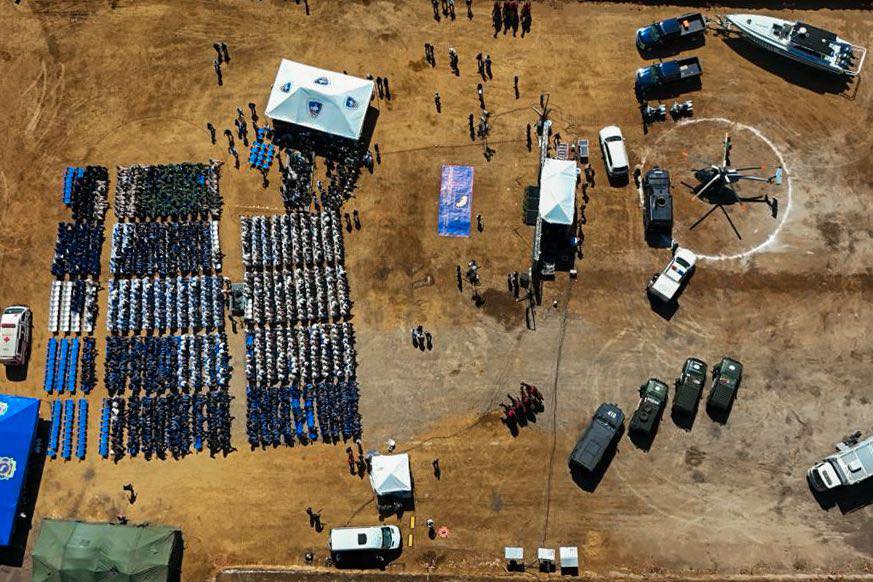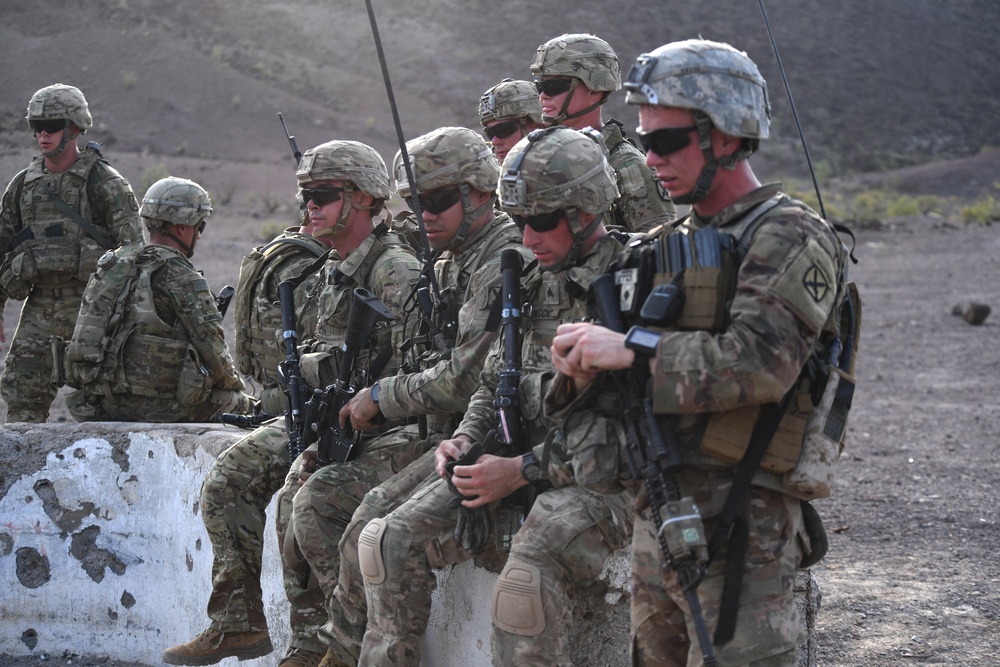
The Pentagon has begun deploying hundreds of US Army soldiers to Latin America for training and joint exercises with regional forces, the clearest sign yet that a military campaign against drug-trafficking networks — which has killed more than 235 people in dozens of strikes — may be moving onto land (Fox News).
The deployment, first reported by The New York Times, involves roughly 600 soldiers from the 10th Mountain Division based at Fort Drum, New York. The first elements are heading to a newly established jungle training facility in Panama before eventually training with local forces in Colombia and Honduras.
What the deployment involves
According to a senior US official who confirmed the move to Fox News, the troops are being forward-staged under US Southern Command (SOUTHCOM), which will determine where they are ultimately deployed. Beyond training, some soldiers could support US special operations personnel who are advising regional militaries conducting raids against suspected drug traffickers.
The mission goes beyond the battalion heading south. Several hundred more soldiers from the 10th Mountain Division are expected to help staff a new Western Hemisphere military command based in Miami, and the Pentagon has also moved MQ-9 Reaper drones from Africa to Colombia and Ecuador — the latest widening of the Defense Department's fight against trafficking networks in the region.
Defense Secretary Pete Hegseth has meanwhile established a dedicated Pentagon office to oversee the military's counter-cartel activities, underscoring how the campaign has grown from a series of strikes into a standing institutional operation (TRT World).
From strikes at sea to strikes on land?
The campaign itself is now more than a year old. US forces have conducted dozens of strikes against suspected drug-trafficking vessels, killing more than 235 people tied to the cartels — the latest strike killing four alleged "narco-terrorists" aboard a Caribbean vessel.
What is new is the land dimension. Gen. Francis Donovan, commander of SOUTHCOM, has said land operations are under active consideration. "Do I see land strikes as options? Yes. We want all options at the table," Donovan told The Wall Street Journal, adding that actions could include "strikes, arrests, or the takedown of a safe house." Adam Isacson, director for Defense Oversight at the Washington Office on Latin America, said he could not recall any deployment of US troops to the region "that ever came close to 600, except for contingencies like invasions or natural disasters" (dnyuz.com).
The consent question
The Trump administration has urged Latin American leaders to intensify military offensives against trafficking groups and permit joint operations with American forces. Hegseth said in August, during a visit to Panama, that Colombia, Guatemala and Honduras had agreed to allow joint operations against criminal groups — but Guatemala has denied reaching any such agreement, meaning Washington has announced a partner's permission that one of the named governments says it never gave (Eastern Herald).
The dispute matters because ground operations require host-nation consent. Colombia and Honduras are among the countries that have officially agreed to allow joint operations within their borders, and a US-led coalition against trafficking reportedly counts 19 regional partners.
Why it matters
Deploying a full battalion of conventional Army troops — alongside special operations advisers, Reaper drones, a new regional command and a purpose-built Pentagon oversight office — is a structural escalation. The campaign is no longer just about interdicting boats; it is being positioned as a sustained, institutionalised effort that could reshape how the United States projects military power in the Western Hemisphere.
Critics have already raised questions about the legality of the strike campaign and the risk of mission creep: what begins as "training and advising" can evolve, as US officials themselves acknowledged, into an "enduring" regional presence. Supporters argue that cartels have outgunned regional forces for decades and that only US-backed operations can impose "total systemic friction" on the networks flooding American streets with drugs.
Frequently Asked Questions
How many US troops are being deployed to Latin America?
About 600 soldiers from a battalion of the 10th Mountain Division, based at Fort Drum, New York, have begun deploying to Panama, with training missions in Colombia and Honduras to follow. Several hundred more division personnel are expected to staff a new Western Hemisphere operations command in Miami.
Which countries are involved in the deployment?
The troops will first occupy a new jungle training facility in Panama, then train with local forces in Colombia and Honduras, and may support US special operations personnel advising regional militaries on counter-trafficking raids.
Has the US carried out land strikes against cartels yet?
No confirmed land strikes have been reported. So far the campaign has consisted of strikes against suspected trafficking vessels. SOUTHCOM commander Gen. Francis Donovan has said land strikes are among the options under consideration.
Why is the deployment controversial?
Experts note it is one of the largest US troop deployments to Latin America in recent memory outside of disasters or invasions. There are also disputes over consent: Guatemala denies it agreed to joint operations that Defense Secretary Hegseth said it had approved.
How does this relate to US policy toward Venezuela?
The counter-cartel campaign runs parallel to a broader US confrontation with the region's criminal networks. Washington continues to press Nicolás Maduro and his circle over what US authorities describe as a state-linked narco-terrorism enterprise, with Maduro facing torture charges in a New York court.