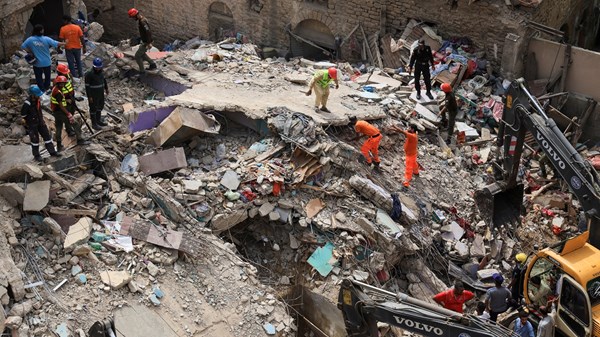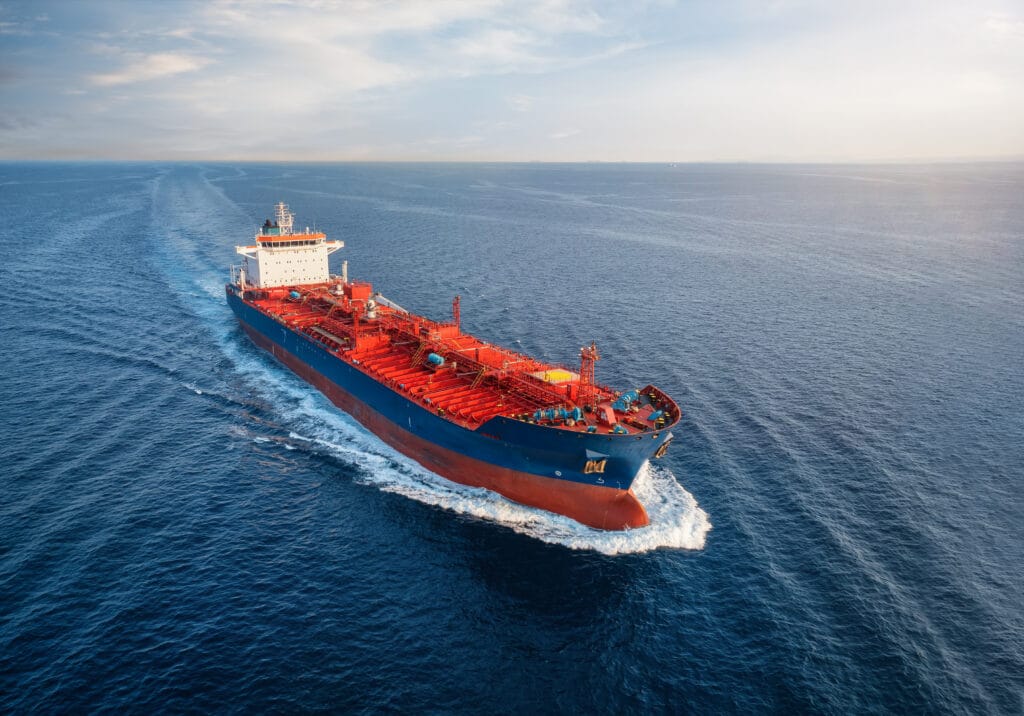
Rescuers battled heavy seas off Romania's Black Sea coast on Thursday as they searched for seven sailors missing from one of two chemical tankers struck by drones overnight. The attacks, which set both vessels ablaze, mark the most serious incident yet in a wave of strikes on commercial shipping in the western Black Sea — and the first to set fire to a ship inside the territorial waters of a NATO member (Reuters).
Contents
- What happened overnight
- The rescue operation
- Who did it? The attribution question
- A campaign against Black Sea shipping
- Why the Sulina route matters
- What happens next
- Frequently Asked Questions
What happened overnight
The first strike came late on Wednesday. The Comoros-flagged chemical and oil tanker Yara J caught fire 8–10 miles southeast of Sulina, inside Romanian waters. Romanian authorities said at the time it was not clear whether the vessel had been attacked, but its crew managed to douse the flames themselves and all were reported safe.
Hours later, at around 7:00 a.m. local time on Thursday, Romanian authorities reported explosions and fire aboard a second ship: the San Marino-flagged chemical tanker Wine Trader, struck roughly 13 nautical miles southeast of Sulina — about one mile outside Romanian territorial waters. The vessel was carrying no cargo and was en route from Tunisia to Romania.
Of the 12 people aboard the Wine Trader, five were rescued and seven remained missing as of Thursday, according to Romania's naval authority. Earlier statements had put the missing figure at eight, with four safe — the discrepancy reflecting the chaos of the early hours of a still-unfolding rescue (ThePrint).
Speaking ahead of a summit of EU leaders in Brussels, Romanian President Nicușor Dan confirmed that both ships had been hit by what he called "air drones." "Two air drones hit them," he told reporters. "There will be a reaction from the Romanian state." After a meeting with Bulgaria's leader and NATO Secretary General Mark Rutte on the sidelines of the summit, Dan posted on X that the trend was "unacceptable" and "has to stop": "Lives, global trade, and critical infrastructure are at stake."
The rescue operation
Romania's interior ministry said it had deployed two Black Hawk helicopters and two ships carrying medical staff to the search-and-rescue mission. Aerial footage released by the ministry showed a helicopter hovering above the burning Wine Trader.
But rescue crews faced punishing conditions. "At the moment, the rescue cannot be done safely because of very big waves," the interior ministry said in a statement (LBC Group / AFP).
The two vessels were both anchored near the mouth of the Sulina Canal, where ships routinely wait to pass into the Danube amid weather delays and congestion — an exposed position for vessels sitting idle at anchor.
Who did it? The attribution question
President Dan declined to say whether Russia was responsible for the strikes. Romanian officials also stopped short of explicitly linking the fires aboard the ships to Russian drones, even as they confirmed that Russian drones had strayed into Romanian airspace the same night.
A NATO military source was less circumspect, telling Reuters that the drones which caused the fires aboard both tankers inside Romanian territorial waters were "of Russian origin."
The question matters because attribution decides the politics. Romania shares a 614-kilometre border with Ukraine, much of it along the Danube, and has reported repeated breaches of its airspace by Russian drones over the past four years. Strikes on commercial vessels inside NATO territorial waters sit in far more dangerous territory than attacks on open seas.
A campaign against Black Sea shipping
The overnight attacks are the latest in a sharp escalation against commercial shipping in the western Black Sea. At least five other cargo vessels have been hit near the coasts of Romania and fellow NATO member Bulgaria over the past 10 days alone, with at least 23 sailors reported missing or dead. Those earlier strikes occurred just outside NATO's territorial waters.
Less than ten days ago, drones struck two cargo ships off the Bulgarian coast, sinking one vessel and leaving its crew missing — an attack Bulgaria described as a "blatant attack" and a serious violation of maritime law (see our coverage). Bulgaria summoned the Russian envoy over that incident. A separate drone attack on an Indian-crewed tanker also made headlines this month (see our coverage).
The pattern — repeated drone strikes on civilian merchant vessels at sea — is now impossible to dismiss as coincidence, and it is pushing the western Black Sea toward becoming one of the world's most dangerous shipping lanes.
Why the Sulina route matters
Both vessels were anchored at the mouth of the Sulina Canal, the gateway from the Black Sea into the Danube River. With Russia repeatedly attacking Ukraine's own Black Sea ports, the Danube route has become a major alternative export corridor for Ukrainian grain and other cargo.
Increasing attacks on Black Sea shipping connected with the Russia-Ukraine war have threatened to cause a global food crisis, as both countries are major exporters of grain, Reuters noted. Hitting ships at the chokepoint of Ukraine's workaround route multiplies the economic pressure — on Kyiv, on insurers, and on the world's grain markets.
What happens next
President Dan has promised "a reaction from the Romanian state," and Thursday's meeting with the Bulgarian leadership and NATO's secretary general signals that Bucharest wants a coordinated allied response, not a unilateral one.
The immediate priority remains the search for the seven missing sailors, with rescue crews hoping for calmer seas. Beyond that, the attacks raise hard questions: whether NATO will harden its posture in the western Black Sea, whether insurers will pull coverage from the route, and whether the coming weeks bring a formal attribution — and consequences — for whoever launched the drones.
Frequently Asked Questions
Which two ships were attacked?
The San Marino-flagged chemical tanker Wine Trader and the Comoros-flagged chemical and oil tanker Yara J. The Wine Trader was struck about 13 nautical miles southeast of Sulina on Thursday morning, with seven of its 12 crew missing. The Yara J caught fire late on Wednesday inside Romanian waters; all of its crew were reported safe.
Is this attack connected to the Russia-Ukraine war?
A NATO military source said the drones were of Russian origin, but neither Romania nor NATO has issued a formal attribution. Romanian President Nicușor Dan confirmed the ships were hit by drones but declined to name Russia. The attacks follow at least five similar strikes on cargo vessels near Romania and Bulgaria over the past 10 days.
Why is this escalation significant for NATO?
The Yara J fire occurred inside Romanian territorial waters — the first time a vessel has been set ablaze within a NATO member's waters in this campaign. Earlier strikes took place just outside NATO waters. Attacks inside allied waters carry far heavier political and legal implications under alliance commitments.
Why were the ships anchored near Sulina?
The mouth of the Sulina Canal is where ships wait to enter the Danube River, often queuing for days because of weather and congestion. With Russia attacking Ukraine's Black Sea ports, the Danube has become a vital export route for Ukrainian grain, making the anchorage a natural target for anyone trying to disrupt regional shipping.
What is Romania doing about the missing sailors?
Two Black Hawk helicopters and two ships with medical staff were deployed to the search-and-rescue mission. Rescue operations were hampered on Thursday by very high waves. President Dan has said "there will be a reaction from the Romanian state" and has raised the issue with NATO Secretary General Mark Rutte and EU leaders.