The United States has told fellow International Energy Agency members that it is unhappy with the emergency oil release coordinated to offset wartime supply losses, and is informally lobbying for an additional commitment of at least 100 million barrels, according to a Bloomberg News report cited in Thursday's live coverage (Economic Times).
The diplomatic push signals that Washington does not believe the releases so far are keeping pace with the damage from the conflict with Iran, which has turned the world's most important energy chokepoint into a battleground since the war began in late February.
Table of Contents
- The ask behind closed doors
- A chokepoint under fire
- Deliberate strikes on Gulf infrastructure
- France steps in to shield Saudi oil sites
- The political clock in Washington
- Frequently Asked Questions
The ask behind closed doors
According to the report, the United States has communicated its dissatisfaction to IEA member nations and is lobbying — so far informally — for a further commitment of no fewer than 100 million barrels on top of what has already been released. Coordinated emergency releases work only when consuming nations act together; a unilateral US drawdown of its Strategic Petroleum Reserve would be less effective and politically harder to defend three weeks before the midterm elections.
The move underscores the depth of the supply crunch. Even with emergency barrels flowing, the market has been unable to rebuild buffers: Chronicle reported earlier on the surge in oil prices as Hormuz shipping disruptions worsened, and crude has held well above the $100 mark — a level that was already punishing motorists and freight operators before the latest escalation.
A chokepoint under fire
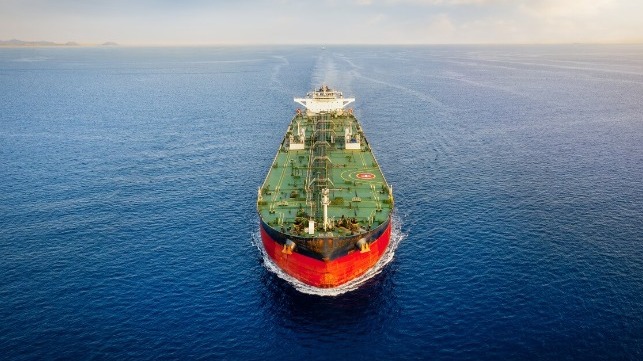
The immediate pressure comes from the sea. Iran's army said on Thursday that an oil tanker is on fire in the Strait of Hormuz, according to the live coverage — the latest incident in what has become a sustained campaign against commercial shipping. Reports this week put the number of vessels struck in and around the strait at no fewer than 10 since Sunday, the heaviest burst of maritime attacks since the war with Iran began.
Chronicle has tracked the steady escalation of the maritime conflict, from mine strikes on supertankers to attacks on gas carriers — each incident forcing insurers to raise premiums, reroute traffic and price a war-risk premium into every barrel that does make it through the chokepoint.
Deliberate strikes on Gulf infrastructure
The campaign is not limited to shipping. A Reuters investigation this week concluded that Iran's strikes on water and power facilities across the Persian Gulf were deliberate — not the collateral damage of falling debris, as had been claimed. The investigation counted at least 135 drone and missile strikes on at least 84 infrastructure sites across Saudi Arabia, the UAE, Iraq, Qatar, Kuwait, Oman and Bahrain since the war began on February 28, finding that the munitions repeatedly hit the single piece of equipment a facility could least afford to lose.
The pattern of precision targeting has raised alarm about the resilience of Gulf energy infrastructure — and about the cost of repairing it while crude flows remain disrupted.
France steps in to shield Saudi oil sites
The diplomatic fallout is already visible. France said on Thursday it has begun implementing operational elements of an agreement to help protect Saudi Arabia's oil facilities, a French Foreign Ministry spokesperson said, as reported by Reuters. It is the clearest sign yet that Western governments see the security of Gulf oil infrastructure as a direct national interest rather than a regional problem.
Meanwhile the Saudi-led coalition said Houthi rebels had attacked Riyadh's airport 20 times in October alone and called on the group to immediately halt attacks on civilian infrastructure — another front in the wider regional war threatening energy flows. Saudi civil defence also issued, and later lifted, an early warning alert over a potential threat in the Najran region on Thursday.
The political clock in Washington
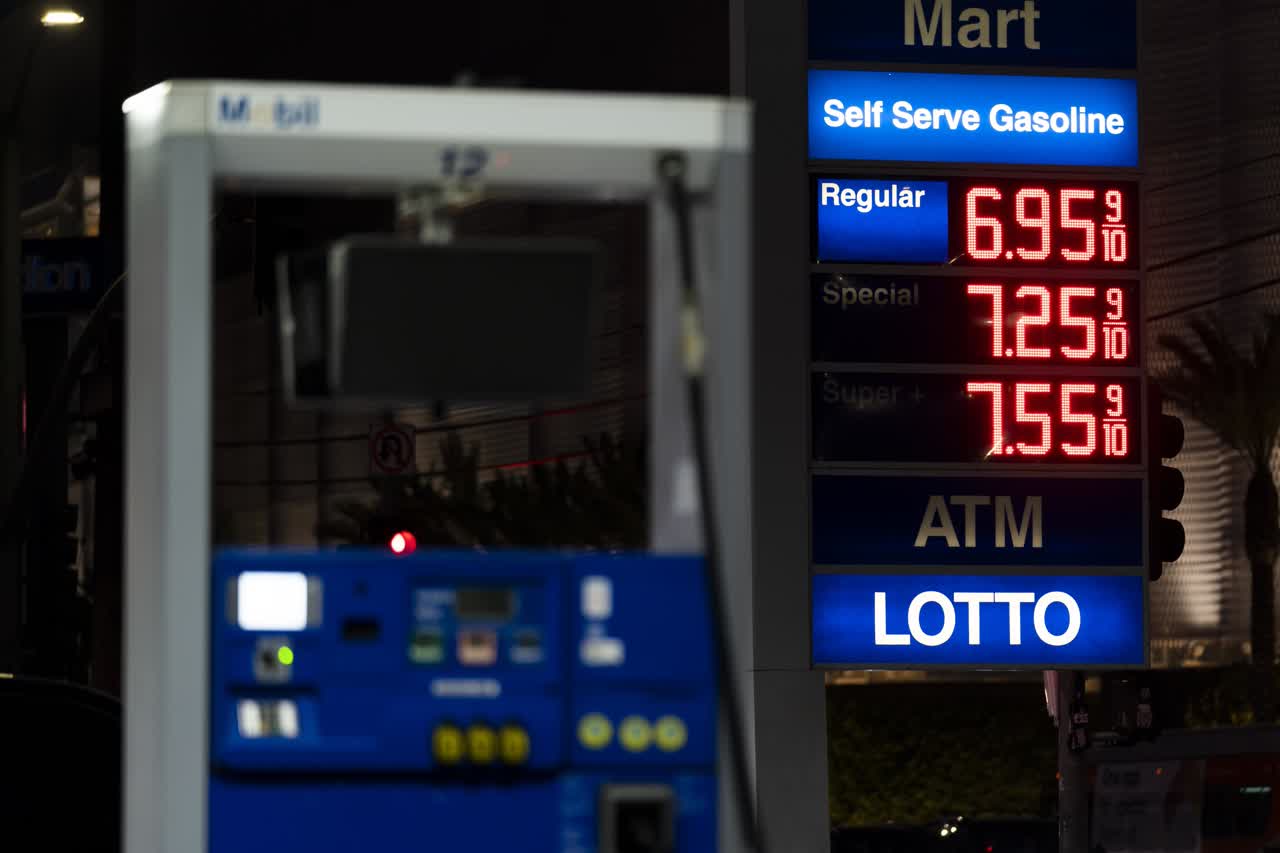
For the Trump administration, the oil crunch is no longer just a foreign-policy problem — it is a domestic one. September's consumer price data, published Wednesday, showed inflation running at 3.7% year-on-year, with gasoline prices jumping 9.1% in a single month and accounting for more than half of the overall increase, as Chronicle reported. Diesel, the backbone of freight transport, has surged even further.
With voters heading to the polls on November 3 and the cost of living consistently ranked as their top concern, every new record at the pump is political ammunition for Democrats. Securing an extra 100 million barrels from IEA partners would be one of the few levers the administration can pull to cool fuel prices before election day — and the fact that Washington is lobbying informally, rather than announcing a formal IEA action, suggests the negotiation is still live.
Frequently Asked Questions
Why does the US want an extra 100 million barrels from the IEA?
According to Bloomberg News, the United States has told International Energy Agency member nations it is unhappy with the emergency oil release so far and is informally lobbying for an additional commitment of at least 100 million barrels. The push reflects the depth of the wartime supply crunch around the Strait of Hormuz, where shipping attacks and strikes on Gulf energy infrastructure continue to disrupt flows.
What is happening in the Strait of Hormuz right now?
The strait is seeing the heaviest burst of maritime attacks since the war began. Iran's army said on Thursday that an oil tanker is on fire in the strait, and reports put the number of vessels struck in and around the waterway at no fewer than 10 since Sunday. The disruptions have pushed crude prices well above $100 and raised war-risk insurance costs for every shipment.
Were Iran's strikes on Gulf infrastructure deliberate?
A Reuters investigation this week concluded that they were. It counted at least 135 drone and missile strikes on at least 84 infrastructure sites across seven Gulf states since February 28, finding that munitions repeatedly hit the single most critical piece of equipment at each facility — ruling out the official claim that civilian damage came only from falling debris.
How does this affect the US midterm elections?
Voters go to the polls on November 3 with the cost of living as their top concern. September inflation ran hot at 3.7% year-on-year, driven largely by a 9.1% monthly jump in gasoline prices — a direct pass-through of the energy shock. Fuel prices are now a central issue of the campaign's final weeks.