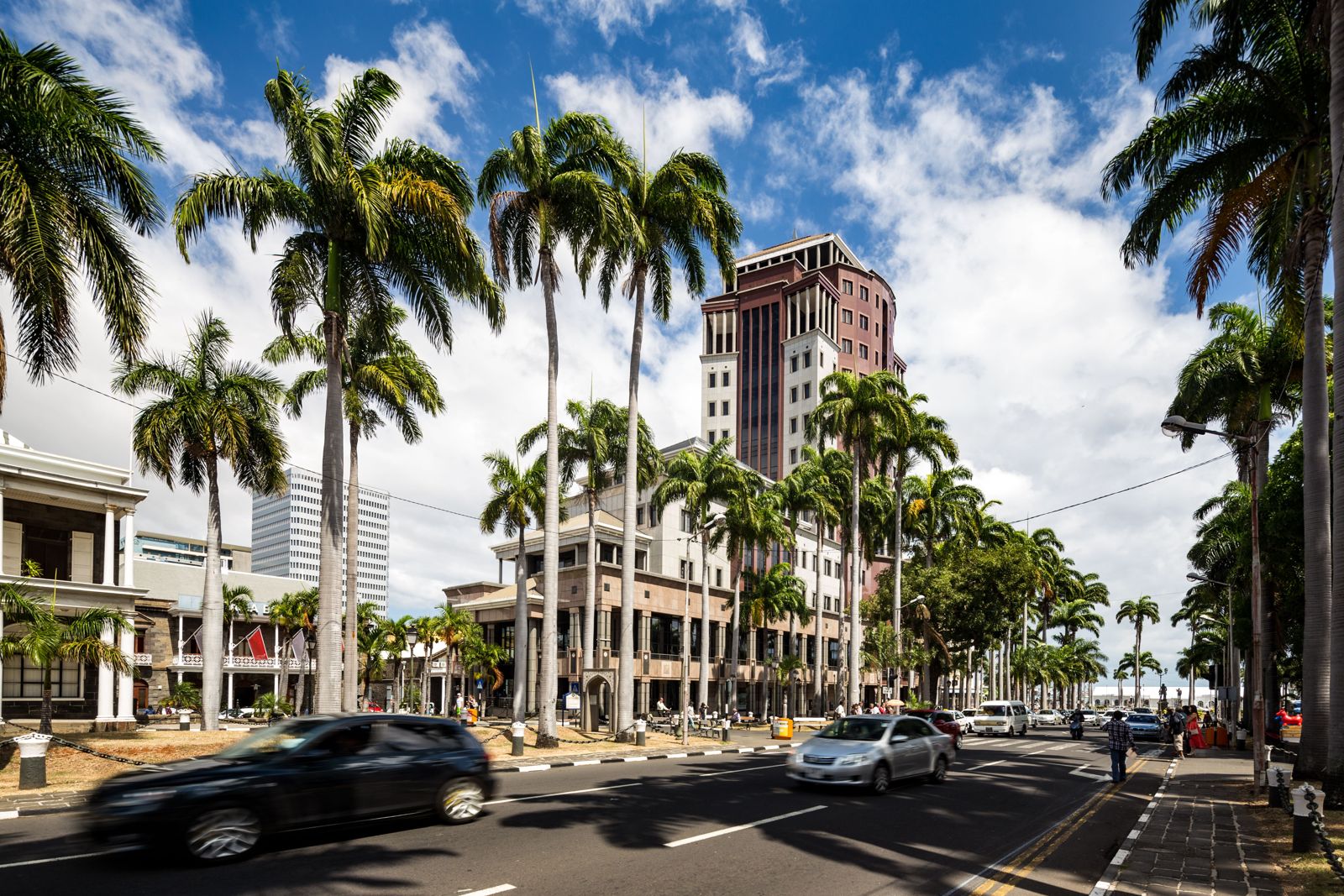
Mauritius has imposed an overnight curfew on its capital, Port Louis, and other major population centres after a night of unrest triggered by the police shooting of a 27-year-old woman. The move is a rare show of force in an island nation long regarded as one of Africa's most stable democracies — and a sign of how quickly public anger over a single incident can test that reputation.
Prime Minister Navin Ramgoolam announced the curfew in an address to the nation on Tuesday, saying it would run from 8:30pm local time (16:30 GMT) until 6am on Wednesday. The restrictions cover Port Louis and other major towns on the Indian Ocean island, a popular tourist and offshore banking destination where public unrest is uncommon.
A shooting that shocked the island
At the centre of the crisis is the shooting of Élodie Thomas, a 27-year-old woman who was wounded while travelling home from work in a van through a residential area south of the capital on Friday night. Health Minister Anil Bachoo said Thomas underwent successful surgery to remove a bullet.
Local media reported that a police sergeant has been provisionally charged in connection with the shooting, though details of what led to the incident have not been disclosed. Police have not publicly commented on the circumstances, but have confirmed that an investigation is under way.
The lack of an immediate official explanation appears to have fuelled the anger. On Monday night, protesters burned tyres and blocked roads in parts of the country, prompting the deployment of additional police. The disruption rippled through daily life: Metro Express train services were interrupted, bus routes were disturbed, and some services only gradually resumed.
Schools closed, cabinet to meet
On Tuesday, the Ministry of Education closed schools in some parts of the country, without saying when they would reopen. The Prime Minister's Office said the situation had returned to normal and that all public sector services would operate as usual. Ramgoolam's cabinet is due to meet on Wednesday afternoon to assess the situation again.
The business community has also moved to limit disruption. Business Mauritius, the main employers' organisation, recommended that companies allow remote work and flexible hours where possible, to reduce commuting difficulties and keep economic activity going.
The curfew itself is a measure of the government's concern. Mauritius, home to about 1.3 million people, has built its modern identity on political stability, a functioning judiciary and a reputation for good governance — qualities that underpin both its tourism industry and its role as a financial centre linking Africa and Asia. A night-time curfew in the capital is therefore not merely a policing decision; it is a signal that the authorities judged the unrest serious enough to risk denting that image.
Why this matters beyond Mauritius
The episode raises questions that reach well beyond one island. First, it is a test of accountability: the provisional charge against the sergeant suggests the authorities are treating the shooting as a criminal matter, but the public will be watching whether the investigation proceeds transparently and whether its findings are published.
Second, it is a test of proportionality. Curfews can restore order quickly, but they can also deepen resentment if residents feel they are being punished for the actions of a few — or for demanding answers about police conduct. How the government communicates during the curfew, and how quickly it lifts it, will shape whether the unrest fades or hardens into a broader protest movement.
Third, it is a reminder that stability is not the same as the absence of grievance. Mauritius has avoided the cycles of political violence seen elsewhere in the region, but the speed with which a single shooting escalated into road blockades and a curfew shows that public trust in institutions cannot be taken for granted anywhere. Similar dynamics have played out in protests in Brussels and Colombia, where a single trigger exposed deeper frustrations.
For now, the immediate question is whether Wednesday's cabinet meeting produces answers — about the shooting, the investigation, and the path back to normal life — or merely extends the restrictions. The island's reputation for calm was earned over decades; the coming days will show how much of it survives this week.
Frequently Asked Questions
Why did Mauritius impose a curfew?
Prime Minister Navin Ramgoolam announced the curfew after protesters burned tyres and blocked roads on Monday night in response to the police shooting of Élodie Thomas. The curfew runs from 8:30pm to 6am and covers Port Louis and other major population centres.
What happened to Élodie Thomas?
Thomas, 27, was wounded by a police officer's bullet while travelling home from work in a van in a residential area south of Port Louis on Friday night. She underwent successful surgery to remove the bullet, according to Health Minister Anil Bachoo.
Has anyone been charged over the shooting?
Local media reported that a police sergeant has been provisionally charged in connection with the shooting. Police say an investigation is under way, but details of what led to the incident have not been disclosed.
Are schools and public services open?
Some schools were closed on Tuesday, with no reopening date announced. The Prime Minister's Office said the situation had returned to normal and that public sector services would operate as usual.
Sources: Al Jazeera, Reuters via SRN News.