French naval forces boarded an oil tanker suspected of belonging to Russia's sanctions-busting "shadow fleet" in the Indian Ocean on Monday, and are escorting it to the French overseas territory of Réunion for a detailed inspection. Moscow has denounced the operation as piracy and a blatant violation of international law.
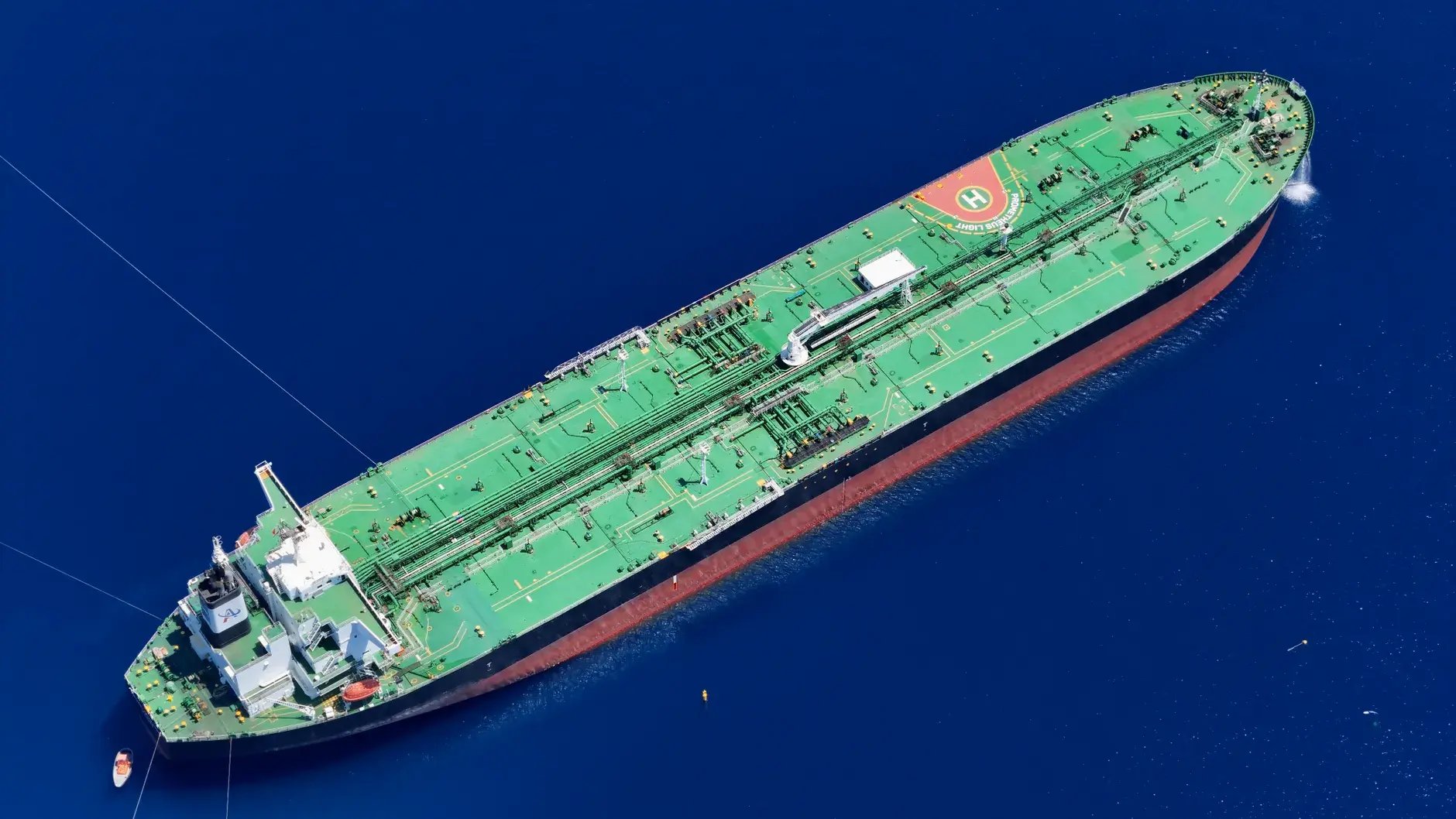
The vessel, the DF Peak, was intercepted about 450 nautical miles — roughly 830 kilometres — south of Réunion, President Emmanuel Macron announced on X on Monday evening, alongside a short video showing French military personnel fast-roping from helicopters onto the tanker's deck. Macron said the ship was suspected of sailing under a false flag and of carrying out illicit fuel transport as part of Russia's shadow fleet.
The seizure is at least the fifth of a Russian-linked tanker by France since 2024, and it lands at a moment when Europe is hardening its enforcement against the murky armada that has kept Russian oil flowing despite sweeping Western sanctions.
A boarding in the open ocean
According to Reuters, French forces boarded the DF Peak on Monday morning after harbouring doubts about the flag it was flying. The tanker was registered in Benin, a West African state, but French officials said the paperwork did not hold up.
"We had doubts regarding the flag under which this vessel was sailing, so we carried out an inspection," French army spokesperson Colonel Xavier Rival told a news conference. "Those doubts remain, and therefore the vessel is currently proceeding to Reunion Island by decision of the public prosecutor, so that we can examine the matter in detail."
The French military's general staff said on X that the boarding team's examination of the ship's documents had confirmed doubts about the irregularity of the flag flown. The vessel is now under escort to Réunion, where prosecutors and investigators will examine it in port.
Macron framed the operation as a matter of principle as much as enforcement. The action, he said, was carried out under international maritime law and demonstrated France's determination to uphold the rule of law and fight illegal smuggling anywhere. "France has a firm resolve to fight the so-called 'shadow fleet' wherever it is in the world," he wrote.
What is the shadow fleet?
The shadow fleet is the sprawling, deliberately opaque network of tankers that has grown up since Russia's full-scale invasion of Ukraine in February 2022. As Western governments imposed sanctions designed to cut Moscow's oil revenue — the lifeblood of its war effort — Russia and its trading partners assembled a parallel fleet of often ageing, lightly regulated vessels to keep crude exports moving.
The tactics are familiar to sanctions enforcers: vessels change names and flags, switch off tracking transponders, transfer cargo ship-to-ship in mid-ocean, and sail under registries that ask few questions. The DF Peak itself previously sailed under the name Kaliningrad, and it has appeared on the European Union's sanctions list since June 2024. More than 700 vessels are now subject to EU sanctions, according to reporting on the fleet.
The ships are also a safety concern. Many are old, poorly maintained, and sail with thin insurance cover — a combination that worries coastal states along their routes, from the Baltic to the Strait of Malacca. A spill from one of these vessels, critics argue, could leave taxpayers, not the owners, to foot the clean-up bill.
The DF Peak case illustrates how the enforcement fight has moved from paperwork to the high seas. Europe has been taking tougher action against tankers using false flag registries, including boarding vessels at sea. Under the EU's latest guidelines, member states can confiscate and sell cargo such as oil from sanctioned ships they seize — a step that turns interception from a symbolic gesture into a material blow against the trade.
Moscow's furious response
Russia's reaction was swift and blunt. Its embassy in France said the seizure of the DF Peak was "piracy" and a blatant violation of international law, according to the state RIA news agency. The embassy said France had not notified Russia about the seizure, and that it was trying to determine whether any Russian citizens were among the crew.
President Vladimir Putin has previously condemned European seizures of ships as acts of piracy and robbery, and the Kremlin has repeatedly argued that Western sanctions enforcement at sea exceeds what international law permits. Paris, for its part, insists its actions are grounded in maritime law — including the right of states to verify a vessel's flag when there are reasonable grounds to doubt it.
The dispute is not merely rhetorical. It goes to a live question in international law: how far can states go in policing vessels on the high seas when the flag state is absent, uncooperative, or itself part of the deception? France's answer, demonstrated off Réunion, is that a state may board, inspect, and divert a suspect vessel to its own ports when its claimed flag does not check out.
A split in the Western approach
The seizure also highlights a growing divergence in how Western governments are handling Russian energy flows. On Monday, the United States temporarily eased sanctions on the sale of Russian diesel, as war in the Middle East disrupts oil supplies and pushes prices higher. The move reflects Washington's competing priorities: squeezing Moscow's revenue while keeping global fuel markets stable.
Europe, by contrast, has been moving in the opposite direction — tightening sanctions and stepping up physical enforcement. Germany has held firm on its sanctions posture even as energy diplomacy shifts, and the seizure off Réunion fits a pattern of increasingly assertive European action against the shadow fleet.
The tension is structural. Sanctions on Russian oil are meant to starve the Kremlin's war machine, but oil is a global commodity: every barrel pushed off the market can raise prices for everyone else. The shadow fleet exists precisely in the gap between those two pressures — and the DF Peak's interception shows France is willing to close that gap with warships, not just paperwork.
What happens next
The DF Peak is expected to arrive at Réunion, where French prosecutors will conduct a detailed examination of the vessel, its cargo, and its documents. Depending on what investigators find, the ship and its oil could face confiscation under EU rules — a precedent that would sharpen the stakes for every other vessel in the shadow fleet.
Moscow, meanwhile, will keep up the diplomatic pressure, and the case may yet become a test of how far coastal and flag-state law stretches in the Indian Ocean. For now, the boarding stands as the most visible sign yet that Europe's campaign against the shadow fleet has moved from sanctions lists to the open sea — and that France intends to be in the lead.
The episode also fits a wider pattern of friction at sea this month, with tanker traffic in the Strait of Hormuz coming under attack and US forces stepping up interdictions of oil shipments — a reminder that the world's oil lanes, from the Gulf to the Indian Ocean, have become one of the sharpest edges of great-power confrontation.
Frequently Asked Questions
What happened to the DF Peak?
The French Navy boarded the tanker about 450 nautical miles south of Réunion in the Indian Ocean on Monday, 12 October 2026, after doubting the validity of its Benin flag. The vessel is being escorted to Réunion for a detailed inspection by order of the public prosecutor.
What is Russia's shadow fleet?
It is a network of tankers — more than 700 vessels are under EU sanctions — that Russia uses to keep exporting oil despite Western sanctions imposed after its 2022 invasion of Ukraine. The ships frequently change names and flags, obscure their ownership, and transfer cargo at sea to evade detection.
Why did France seize this tanker?
French authorities said they had doubts about the flag the vessel was sailing under, and that the boarding team's examination of its documents confirmed irregularities. President Macron said the ship was suspected of sailing under a false flag and of illicit fuel transport. The DF Peak, formerly the Kaliningrad, has been on the EU sanctions list since June 2024.
How has Russia responded?
Russia's embassy in France called the seizure piracy and a blatant violation of international law, said France had not notified Russia, and said it was checking whether Russian citizens were among the crew. President Putin has previously condemned European ship seizures in similar terms.
What happens to the ship and its cargo now?
The vessel will be examined in detail at Réunion. Under the EU's latest guidelines, member states can confiscate and sell cargo such as oil from sanctioned ships they seize.
Where can I read the original reporting?
Reuters reported the seizure and Moscow's reaction, and Reuters also covered the Russian embassy's statement calling the seizure a violation of international law.