Iran's government says the middlemen who sell its oil on world markets owe it billions of dollars — a staggering debt scandal that lifts the curtain on the shadow economy keeping the Islamic Republic's crude flowing despite years of crushing US sanctions.
The revelation, examined in an Al Jazeera analysis, raises an awkward question: how did private brokers accumulate debts to the state on a scale large enough to make headlines in the middle of a war economy?
How the intermediary system works
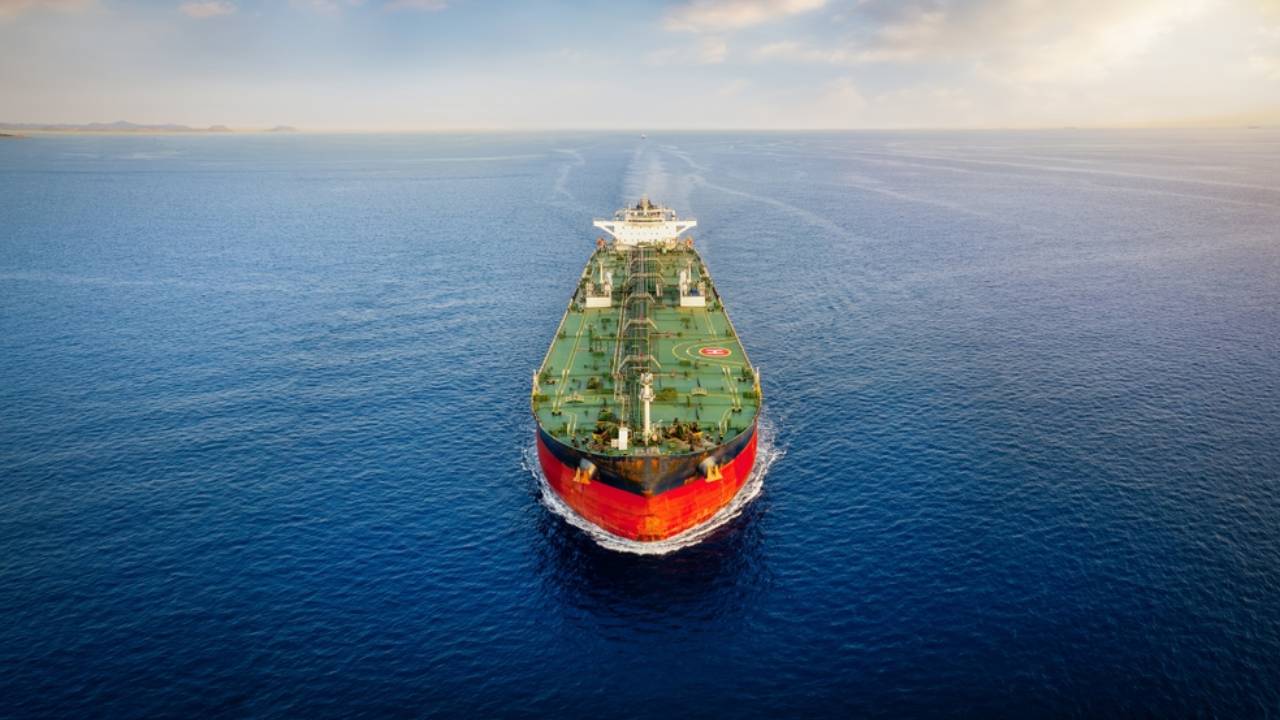
Because formal oil sales are blocked by US sanctions, Iran cannot sell crude through ordinary channels. Instead, it relies on a network of intermediaries — brokers, shipping companies and traders operating through front companies and ship-to-ship transfers — who buy Iranian crude at a discount and resell it, mainly to buyers in Asia.
The intermediaries were supposed to remit the proceeds back to Tehran. Over the years, however, billions appear to have stayed with the brokers instead. Officials describe a web of unpaid balances, murky accounting and, in some cases, outright embezzlement — funds that never made it back into state coffers.
Why it matters now
The scandal lands at the worst possible moment for Iran's economy. The rial has hit record lows, inflation is surging, and the country is under wartime economic conditions after months of confrontation with the United States. Washington has tightened the screws further, targeting the so-called "ghost fleet" of tankers carrying Iranian crude — including the Gulf of Oman blockade-runner strikes and warnings to foreign banks dealing with sanctioned entities.
Every dollar stuck in a broker's hands is a dollar Tehran cannot use to stabilise its currency, pay for imports, or fund its war effort. The debts also suggest that Iran's sanctions-evasion machine — long presented by hardliners as a strength — has become a source of internal rot, enriching middlemen while the treasury bleeds.
The broader sanctions squeeze
The intermediaries scandal is the domestic face of a much wider pressure campaign. Washington has moved beyond sanctions to direct interdiction of Iranian oil shipments, while oil prices have swung sharply on fears of a wider war. At the same time, Tehran's diplomatic room for manoeuvre has narrowed — even as mediation efforts continue on other fronts.
For ordinary Iranians, the consequences are visible at the market: imported goods are priced out of reach, and the government's ability to cushion the blow is shrinking.
What comes next
Tehran has vowed to recover the missing billions, but doing so means chasing assets through the same opaque networks it depends on to sell oil at all — a contradiction that makes aggressive prosecution politically risky. Analysts will be watching whether the scandal triggers a wider purge of the sanctions-busting apparatus, or whether it is quietly absorbed as the cost of doing business under embargo.
Either way, the episode exposes the uncomfortable economics of sanctions evasion: the middlemen who keep the oil flowing inevitably take their cut — and sometimes much more.
Frequently Asked Questions
Who are Iran's oil 'intermediaries'?
They are brokers, traders and shipping operators — often working through front companies — who buy Iranian crude at a discount and resell it to foreign buyers, mainly in Asia, allowing Tehran to evade US sanctions on formal oil sales.
How did they end up owing the government billions?
The intermediaries were meant to remit sales proceeds to Tehran. Over time, billions in revenues were not returned — attributed to unpaid balances, opaque accounting and alleged embezzlement — creating a massive debt to the state.
Why is this surfacing now?
Iran's economy is under severe wartime strain: a record-low rial, high inflation and tightening US interdiction of its oil shipments have made every lost dollar politically and fiscally urgent.