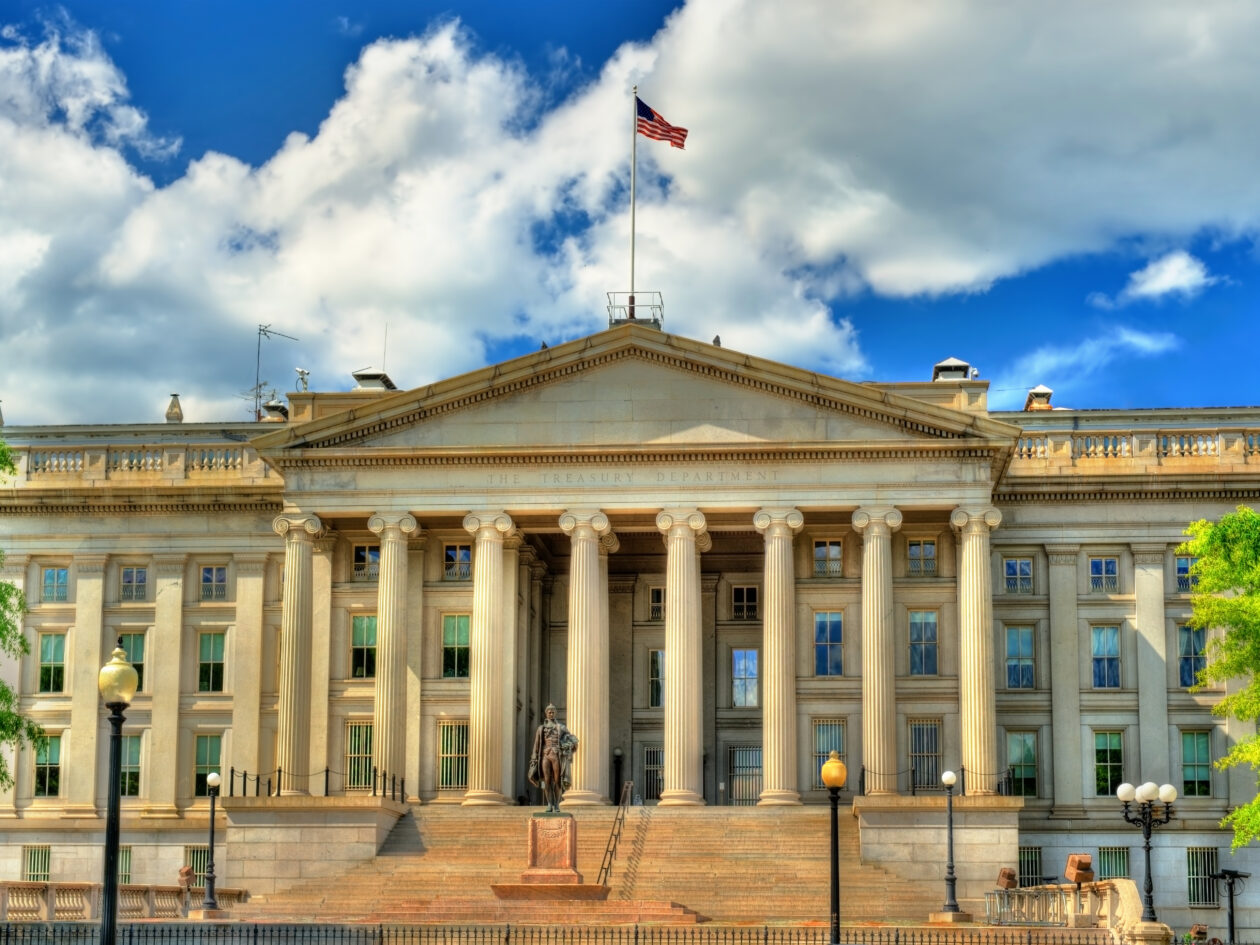
The United States put the world's bankers on notice on Monday: foreign financial institutions still doing business with Iran or its financial sector may be sanctioned by Washington at any time — with no advance warning. Reuters reported the Treasury Department's bluntly worded alert, which told banks to "take immediate action to terminate such activity and relationships."
"Foreign financial institutions continuing to transact with sanctioned Iranian financial institutions could be targeted at any time without advance notification and should take immediate action to terminate such activity and relationships," the Treasury said in its alert statement.
The campaign to isolate Tehran
The warning is the latest escalation in Washington's drive to cut Iran's remaining financial lifelines during the US-Iran war, which began in late February when the United States and Israel attacked Iran. Tehran answered with strikes on Israel and on Gulf states hosting US bases, and the conflict has since killed thousands and displaced millions.
Since late August, Washington has steadily intensified its campaign of economic isolation. Reuters reports that the Treasury has:
- rolled out a wave of new sanctions targeting Iran's financial, cryptocurrency, rail, automotive and manufacturing sectors;
- taken action against two banks — one in the United Arab Emirates and one in Turkey — over their alleged assistance to the Iranian authorities;
- warned allied governments that companies continuing to deal with Iran risk being shut out of the dollar-based financial system through secondary sanctions.
Monday's alert turned the spotlight directly on the banking industry itself, naming the Iranian government's "shadow banking" channels — off-book networks used to circumvent US restrictions — and telling foreign institutions to identify and avoid them.
What banks risk
The penalties the Treasury sketched are severe. Foreign institutions that facilitate Iran's access to the global financial system — including by providing services to Iranian banks or their subsidiaries and branches in third countries — risk being sanctioned for operating in or supporting sanctioned sectors of Iran's economy.
Among the "strict conditions" Washington warned of: institutions could be barred from opening or maintaining US correspondent or payable-through accounts — effectively cutting them off from dollar clearing — and could face civil and criminal enforcement penalties if Iran-related transactions cause US persons to violate sanctions.
For a bank, losing US correspondent access is close to a death sentence for international business. The threat is designed to force compliance departments worldwide to audit every link in their client chains for Iranian exposure.
The broader standoff
The alert lands amid a Middle East already reshaped by the war. Tehran's retaliatory campaign against Washington's Gulf allies has sent global energy and fertilizer prices soaring after it virtually shut a key trading route. The US has meanwhile reinforced its military posture in the region — see our coverage of the third US carrier group dispatched toward Iran and the Saudi-Pakistani-Turkish military pact backing Riyadh — and has kept tightening the screws on Iran's support networks, as in our reporting on US sanctions against Hamas-linked charities in France.
Iran's government, which was already heavily sanctioned before the war, has given no public response to Monday's alert. China's foreign ministry and other third parties routinely reject the framing of such warnings — though the real audience is not in Beijing or Tehran, but in the compliance offices of banks from Dubai to Istanbul.
Why this matters for markets
Secondary-sanctions threats like Monday's are a blunt instrument of financial statecraft: they force the world's banks to police themselves or risk losing access to the dollar system. The practical effect is usually swift — correspondent banks, clearing houses and trade-finance desks move quickly to shed exposed relationships rather than test Washington's patience.
With energy and fertilizer prices already elevated by the conflict, any further constriction of Iran's financial channels will tighten the economic vise on Tehran — and add another layer of uncertainty for the global banking system caught in the middle.
Frequently Asked Questions
What did the US Treasury announce?
On Monday, October 5, the Treasury Department issued an alert warning foreign financial institutions that continuing to transact with sanctioned Iranian financial institutions could get them sanctioned "at any time without advance notification." It urged them to immediately terminate such activity and relationships.
Why is the US targeting foreign banks now?
Washington is trying to cut Iran's remaining financial lifelines during the US-Iran war, which began in late February. Since late August it has intensified a campaign of economic isolation, including new sanctions on Iran's financial, crypto, rail, automotive and manufacturing sectors and action against two banks in the UAE and Turkey.
What is "shadow banking" in this context?
The Treasury said Iran's government operates so-called "shadow banking" channels — off-book financial networks — to circumvent US sanctions. Monday's alert told foreign institutions to identify and avoid any such activity.
What penalties could foreign banks face?
Institutions could be sanctioned for operating in or supporting sanctioned sectors of Iran's economy, be barred from opening or maintaining US correspondent or payable-through accounts (cutting off dollar clearing), and face civil or criminal enforcement if their transactions cause US persons to violate sanctions.
Does this affect only banks?
The alert targets foreign financial institutions broadly — including any that provide services to Iranian banks or their subsidiaries and branches in third countries. The ripple effects extend to trade finance, clearing and the dollar-based financial system as a whole.
How has Iran responded?
Tehran has not publicly responded to Monday's alert. Iran was already heavily sanctioned before the war and rejects the legitimacy of US secondary sanctions.