GRAND ISLAND, Nebraska — President Donald Trump signed an executive order on stage mid-rally on Monday that waives restrictions on tax-exempt red-dyed diesel, his latest and most theatrical attempt to bring fuel costs down with 29 days to go before the November 3 midterm elections. The order would let anyone buy the untaxed fuel "for any reason," Trump told the roaring crowd at the Pinnacle Bank Expo Center, promising truckers more than $100 in savings every time they fill up and "millions and millions of dollars" for farmers.
The announcement capped a campaign stop in a deeply conservative district the president carried in all three of his White House runs — part of a 32-day blitz that has taken him to Republican strongholds where, until recently, victory was assumed. With diesel at a record $6.38 a gallon nationally and a Reuters/Ipsos poll on Monday matching Trump's all-time lowest approval rating of 32%, the rally doubled as crisis management.
What the order does
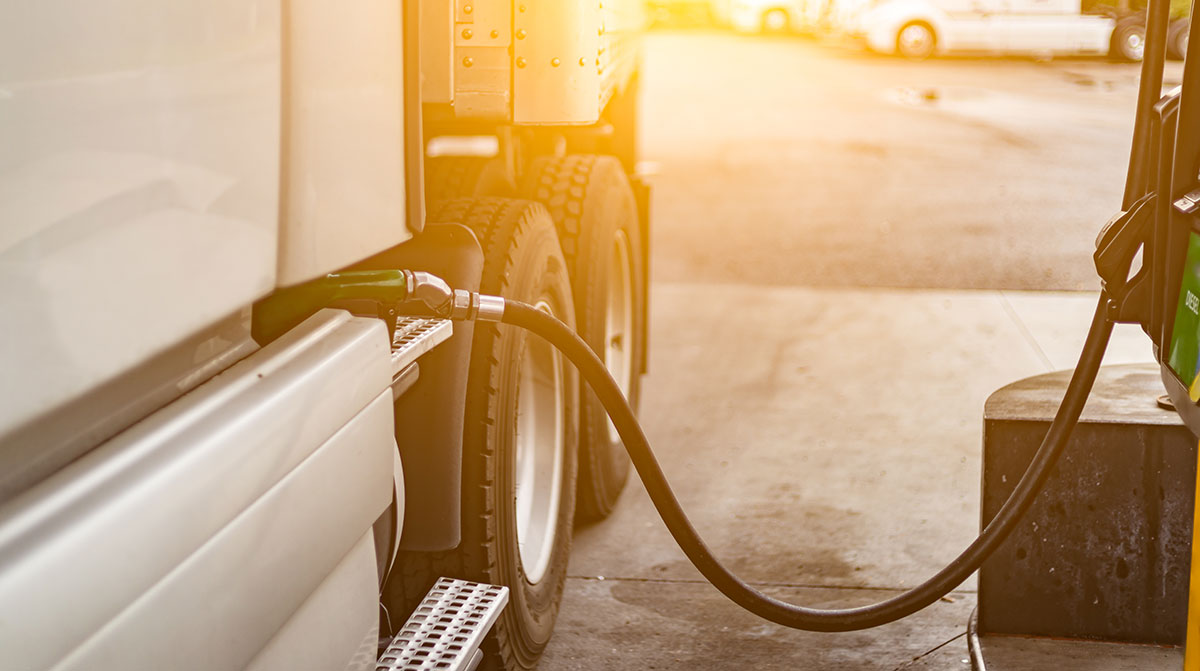
Red-dyed diesel is chemically identical to regular diesel but carries a small amount of dye added by refiners. It is exempt from the federal 24.4-cent-per-gallon highway tax (and some state taxes) that fund road construction, and has long been restricted to off-road use — farm equipment, construction machinery and other vehicles that never touch public highways. Inspectors can spot misuse by checking a vehicle's tank for the dye.
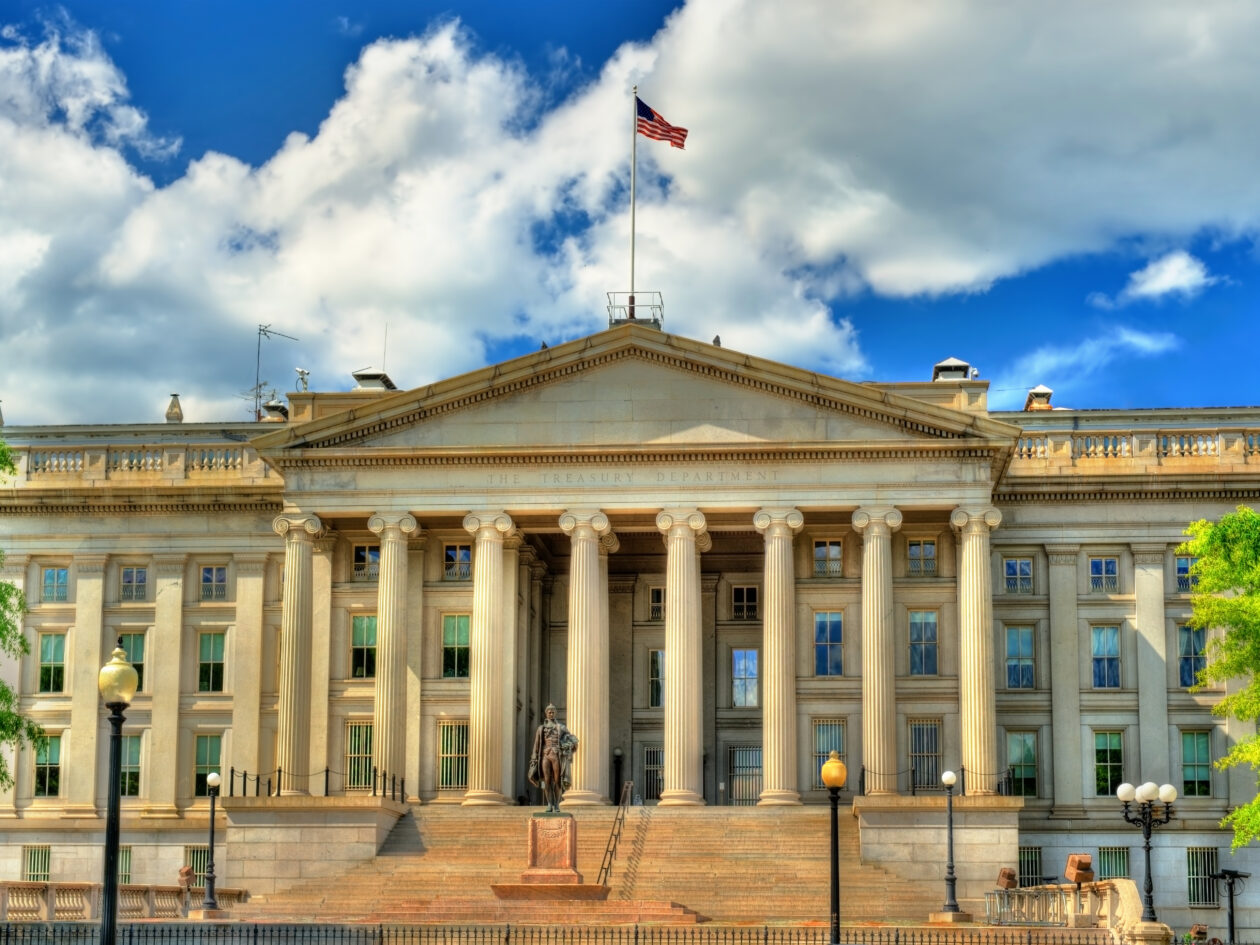
Trump's order waives the off-road requirement. According to The Straits Times, the directive instructs states to increase the availability of tax-exempt red diesel, asks them to consider waiving certain fuel taxes, calls for "non-enforcement" of the dyed-diesel limitations, and orders the Treasury Department to review diesel taxation. Ten states accounting for roughly a third of US diesel sales had already taken steps to allow wider use of dyed diesel by Friday, according to research firm ClearView Energy Partners, cited by Politico.
"Pete and Jim, this should absolutely ensure your election, I guarantee you that," Trump said, addressing Senator Pete Ricketts and Governor Jim Pillen of Nebraska, both on the ballot. White House aide Natalie Harp carried the order up to the podium at Trump's direction; he signed it in front of the cameras.
Why diesel prices matter this much
The context is unforgiving. Diesel averaged below $4 a gallon in February, before the United States attacked Iran and oil shipments through the Strait of Hormuz slowed. Surging crude has pared refining capacity and reduced petroleum shipments globally, hitting the fuel that powers rural America hardest — harvesters, grain trucks, and the long-haul freight that moves almost everything else. Diesel is the invisible ingredient in grocery prices, which is why Trump tied the order to cheaper food: "This order will also drive down the cost of all goods, including grocery prices, very substantially."
Economists are more measured. Off-road equipment already runs on tax-exempt red diesel, so the order's main beneficiaries would be drivers of on-road pickup trucks and commercial vehicles who currently pay the excise taxes — a genuine savings for them, but partly offset by lost highway-fund revenue, and unlikely to move the price of fuel itself. What it unambiguously does is cut taxes for diesel users ahead of an election.
A party on defence
Trump has spent the closing weeks of the campaign urging Republicans to "pretend" he is on the ballot — framing the midterms as a referendum on his administration and its economic record. His pitch to voters: investment, manufacturing and growth outweigh the pain of higher prices stemming from the unpopular US-Israeli war on Iran.
But the political backdrop at Grand Island was stark. The Reuters/Ipsos poll completed Monday found registered voters preferring Democrats over Republicans 44% to 37% when asked which party they would back in the midterms; among independents, Democrats led 37% to 21%, with 28% undecided. That Trump is campaigning this hard in Nebraska — a state he carried by huge margins three times — tells its own story about where the race stands. The diesel order is less a policy revolution than a signal of how urgently Republicans are courting the farmers and ranchers they can least afford to lose.
Table of Contents
- What the order does
- Why diesel prices matter this much
- A party on defence
- Key Takeaways
- Frequently Asked Questions
- Sources
- Read Next on Chronicle
Key Takeaways
- The order: Trump signed an executive order in Grand Island, Nebraska, waiving the off-road restriction on tax-exempt red-dyed diesel — letting anyone buy it for any reason.
- The stakes: National average diesel is $6.38/gallon, up from under $4 in February; states must now expand availability and the Treasury will review diesel taxes.
- The pitch: Truckers save "more than $100" per fill-up and farmers "millions," Trump claims; economists note off-road users already pay no tax, so the benefit mainly flows to on-road diesel users.
- The politics: With 29 days to the November 3 midterms, a Reuters/Ipsos poll puts Trump at 32% approval — his all-time low — and voters prefer Democrats 44% to 37%.
Frequently Asked Questions
What is red-dyed diesel?
Red-dyed diesel is chemically the same as regular diesel, with a small amount of dye added by refiners. It is exempt from the federal 24.4-cent-per-gallon highway tax and some state taxes, and has historically been restricted to off-road vehicles such as farm and construction equipment — the dye lets inspectors detect unlawful use in on-road vehicles.
What did Trump's executive order change?
Signed at a Nebraska rally on Monday, it waives the off-road requirement, directing states to make tax-exempt red diesel more widely available, to consider waiving fuel taxes, and to relax enforcement of the dyed-diesel limits. The Treasury Department will also review diesel taxation.
Will it actually lower diesel prices?
Not directly. Off-road equipment already runs on tax-exempt red diesel, so the order mainly cuts the tax cost for on-road diesel users like pickup-truck drivers and truckers. It does nothing to expand supply or refining capacity — the underlying drivers of the price surge after the US struck Iran and Hormuz shipments slowed. Our earlier coverage of the diesel crunch explains how crude prices above $100 a barrel set the stage for this.
How does this fit into Trump's midterm campaign?
The rally was part of a 32-day sprint before the November 3 midterms, targeting farm and trucking voters in a deep-red state Republicans can no longer take for granted. Trump's approval sits at 32% in Monday's Reuters/Ipsos poll — tying his lowest ever — while Democrats lead the generic congressional ballot 44% to 37%.
How is this different from Trump's earlier diesel moves?
Earlier this year the administration pursued a G7 coordinated reserve release (what we covered here) and declined to ban diesel exports (coverage). This order is instead a domestic tax-and-enforcement shift aimed squarely at election-season pocketbook concerns.
Sources
- The Straits Times — "Trump eases limits on dyed diesel in bid to cut fuel costs"
- New York Post — "Trump signs executive order mid-rally allowing drivers to use 'tax-free red-dye diesel' to lower fuel costs"
- Times Now — "Trump Signs Dyed Diesel Executive Order As Prices Soar"