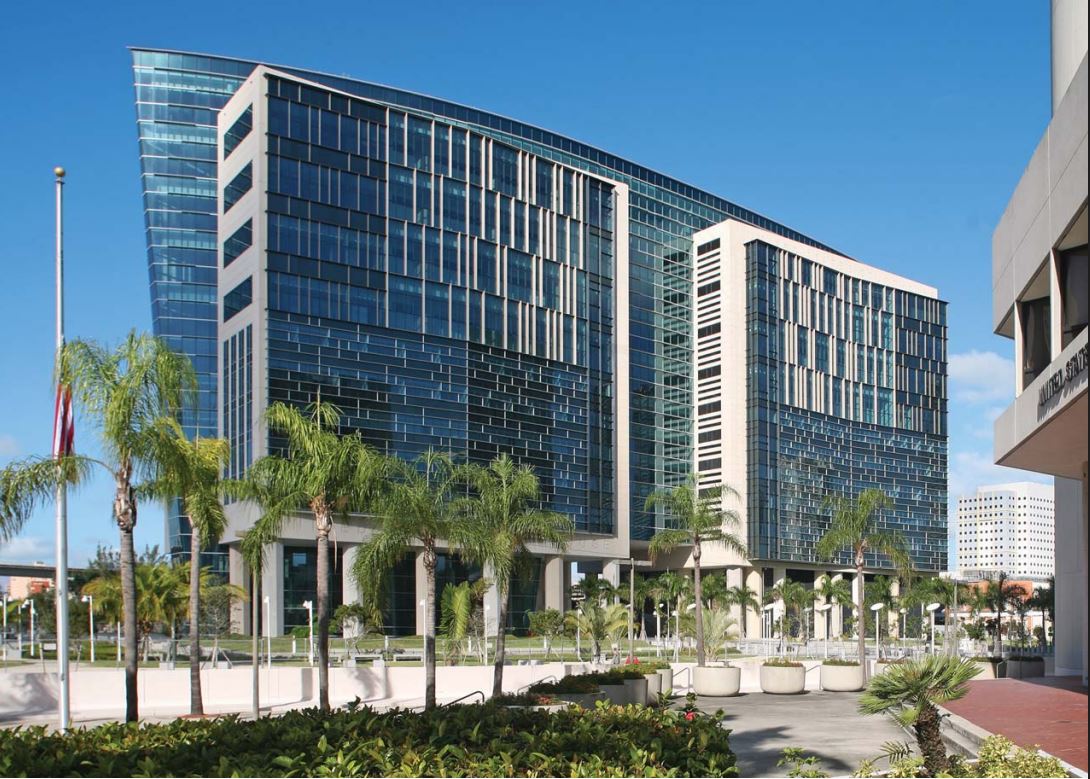
A federal jury in Miami has convicted Florida pastor Christian Emmanuel Sanon of conspiracy charges arising from the 2021 assassination of Haitian President Jovenel Moïse, closing one of the most closely watched chapters of a case that has stretched across two countries and more than five years. (The Guardian)
Sanon, a Haitian-American pastor who worked with churches in Haitian immigrant communities in Florida and the Midwest, was found guilty on Wednesday, 18 November 2026, after a trial lasting nearly eight weeks. He faced eight charges in total, including conspiracy to kill Moïse and conspiracy to kidnap or kill a person outside the United States. He faces up to life in prison at sentencing, for which no date has yet been announced.
A plot planned and financed in South Florida
Prosecutors told the jury that South Florida served as the planning and financing hub for the conspiracy to remove Moïse and install a president chosen by the plotters — and that Sanon was their first choice for the job. They said he helped raise money for the scheme and organised travel to Haiti and lodging for himself and others involved.
The plot took its final shape in April 2021, when Sanon met in South Florida with a former Haitian senator and several American businessmen. According to the indictment, the group agreed that once in power, Sanon would award contracts to two Florida-based companies — Counter Terrorist Unit Federal Academy and Counter Terrorist Unit Security, known collectively as CTU — for infrastructure projects, security forces and military equipment.
CTU went on to recruit about 18 Colombian nationals with military training, ostensibly to provide security for Sanon. The conspirators also spent months acquiring weapons and bulletproof vests and trying to build ties with Haitian gangs. Court filings cited by prosecutors said the plan envisaged paying around two dozen foreign mercenaries with money obtained from US government programmes designed to help businesses during the Covid pandemic.
The defence: a political plan, not a murder plot
Sanon testified in his own defence. He acknowledged that he had at one point been in contact with people seeking to replace Moïse, but insisted the group had moved on to another candidate well before the assassination — and he denied any knowledge of a plan to kill the president.
That shift in the plotters' backing is part of the prosecution's own account. By June 2021, the conspirators had concluded that Sanon lacked both the constitutional qualifications and the popular support to become president. They transferred their support to Wendelle Coq Thélot, a former Haitian Supreme Court judge, who died in January 2025 while a fugitive.
Sanon had originally been due to stand trial alongside four other men, who were convicted earlier in 2026, but his case was separated and delayed for health reasons.
The night Moïse was killed
Moïse was shot dead on 7 July 2021 during a night-time raid on his home by a commando made up largely of retired Colombian soldiers. His wife was wounded in the attack. Haiti has had no president since, and the country has slid deeper into gang violence and political paralysis in the years that followed.
The American prosecution has become the most consequential legal reckoning for the assassination. US prosecutors have charged more than 40 people with crimes connected to the killing; about a dozen have been convicted, five of them serving life sentences. The Miami case has moved far faster than any proceedings inside Haiti itself, where the investigation has stalled repeatedly amid threats against judges and the collapse of state institutions.
What the verdict does — and does not — settle
The conviction answers a central question about the plot's origins: a US jury has now found that the conspiracy was organised on American soil, with American money and American-based companies at its centre. That finding matters beyond Sanon's own fate, because it establishes a legal record of how the assassination was financed and planned — something Haiti's own broken justice system has been unable to produce.
What it does not settle is the wider accountability for the killing. The gunmen who carried out the raid, the financiers beyond those already charged, and the question of who ultimately ordered the murder remain subjects of continuing investigation. Haiti's presidential vacuum also persists: an election for a new president is planned for next year, but the country's institutions remain fragile, and Haiti's elections have already been postponed indefinitely once before.
The case also underlines how deeply the crisis in Haiti is entangled with the United States. South Florida's Haitian diaspora, American security contractors, and US pandemic-relief funds all feature in the prosecution's account — a reminder that the assassination was not only a Haitian tragedy but a crime with roots in the country where it was tried. Haiti's instability has continued to spill across the region, from El Salvador's deployment of special forces to the country to the Dominican Republic's stadium ban linked to the crisis.
For Haiti, the verdict is a measure of justice delivered abroad while justice at home remains out of reach. Sanon will be sentenced in the coming months; the country he once hoped to lead still waits for a president of its own.
Frequently Asked Questions
Who is Christian Emmanuel Sanon?
Christian Emmanuel Sanon is a Haitian-American pastor from Florida who worked with churches in Haitian immigrant communities in Florida and the Midwest. Born in Haiti, he moved to the United States as a teenager. Prosecutors said he was the conspirators' first choice to replace President Jovenel Moïse.
What was Sanon convicted of?
A federal jury in Miami convicted him on 18 November 2026 of conspiracy charges arising from the assassination of Jovenel Moïse, including conspiracy to kill the president and conspiracy to kidnap or kill a person outside the United States. He faced eight charges in total and faces up to life in prison.
How was the assassination plot organised?
Prosecutors said South Florida was the planning and financing hub. The plot took shape in April 2021, when Sanon met a former Haitian senator and American businessmen. Two Florida companies, collectively known as CTU, recruited about 18 Colombian nationals with military training, while the conspirators acquired weapons and body armour. The plan envisaged paying around two dozen foreign mercenaries with money from US Covid-era business relief programmes.
Why was Sanon not the plotters' final candidate?
By June 2021, the conspirators concluded Sanon lacked the constitutional qualifications and popular support to become president, and transferred their support to Wendelle Coq Thélot, a former Haitian Supreme Court judge, who died in January 2025 while a fugitive.
How many people have been charged in the United States over the assassination?
US prosecutors have charged more than 40 people with crimes connected to the killing. About a dozen have been convicted, five of them serving life sentences. Sanon was tried separately from four other men convicted earlier in 2026, after his case was delayed for health reasons.
What happened to President Jovenel Moïse?
Moïse was killed on 7 July 2021 during a night-time raid on his home by a commando made up largely of retired Colombian soldiers. His wife was wounded in the attack. Haiti has had no president since, and an election for a new president is planned for next year.