The crisis in the Middle East sparked in February by the war between the United States, Israel and Iran has created the "largest threat" to energy security in history, the International Energy Agency (IEA) warned on Thursday, in its flagship annual World Energy Outlook. The Paris-based agency said the disruption to oil and gas flows through the Strait of Hormuz has already cost the world 2.8 billion barrels of oil and 60 billion cubic metres of gas — and that consumers are increasingly footing the bill as the world's buffers run out. (The Straits Times)
"The Strait of Hormuz crisis has created the largest threat to energy security in history, one that dwarfs the scale of the oil shocks of the 1970s," IEA executive director Fatih Birol wrote in his foreword to the report. In an interview alongside the release, he went further still: "In my view, the energy world will never be the same again as it was before the Iran war." (The Times of Israel)
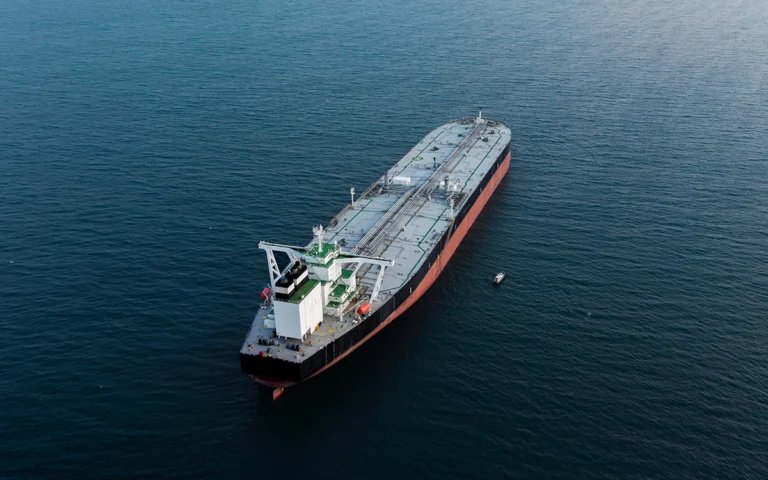
The warning lands nine months into a war that began on 28 February, when the United States and Israel began bombing Iran — and it lands in the same week that the strait itself produced fresh violence. On Wednesday evening, Iran's Revolutionary Guard said three more oil tankers had caught fire after striking mines east of the waterway, the latest in a drumbeat of incidents that has turned the world's most important oil chokepoint into a daily hazard. (Read more)
A disruption without precedent
The IEA's numbers explain why Birol reached for the superlative. The agency says the war has caused the biggest disruption ever to global oil and gas trade — larger, in its assessment, than the Arab oil embargo of 1973 or the Iranian revolution of 1979, the two shocks that defined energy security for a generation.
The scale is visible in the strait itself. About a fifth of the world's seaborne oil passes through Hormuz, and roughly 20 percent of global liquefied natural gas (LNG) moved through it in 2025. When mines appear in its eastern approaches and tankers start sailing with their tracking systems switched off, there is no practical alternative route for most Gulf crude — and the cost of the risk is passed straight through to households and businesses in the form of higher fuel prices, higher shipping insurance and higher electricity bills. (IEA)
That is the point the IEA stresses most in this year's Outlook: the world is running out of ways to absorb the shock. Emergency oil stocks have already been drawn down once — on 11 March, IEA member countries unanimously agreed to release 400 million barrels from their strategic reserves, the largest coordinated release in the agency's history. Strategic stocks, spare shipping capacity and fuel-switching options are all finite, and the agency's message is that each month the crisis continues, the cushion gets thinner.
What the Outlook actually forecasts
The World Energy Outlook works through three scenarios, and the differences between them are the heart of the report.
The cautious scenario counts only policies already in place. The middle scenario — the one the IEA treats as its central case — adds government policies that have been announced but not yet adopted. The third imagines a world that reaches net zero emissions by 2050. Under the middle scenario, global oil demand reaches a peak around 2030 before a slow decline, while gas demand keeps rising until about 2035.
The crisis changes the arithmetic inside those scenarios. The IEA says the disruption could cut world oil demand by more than 4 percent by 2035 — but only if governments respond by accelerating electrification, energy efficiency and fuel switching. In other words, the demand destruction the war is causing is not automatic: it depends on whether governments use the crisis as a reason to move faster away from oil, or simply pay the higher prices and carry on.
That conditional is the gap most of the first wave of coverage skipped. The headlines quote Birol's "largest threat" line; the report itself is really an argument about choice. A 4 percent demand cut by 2035 would be a historic shift in the world's energy trajectory — but it requires policy decisions that have not yet been taken, in countries that are currently spending their political energy managing the price shock rather than planning past it.
Who pays, and for how long
The agency is blunt that the bill is already landing on consumers. Fuel prices, freight rates and war-risk insurance for vessels transiting the strait have all risen, and the IEA says the crisis "would certainly leave lasting marks" — the phrase it uses for shocks that permanently change how energy markets work, not merely how expensive they are for a season.
The burden is not evenly shared. Import-dependent economies in Asia and Europe, which buy most of their oil and gas through Hormuz, feel the price rises first and hardest. Gulf producers, meanwhile, face a different risk: their economies depend on the same strait, their ports sit within range of the weapons being used, and several host American bases that have already been targeted in this war. The IEA's warning is, in that sense, addressed to both sides of the trade.
Released as the climate talks meet
The timing of the report is deliberate. It was published as governments gather for the COP31 climate talks in Antalya, Turkey, where negotiators are under pressure to act on climate change after a year of searing heatwaves and wildfires in Europe and deadly floods in Nepal. (Read more)
The collision of the two agendas is the report's quiet subtext. A war that threatens energy security pushes governments toward whatever energy is available fastest — which, in the short term, often means more coal and more oil from elsewhere. But the IEA's own analysis says the durable answer to an energy security crisis is the same as the answer to the climate crisis: electrify, use energy more efficiently, and switch fuels. Whether COP31's delegates hear that message while the strait is still burning is an open question.
The warning also comes against a backdrop of already-tight supply in Europe. The IEA warned in October that the continent entered winter with its lowest gas reserves in years — a reminder that the Middle East crisis is compounding vulnerabilities that existed before the war began. (Read more)
What to watch next
Three things will determine whether Birol's warning becomes a turning point or simply the most alarming sentence of 2026. First, whether the strait stays open: every new mine incident narrows the margin for shipping, and a single large closure would test the emergency stock system a second time. Second, whether governments take the demand-side path the IEA sketches — electrification, efficiency and fuel switching — or default to subsidising prices and waiting out the war. And third, whether COP31 produces anything that connects the energy security emergency to the climate agenda, rather than treating them as two separate conferences happening in the same year.
Until those answers arrive, the IEA's verdict stands as the starkest official assessment yet of what nine months of war has done to the world's energy system: not a temporary spike, but the largest threat to energy security in history — and one that, in Birol's words, means the energy world will never be the same again.
Frequently Asked Questions
What did the IEA warn on November 19, 2026?
The International Energy Agency said in its World Energy Outlook 2026 that the Middle East crisis sparked by the war with Iran has created the "largest threat" to energy security in history, dwarfing the oil shocks of the 1970s. Executive director Fatih Birol said the energy world "will never be the same again" as before the war.
How much oil and gas has the crisis already cost?
The IEA said the conflict has caused cumulative losses of 2.8 billion barrels of oil and 60 billion cubic metres of gas supplies from the Gulf, the biggest disruption ever to global oil and gas trade.
Why is the Strait of Hormuz so important?
About a fifth of the world's seaborne oil passes through the strait, and roughly 20 percent of global liquefied natural gas moved through it in 2025. There is no practical alternative route for most Gulf crude, so any threat to shipping there immediately affects global prices, insurance costs and energy security.
What did the IEA do about the disruption in March?
On 11 March, IEA member countries unanimously agreed to release 400 million barrels of emergency oil stocks — the largest coordinated release in the agency's history — to help address the market disruption.
Could the crisis cut world oil demand?
Yes, according to the IEA — by more than 4 percent by 2035 — but only if governments accelerate electrification, energy efficiency and fuel-switching measures in response. Under the agency's middle scenario, global oil demand otherwise peaks around 2030 and gas demand rises until about 2035.
Why was the report released during COP31?
The World Energy Outlook was published as governments meet for the COP31 climate talks in Antalya, Turkey. The IEA's analysis links the two agendas: the durable response to an energy security crisis — electrification, efficiency and fuel switching — is the same as the response to climate change.