Saudi air defences dealt with a Houthi missile threat over Riyadh in the early hours of Thursday, after a loud explosion shook the capital and falling debris damaged a skyscraper housing the headquarters of the kingdom's sovereign wealth fund, the Saudi-led coalition said.
The coalition's spokesman, Major General Turki al-Maliki, said in a statement posted on X at about 5:20 a.m. that its forces had "dealt with" a missile threat launched by Yemen's Houthis towards Riyadh. An initial assessment showed debris had fallen and material damage had been reported, with the extent still being determined. Al Jazeera reported that the attacks were the latest in weeks of strikes by the Yemeni armed group targeting Saudi military, civilian and oil infrastructure.
A skyscraper in the financial district damaged
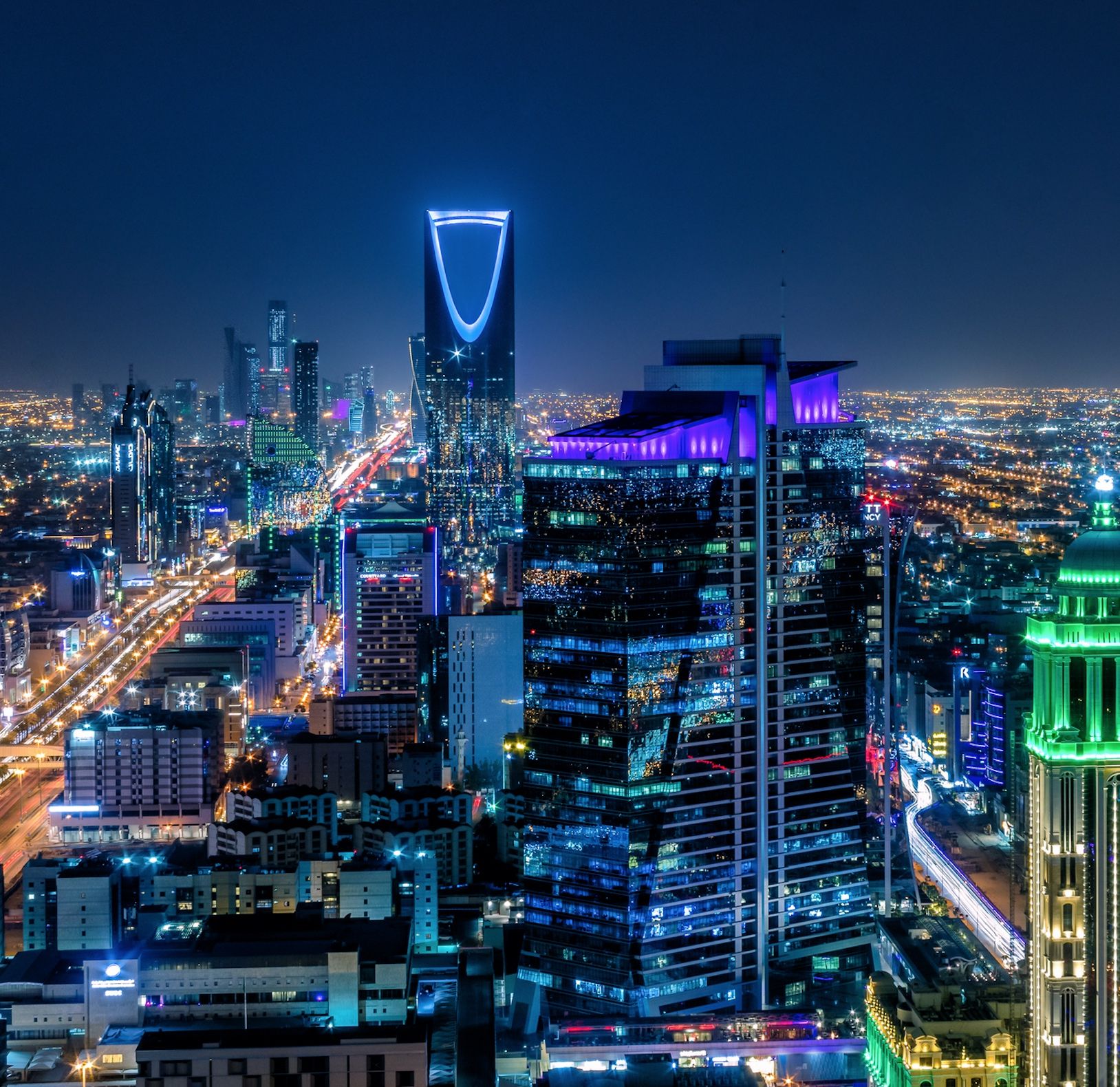
Witnesses told Agence France-Presse that a skyscraper in Riyadh housing the headquarters of the Public Investment Fund — the kingdom's sovereign wealth fund — was damaged on Thursday, a detail that gives the overnight attack a sharper edge than the routine interception announcements of recent weeks. The PIF tower stands in the King Abdullah Financial District, one of the most prominent symbols of the crown prince's economic transformation programme, and the Houthis claimed responsibility for targeting vital sites in the capital, including the international airport and the financial centre.
Saudi Civil Defence issued a mobile phone alert at 4:42 a.m. warning of an "aerial threat" over the capital, before lifting several warnings later in the morning. Arab News reported that the capital was rocked by a loud explosion as the defences engaged the incoming missile.
Four more missiles intercepted in the south
Hours later, the coalition said its air defences had intercepted and destroyed four ballistic missiles and a cruise missile launched by the Houthis towards Saudi Arabia's southern region, which borders Yemen. The coalition said it had also destroyed ballistic missile launchers in Yemen's northern Saada province and in Dhamar, which it identified as having been used in the attempted attacks on Riyadh and the south earlier in the day.
The Houthis also claimed strikes on Khamis Mushait and Abha in the south, where alerts were sounded. Saudi Civil Defence issued warnings in Riyadh, Al-Sulayyil, Wadi Al-Dawasir, Abha and Khamis Mushait before lifting several of them, according to Shafaq News.
The announcements followed coalition statements on Wednesday reporting the interception and destruction of two Houthi drones over Riyadh and southern Saudi Arabia, as well as two cruise missiles fired towards the Riyadh region — a tempo that has now produced attacks on the capital on three consecutive days.
The toll in Yemen
While Riyadh counts material damage, the retaliation is exacting a human price across the border. The Sanaa-based Health Ministry reported 11 civilians killed and 36 injured in Saudi airstrikes over the past 24 hours. Saudi aircraft carried out strikes on the Houthi-controlled Yemeni capital early on Thursday, the Houthi-run Saba news agency reported shortly afterwards, without providing further details.
That asymmetry — interception and debris in Saudi cities, airstrikes and civilian deaths in Yemen — has defined the renewed war. According to Saudi authorities, at least 26 people have been killed in suspected Houthi drone and missile attacks inside Saudi Arabia since 23 September, a toll that has steadily hardened Riyadh's response and pushed the conflict back into the open after years in which cross-border fire had ebbed.
Part of a wider Gulf escalation
Thursday's attacks did not happen in isolation. Tensions across the Gulf remain high: a tanker was struck by an unknown projectile near Khasab, Oman, in the latest attack on shipping in the Strait of Hormuz, and Iran has carried out strikes on Kuwait and Bahrain, according to Gulf News. The Houthi campaign, the shipping attacks and the Iranian strikes are unfolding simultaneously, raising fears of a regional conflict that no single capital can contain on its own.
The Houthis, who control much of northern Yemen including Sanaa, have framed their attacks as part of that wider regional confrontation. Riyadh and its allies describe the group as an Iranian-backed militia and accuse Tehran of supplying the weapons used in the strikes — a charge Iran denies.
What happens next
Neither side has signalled any readiness to de-escalate. The coalition's response so far has been military — more interceptions, more retaliatory strikes on launch sites — while the Houthis have shown no sign of halting a campaign that now reaches the heart of the Saudi capital's financial district.
For residents of Riyadh, the 4:42 a.m. alert was the most immediate sign of how close the war has come. The missile was stopped, the alert was lifted, and the city returned to normal by morning. But with the PIF tower damaged, missiles falling on the south in the same morning and airstrikes killing civilians in Sanaa, the cycle is widening rather than narrowing — and nights like this one may become a regular feature of life in the Saudi capital until the underlying conflict finds a political settlement.
Related coverage: the previous interception over the capital is covered in Saudi Coalition Intercepts Missiles and Drones Aimed at Riyadh, the deadliest recent strike in Riyadh Airport Missile Strike Kills 12 as Saudi Vows Response, and the shipping attacks in the Gulf in Iran Seizes Three Tankers and Lays Mines in the Strait of Hormuz.
Frequently Asked Questions
What happened in Riyadh on Thursday, 19 November 2026?
The Saudi-led coalition said its air defences dealt with a Houthi missile threat launched towards Riyadh in the early hours of Thursday. A loud explosion was heard in the capital, falling debris caused material damage — including to a skyscraper housing the Public Investment Fund headquarters, according to witnesses — and a Civil Defence alert sounded at 4:42 a.m.
How many missiles were intercepted in total?
In addition to the Riyadh threat, the coalition said it intercepted and destroyed four ballistic missiles and a cruise missile launched towards Saudi Arabia's southern region on Thursday. It also said it destroyed ballistic missile launchers in Yemen's Saada and Dhamar provinces.
Were there casualties?
The coalition did not report casualties in Riyadh, saying only that material damage was being assessed. In Yemen, the Sanaa-based Health Ministry reported 11 civilians killed and 36 injured in Saudi airstrikes over the past 24 hours.
What did the Houthis claim to have targeted?
The Houthis claimed responsibility for targeting vital sites in the Saudi capital, including the international airport and the financial centre, as well as Khamis Mushait and Abha in the south.
Why is this attack significant?
It is the third consecutive day of attacks on the capital, and the first to damage a high-profile symbol of Saudi Arabia's economic programme — the PIF headquarters tower in the King Abdullah Financial District. It comes amid a wider Gulf escalation involving shipping attacks in the Strait of Hormuz and Iranian strikes on Kuwait and Bahrain.