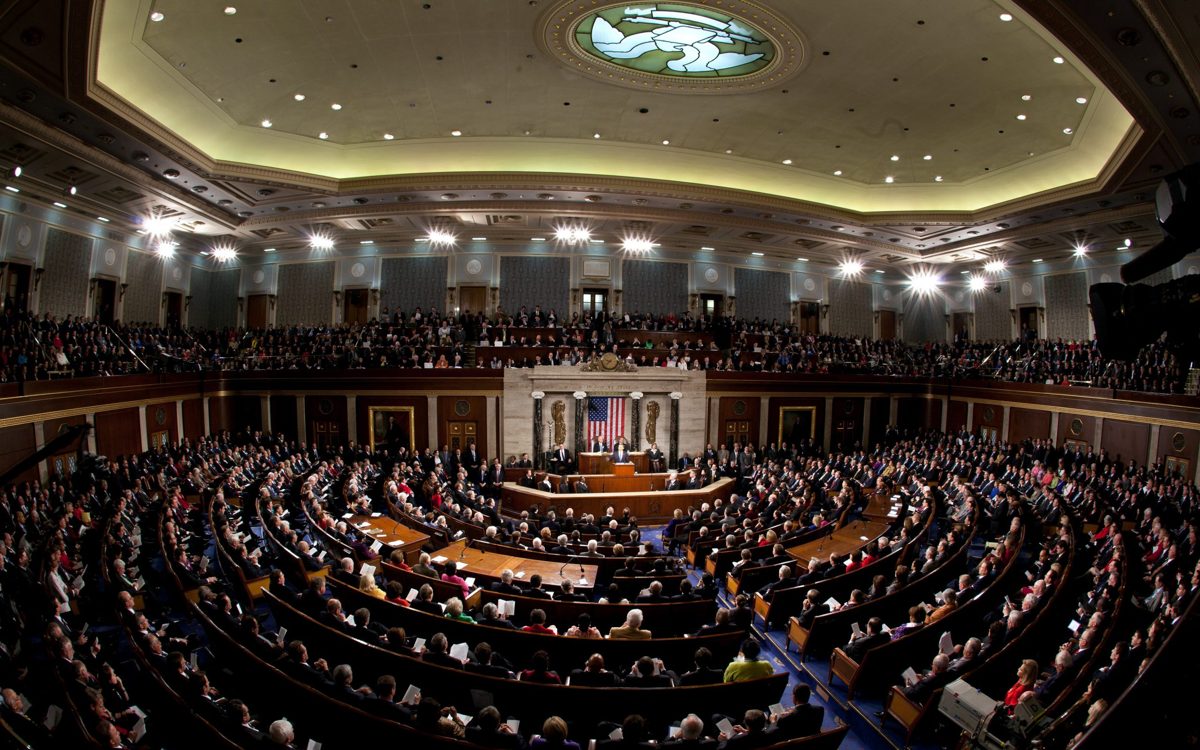
The US Senate on Thursday rejected legislation directing President Donald Trump to end the war in Iran or obtain Congress's approval to continue it, voting 51 to 48 to defeat a war powers resolution that had already passed the House of Representatives. (Reuters)
The vote, recorded at 2:42 p.m. Eastern time, was the first major test of the president's war policy in Congress since Republicans suffered sweeping defeats in the midterm elections — losses widely interpreted as a public repudiation of the conflict and its economic consequences. It ended as a symbolic victory for Trump, whose allies held the line even as three Republicans broke ranks.
The vote
The measure, designated H.Con.Res.93, invoked section 5(c) of the War Powers Resolution of 1973. It directed the president to remove United States armed forces from hostilities against Iran unless Congress explicitly authorised the operations through a declaration of war or a specific authorisation for the use of military force. The House had passed it in September; the Senate's rejection stopped that particular congressional directive in its tracks. (FINCHANNEL)
The final tally fell almost entirely along party lines. Three Republicans — Susan Collins of Maine, Lisa Murkowski of Alaska and Rand Paul of Kentucky — voted with the Democrats in favour of the resolution. One Democrat, John Fetterman of Pennsylvania, voted with the Republicans against it, as he has on each previous Iran war powers resolution. (USA Today)
A symbolic measure — and what the vote did not do
The resolution would not have compelled Trump to end the war even if it had passed: as a concurrent resolution it carried no force of law, and its practical effect was doubtful from the outset. But the vote also did something its supporters rarely emphasise — it granted no new authorisation either. The war, which the United States and Israel began on 28 February, continues without Congress ever having voted to authorise it, and Thursday's vote changed nothing about that legal position.
That distinction matters. The Constitution gives Congress, not the president, the power to declare war, and Trump never asked Congress to authorise this one. An earlier war powers measure did clear both chambers on 23 June — the first time such a measure had done so since the conflict began — but the latest effort died in the Senate, leaving the president's authority exactly where it was: asserted by the executive, untested by a binding vote.
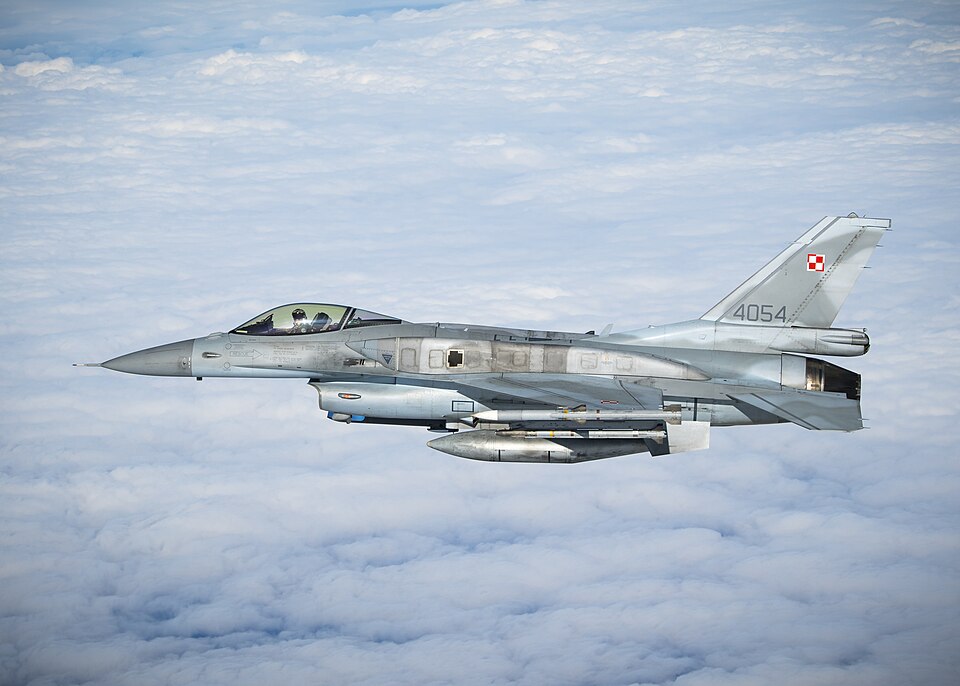
The fighting, meanwhile, has not paused for the debate. The United States has conducted several attacks against Iranian military targets in recent days, including a strike on 17 November against a missile launch site on Iran's Qeshm Island. (USA Today)
The politics: midterms, polls and cost
The vote came roughly two weeks after Republicans suffered stunning losses in the midterm elections, with the war — and the surge in oil prices it caused — widely seen as one contributing factor. Yet in the chamber, loyalty to the president outweighed the electoral warning. Even senators who have criticised the war found reasons not to back the measure.
Senator Thom Tillis of North Carolina, who is retiring and has been a vocal critic of the Iran war and supported past war powers resolutions, said he did not want to back what he saw as a politically motivated effort by Democrats that would not meaningfully change the administration's actions. Senator Josh Hawley of Missouri, another war critic, said he opposed the process rather than the substance of the measure. Asked about the prospect of Trump ramping up strikes in the region, Hawley replied: "Let's hope not."
Collins, who lost her re-election bid this month, voted for the resolution as she had on previous occasions — a reminder that some of the Republicans who defied the president will not be returning in January.
The public, meanwhile, has moved further than the Senate. A Reuters/Ipsos poll taken 13–16 November found only 31% of Americans approve of the war, while 71% support Congress passing legislation to end it — including 51% of Republicans. A Pentagon official told The Hill the war had cost $48.3 billion as of 13 November, up from just over $47 billion in October. The scale of that bill is part of why the conflict has become politically toxic: earlier reporting on US aircraft losses in the war put a concrete figure on the military price as well.
What comes next
The defeat does not settle the question of the war's future — it merely postpones it. Trump has said he will not rush any decision on new strikes against Iran, pushing the choice into 2027, and the calendar now works against him: a new Congress, controlled by Democrats, is sworn in on 3 January 2027. Any major military campaign decided after that date will face a far more assertive legislature than the one that just declined to restrain him.
Democrats are already preparing accountability measures for the new Congress, including the reintroduced impeachment articles against Defence Secretary Pete Hegseth over the Iran war. Thursday's vote showed that the current Senate will not stop the war. The next one may try harder — and the president's window for acting without a fight in Congress is now measured in weeks, not months.
Frequently Asked Questions
What did the Senate vote on?
The Senate voted on H.Con.Res.93, a war powers resolution that had passed the House in September. It directed President Trump to remove US forces from hostilities against Iran unless Congress authorised the operations through a declaration of war or a specific authorisation for military force. The Senate defeated it 51–48 on 19 November.
Would the resolution have ended the war if it had passed?
Probably not in practice. As a concurrent resolution it would not have had the force of law, and it would not have compelled the president to end hostilities. Its value was political: it would have put Congress formally on record demanding an end to the war or a vote to authorise it.
Which senators broke with their parties?
Three Republicans — Susan Collins of Maine, Lisa Murkowski of Alaska and Rand Paul of Kentucky — voted in favour of the resolution. One Democrat, John Fetterman of Pennsylvania, voted against it, as he has on every previous Iran war powers resolution.
How unpopular is the Iran war?
A Reuters/Ipsos poll conducted 13–16 November found 31% of Americans approve of the war, while 71% support Congress passing legislation to end it — including 51% of Republicans. The war had cost $48.3 billion as of 13 November, according to a Pentagon official.
What happens next?
The war continues without congressional authorisation. Trump has pushed any decision on major new strikes into 2027, but a new Democratic-controlled Congress is sworn in on 3 January 2027, and its members have signalled they will press harder on war powers and accountability.