Denmark's parliament has unanimously ratified the security agreement with the United States covering Greenland, closing the final parliamentary chapter on a standoff that began with President Donald Trump's repeated threats to take control of the Arctic island. All 109 lawmakers present in the Folketing voted in favour on Thursday; none voted against and none abstained.
The vote completes a process that began in September, when Trump, Danish Prime Minister Mette Frederiksen and Greenlandic Prime Minister Jens-Frederik Nielsen signed the trilateral agreement in New York. Al Jazeera reports that the deal will enter into force once Denmark's foreign ministry formally notifies Washington in a diplomatic note that its procedures are complete. No vote in the US Senate is required, because the agreement was negotiated as an executive agreement.
Table of Contents
- A vote without debate — and without a single dissenter
- What the deal actually gives Washington
- From annexation threats to a negotiated text
- What happens next: the diplomatic note
- Why the Arctic, and why now
- The questions ratification does not settle
- Key takeaways
- Frequently Asked Questions
- Sources
- Chronicle further reading
A vote without debate — and without a single dissenter
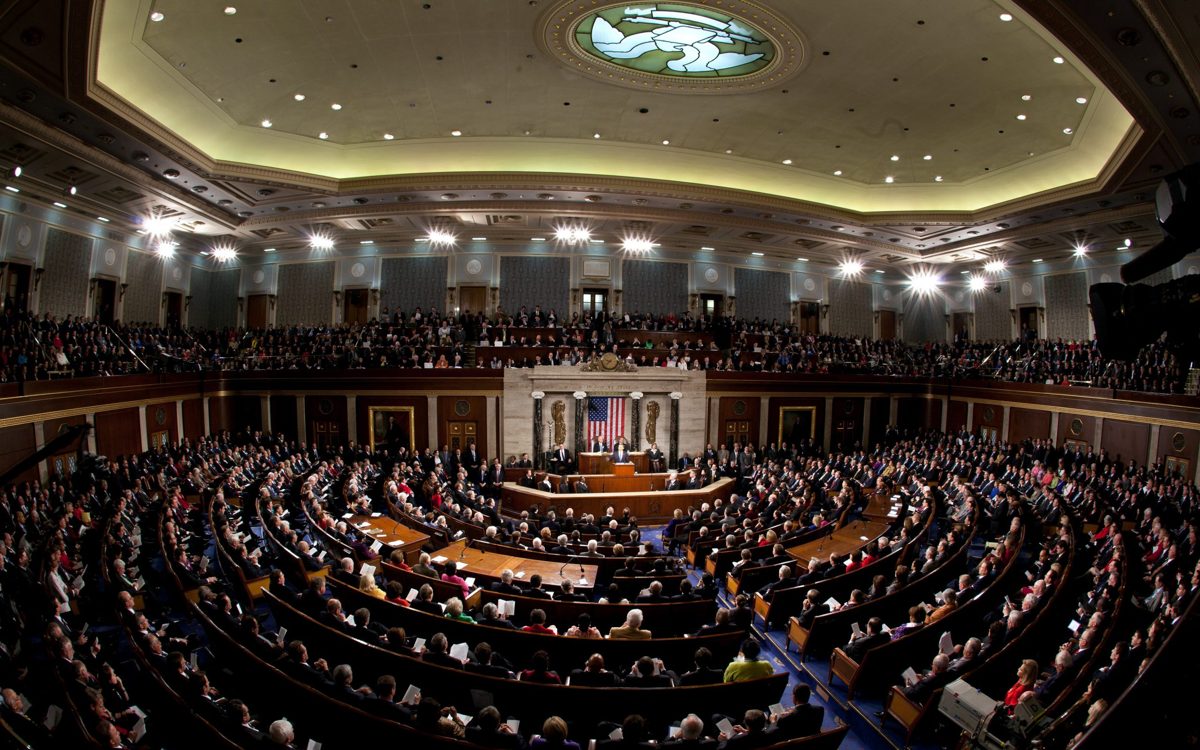
The Folketing's approval was striking for how little resistance it met. The vote followed the second reading of the text and went through without any debate or opposition, according to Al Jazeera. In the 179-seat chamber, the 109 members present all voted in favour — a result that stands in sharp contrast to the vote in Greenland's own parliament earlier this month, where the agreement passed 16–0 but with seven abstentions.
That contrast matters. In Nuuk, a significant minority declined to endorse the text outright, even though no lawmaker voted against it. In Copenhagen, the political class closed ranks. The unanimity sends a deliberate signal to Washington: Denmark speaks with one voice on the island's future, and that voice accepts a much larger American military presence — on terms Denmark and Greenland negotiated, not terms imposed on them.
The vote also resolves, at least formally, the most damaging transatlantic dispute of the year. Trump had repeatedly threatened to take control of the mineral-rich island, a self-governing Danish territory home to about 57,000 people, rattling an alliance that had held for generations. Reuters reports that Copenhagen hopes the ratification will end that standoff.
What the deal actually gives Washington
At its core, the agreement updates a 1951 defence pact and gives the United States a much larger role in Greenland's security. It paves the way for two new American military bases on the island and allows Washington to modernise and expand its activities at Pituffik Space Base, the remote US installation in north-west Greenland that has anchored the American Arctic presence for decades.
The text also covers President Trump's proposed "Golden Dome" missile defence system, giving the United States permission to establish missile-defence infrastructure on Greenlandic soil. That is the provision with the longest strategic shadow: it ties the island directly into the architecture of American homeland missile defence, making Greenland not just a surveillance outpost but a node in the shield itself.
Two safeguards in the text matter as much as the bases. First, Greenland remains under Danish control — the agreement does not transfer sovereignty, and it expressly preserves Greenlanders' right to self-determination. Second, the deal would still apply if Greenland eventually chose independence, so a future constitutional change would not automatically unwind the security arrangement. A further provision bars countries outside the European Union and NATO from strategic sectors in the territory, a clause aimed at limiting Chinese or Russian influence through investment.
From annexation threats to a negotiated text
The path to Thursday's vote began with a threat, not a negotiation. For months, Trump spoke openly about acquiring Greenland, at times refusing to rule out force, and the rhetoric strained relations between Washington, Copenhagen and Nuuk to their worst point in the modern era.
The September signing in New York was presented as the way out of that impasse: Washington would get a greatly expanded security presence, while Copenhagen and Nuuk would keep sovereignty intact. Greenland's parliament tested that bargain first, approving the text on 3 November by 16 votes to none, with seven abstentions. Thursday's vote in Copenhagen was the second and final parliamentary hurdle — and the one that removes the last formal obstacle to the deal taking effect.
The speed of the Danish process is itself a message. The bill passed its first reading last week and cleared its second reading on Thursday without debate, a pace that suggests the government wanted the matter settled before the political calendar moved on — and before the annexation rhetoric could return.
What happens next: the diplomatic note
Ratification is not quite the end of the process. The agreement enters into force once the Danish Ministry of Foreign Affairs informs the United States in a diplomatic note that its procedures are complete. Only then can construction of new facilities, and the modernisation work at Pituffik, proceed under the new legal framework.
That notification is expected to follow quickly, and once it lands, the practical work begins: site selection for the two new defence areas, the expansion of operations at Pituffik, and the planning for Golden Dome infrastructure. None of those steps has a published timetable yet, and the sequencing — which base comes first, and what missile-defence hardware arrives when — will be among the first tests of how the three governments manage the agreement in practice.
Why the Arctic, and why now
Greenland's location between North America and Europe makes it central to Arctic surveillance, missile warning and North Atlantic security, and its position has grown more valuable as Arctic shipping routes open and as Russia and China increase their activity in the region. Successive American administrations have valued the base at Pituffik; the current administration has gone further, seeking a presence large enough to support missile defence as well as surveillance.
That geography also explains why Denmark and Greenland, while resisting any change of sovereignty, were willing to negotiate expanded access. Refusing outright would have left the sovereignty dispute unresolved and the alliance relationship damaged, while a negotiated deal converts American demands into defined, reversible commitments inside NATO structures.
The timing is not accidental either. The ratification comes on the same day that Trump, Xi Jinping and Vladimir Putin met in Shenzhen for a rare trilateral summit, with nuclear arms control and strategic stability on the agenda — a reminder that the Arctic deal sits inside a much larger contest over the rules of great-power competition. For Copenhagen, settling Greenland now removes a running dispute with Washington at a moment when European security depends more than ever on the transatlantic alliance.
The questions ratification does not settle
The vote settles the legal question. It does not settle the political ones. The seven abstentions in Nuuk remain a marker of unease among Greenlanders who see the deal as a concession extracted under pressure, and the question of how the new bases will affect daily life on the island — jobs, infrastructure, environmental impact — has barely been debated in public.
Nor does the agreement answer the question Trump himself raised: whether the United States will be satisfied with expanded access, or whether the appetite for control returns in another form. The text preserves Danish sovereignty on paper. Its durability will be tested by how the next administration in Washington reads it — and by whether the Golden Dome infrastructure, once built, creates a military logic of its own that outgrows the political bargain that authorised it.
For now, though, the standoff is over. A year that began with threats of annexation ends with a unanimous parliamentary vote, a diplomatic note, and two new bases.
Key takeaways
- Denmark's parliament ratified the Greenland security deal unanimously, 109–0, with no abstentions — the final parliamentary hurdle.
- The agreement expands the US military presence in Greenland, including two new bases, modernisation at Pituffik Space Base, and permission for the "Golden Dome" missile defence system.
- Greenland remains under Danish sovereignty, with Greenlanders' right to self-determination preserved; the deal would still apply if Greenland later chose independence.
- The deal enters into force once Denmark's foreign ministry formally notifies Washington; no US Senate vote is required.
- The agreement updates a 1951 defence pact and bars non-EU, non-NATO countries from strategic sectors in Greenland.
Frequently Asked Questions
What did Denmark's parliament vote on?
It voted to ratify a trilateral security agreement signed in September 2026 by the United States, Denmark and Greenland. The deal expands the US military presence in Greenland, modernises Pituffik Space Base and strengthens security cooperation in the Arctic and North Atlantic, while keeping Greenland under Danish sovereignty.
What was the result of the vote?
The agreement passed 109–0 in the Folketing, with all members present voting in favour and none against or abstaining. Greenland's parliament had approved the same text earlier in November by 16–0, with seven abstentions.
Does the deal hand Greenland to the United States?
No. The agreement expressly keeps Greenland under Danish control and preserves Greenlanders' right to self-determination. It expands American military access; it does not transfer sovereignty.
What happens next?
The deal enters into force once Denmark's foreign ministry formally notifies the United States in a diplomatic note that its procedures are complete. Approval by the US Senate is not required, because the agreement was negotiated as an executive agreement.
Why does the United States want a larger presence in Greenland?
Greenland's location between North America and Europe makes it central to Arctic surveillance, missile warning and North Atlantic security, and its position has grown more valuable as Arctic shipping routes open and as Russia and China increase their activity in the region. The deal also covers the proposed "Golden Dome" missile defence system.