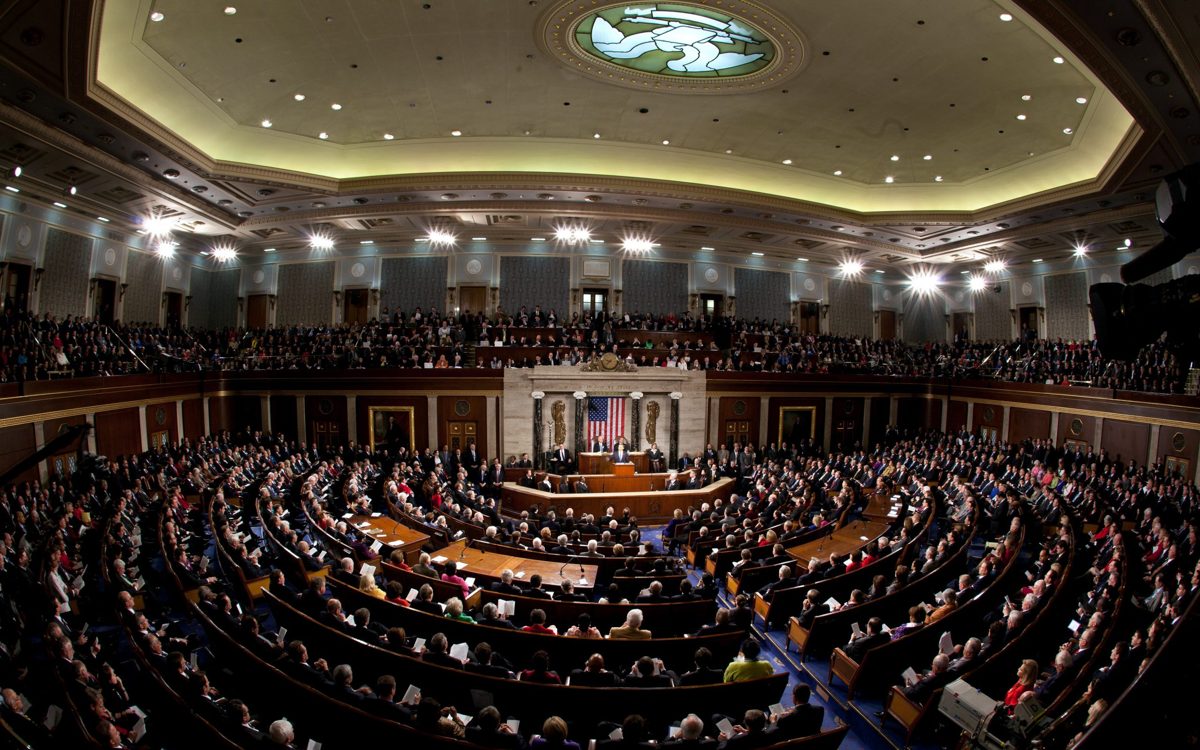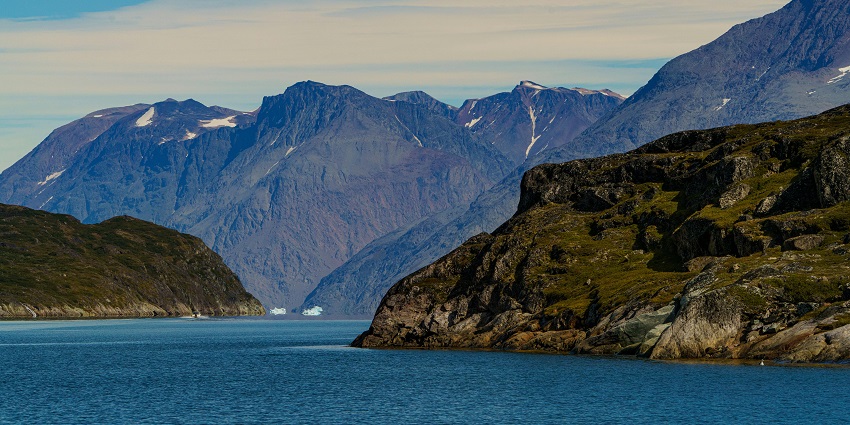
Greenland's parliament has voted to ratify a security agreement with the United States and Denmark that will substantially expand the American military footprint on the Arctic island, ending months of open tension over Washington's ambitions there. The Inatsisartut approved the trilateral deal on Tuesday by 16 votes to none, with seven members abstaining — a result that gives the agreement a clear majority while also recording, in the abstentions, that it was far from unanimous.
The vote is the first parliamentary hurdle for an agreement signed in September by US President Donald Trump, Danish Prime Minister Mette Frederiksen and Greenlandic Prime Minister Jens-Frederik Nielsen on the sidelines of the United Nations General Assembly in New York. It now goes to Denmark's parliament, which is expected to hold its final vote on 19 November. The deal will enter into force once both the Greenlandic and Danish parliaments have approved it; no approval from the US Senate is required.
Table of Contents
- A vote with no opposition — and seven abstentions
- What the deal actually does
- From takeover threats to a negotiated text
- What still has to happen in Copenhagen
- Why the Arctic, why now
- The questions the vote did not settle
- Key takeaways
- Frequently Asked Questions
- Sources
- Chronicle further reading
A vote with no opposition — and seven abstentions
The headline figure — 16 in favour, none against — understates the politics of the day. Seven of the chamber's 31 members chose to abstain rather than back the text, a signal that unease about the deal's terms, and about the circumstances in which it was negotiated, has not disappeared simply because the agreement has been signed. Reporting of the debate noted that some opposition members questioned the economic value Greenland would get from the arrangement, even as they stopped short of voting it down.
Greenlandic Foreign Minister Mute Egede described ratification as an important step for the island, according to Reuters. That framing captures the government's argument throughout: that a formal, negotiated agreement is preferable to an open-ended confrontation with an ally that had repeatedly said it wanted to take control of the territory.
What the deal actually does
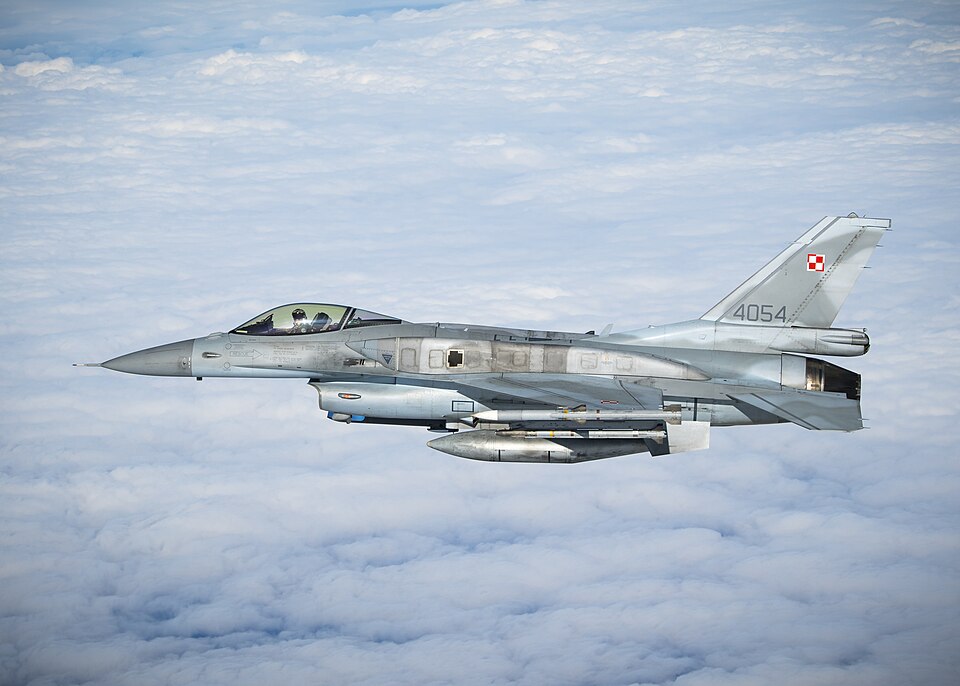
At its core, the agreement updates a 1951 defence pact and gives the United States a much larger role in Greenland's security. Al Jazeera reports that it paves the way for more US bases on the island and allows Washington to modernise and expand its activities at Pituffik Space Base, the remote American installation in north-west Greenland. Reuters, cited in multiple reports of the vote, puts a number on that expansion: two new American military bases, alongside scope for President Trump's proposed "Golden Dome" missile defence system.
Two safeguards in the text matter as much as the bases themselves. First, Greenland remains under Danish control — the agreement does not transfer sovereignty, and it expressly preserves Greenlanders' right to self-determination. Second, the deal would still apply if Greenland eventually chooses independence, so a future constitutional change would not automatically unwind the security arrangement. A further provision, reported by Gulf News, bars countries outside the European Union and NATO from strategic sectors in the territory, a clause aimed at limiting Chinese or Russian influence through investment.
In practical terms, the agreement is designed to do two things at once: give the United States the Arctic military access it has been demanding, and give Denmark and Greenland a written, parliamentary-backed framework that keeps that access inside an alliance relationship rather than outside it.
From takeover threats to a negotiated text
The deal cannot be understood without the pressure that preceded it. For months, President Trump repeatedly argued that the United States should control Greenland, a self-governing Danish territory, citing its strategic location between North America and Europe and its mineral resources. The demands strained relations with Denmark, a NATO ally, and alarmed other European governments, which saw in them a challenge to the basic principle that allied territory is not up for grabs.
The September signing was presented as a way out of that impasse: Washington would get a greatly expanded security presence, while Copenhagen and Nuuk would keep sovereignty intact. Tuesday's vote tests whether that bargain is acceptable in Greenland itself. The absence of any vote against suggests it is, at least as a better alternative than continued confrontation — but the seven abstentions show that a significant minority in the chamber was unwilling to endorse it outright.
The episode also fits a wider pattern in Washington's Arctic policy this year, in which the United States has pushed allies to accept a larger American security role in the far north. Readers can follow that thread in our earlier coverage of US Arctic diplomacy in Iceland and of Washington's push for Greenland's mineral resources.
What still has to happen in Copenhagen
Greenland's vote is necessary but not sufficient. Denmark's parliament must also ratify the agreement before it can take effect, with a final vote scheduled for 19 November, according to Arab News. Because the agreement is structured as an executive agreement on the American side, it does not need the two-thirds majority in the US Senate that a formal treaty would require — a detail that removes one potential veto point in Washington but also means the deal rests on presidential rather than treaty authority in the United States.
If Copenhagen approves on schedule, the agreement would enter into force once both parliaments have completed their processes and Washington has been formally notified. Only then would construction of new facilities, and the modernisation work at Pituffik, be able to proceed under the new legal framework.
Why the Arctic, why now
The Arctic's strategic value has risen sharply as sea ice retreats and new shipping routes open, and as Russia rebuilds its northern military infrastructure and China declares itself a "near-Arctic" state with growing commercial and scientific interests in the region. For the United States, Greenland sits at the centre of that map: it overlooks the North Atlantic approaches to North America, hosts early-warning and space-tracking facilities, and offers a platform for monitoring both Russian activity and transatlantic sea lanes.
That geography explains why successive American administrations have valued the existing base at Pituffik, and why the current administration has gone further, seeking a presence large enough to support missile defence as well as surveillance. It also explains why Denmark and Greenland, while resisting any change of sovereignty, have been willing to negotiate expanded access: refusing outright would have left the sovereignty dispute unresolved and the alliance relationship damaged, while a negotiated deal converts American demands into defined, reversible commitments inside NATO structures.
The questions the vote did not settle
Several important questions remain open. The first is economic: what, concretely, Greenland gains from hosting a larger American presence — in jobs, infrastructure investment and revenue — beyond the security guarantee itself. Opposition scepticism on this point was visible in Tuesday's debate, and it is likely to return when specific base projects are announced.
The second is environmental and social. New bases in a fragile Arctic environment, and a larger transient military population, will raise questions about land use, local consultation and the impact on Greenlandic communities that were only partly addressed in a parliamentary vote on a framework text.
The third is durability. An agreement that rests on executive authority in Washington and on a contested parliamentary majority in Nuuk could be tested by a change of government on either side, or by a future Greenlandic independence referendum. The clause keeping the deal in force even after independence is designed to answer that concern — but it will itself be politically contested if independence ever becomes a live prospect.
Key takeaways
- Greenland's parliament ratified the US–Denmark security deal 16–0, with seven abstentions, on 3 November 2026.
- The deal paves the way for two new US military bases and modernisation at Pituffik Space Base, and covers the proposed "Golden Dome" missile defence system.
- Greenland remains under Danish sovereignty, with Greenlanders' right to self-determination preserved; the deal would still apply if Greenland later chose independence.
- Denmark's parliament is due to hold its final vote on 19 November; no US Senate approval is required.
- The agreement updates a 1951 defence pact and blocks non-EU, non-NATO countries from strategic sectors in Greenland.
Frequently Asked Questions
What did Greenland's parliament vote on?
It voted to ratify a trilateral security agreement signed in September 2026 by the United States, Denmark and Greenland. The deal expands the US military presence in Greenland, modernises Pituffik Space Base and strengthens security cooperation in the Arctic and North Atlantic, while keeping Greenland under Danish sovereignty.
What was the result of the vote?
The agreement passed 16–0, with seven members of the Inatsisartut abstaining. No lawmaker voted against it, but the abstentions show that a significant minority declined to endorse the text.
Does the deal hand Greenland to the United States?
No. The agreement expressly keeps Greenland under Danish control and preserves Greenlanders' right to self-determination. It expands American military access; it does not transfer sovereignty.
What happens next?
Denmark's parliament must also ratify the agreement, with a final vote scheduled for 19 November 2026. The deal enters into force once both parliaments have approved it. Approval by the US Senate is not required.
Why does the United States want a larger presence in Greenland?
Greenland's location between North America and Europe makes it central to Arctic surveillance, missile warning and North Atlantic security, and its position has grown more valuable as Arctic shipping routes open and as Russia and China increase their activity in the region.