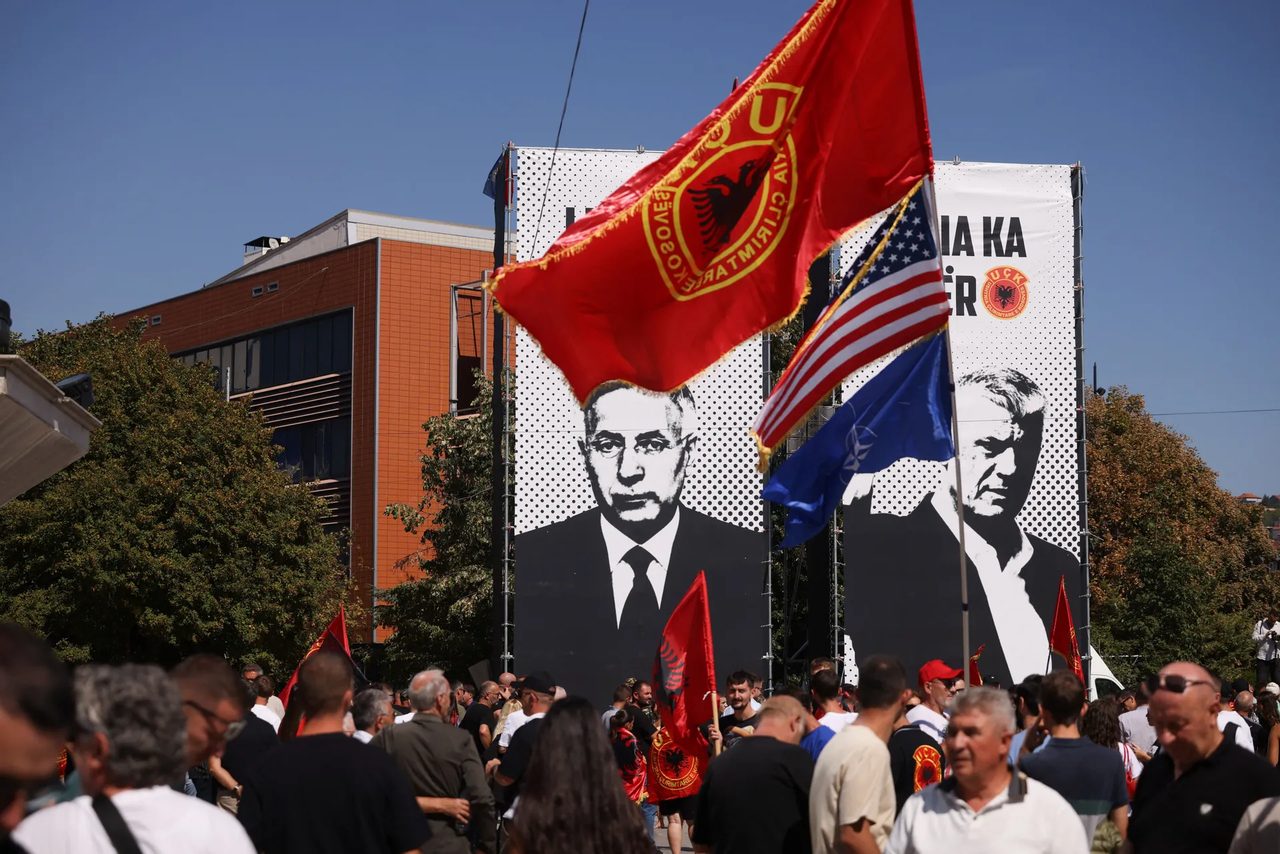
Kosovo police fired tear gas and used water cannon on Monday to disperse protesters who threw firecrackers and stones at officers guarding parliament and government buildings in central Pristina, as lawmakers took the first steps toward a law that would sharply limit the powers of the Hague-based war crimes court that convicted former president Hashim Thaci. Police said at least 17 people were injured, including six officers, and three protesters were detained.
The unrest, reported by Reuters, underscores the deep anger still simmering in Kosovo weeks after the Kosovo Specialist Chambers sentenced Thaci and three fellow former Kosovo Liberation Army (KLA) commanders to a combined 81 years in prison for war crimes committed during and after the 1998–99 war with Serbia.
What the bill would do
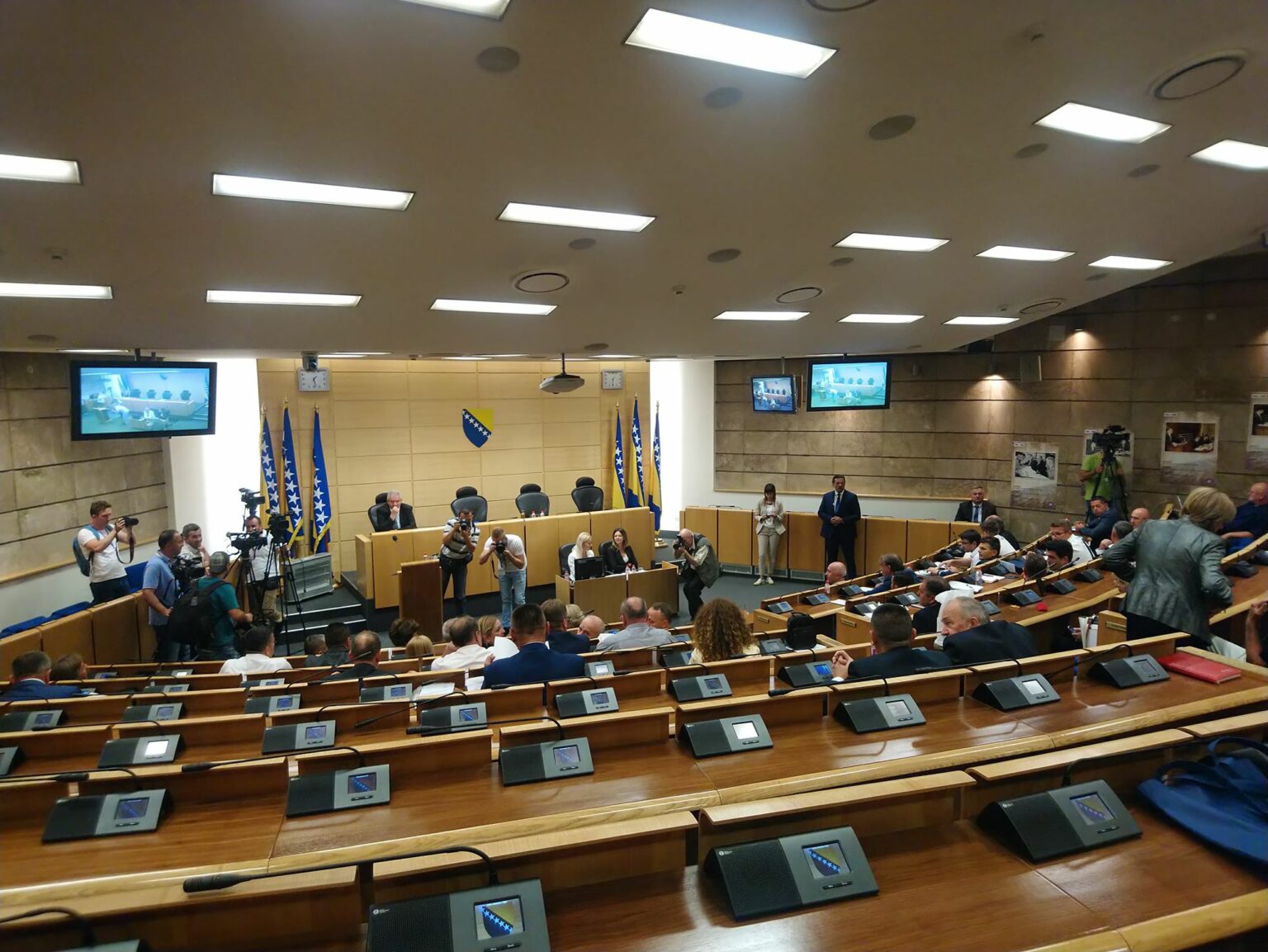
Earlier on Monday, lawmakers approved the first reading of amendments to the law that established the Specialist Chambers, the court created in 2015 under international pressure to prosecute former KLA fighters. Demonstrators later surrounded parliament, preventing lawmakers from leaving and demanding an immediate second vote, which is required to pass the legislation.
The proposed amendments would cap all prison sentences at 15 years, allow defendants to appeal verdicts to Kosovo's own Supreme Court, permit convicted individuals to serve their sentences inside Kosovo, and give the country's president the power to grant amnesty to those convicted. Each of those provisions would fundamentally rewire a court deliberately designed to operate outside Kosovo's domestic political system.
The bill was presented by Thaci's former party, the Democratic Party of Kosovo (PDK). Prime Minister Albin Kurti struck a sceptical tone in parliament, calling the move "rushed and insufficiently analysed and thought through," and — despite backing the first vote — he and his party declined to support the second vote on the same day.
A court Kosovo never fully embraced
The Specialist Chambers were established under Kosovo law but seated in The Hague, staffed by international judges and prosecutors — a design meant to insulate war crimes trials from the political pressures of Pristina. That insulation is precisely what has made the court so unpopular at home.
On September 16, the tribunal convicted Thaci, 58, of war crimes including murder, torture, cruel treatment and arbitrary illegal detention committed while he served as a senior KLA commander. He was sentenced to 25 years in prison; co-defendants Jakup Krasniqi received 25 years, Kadri Veseli 18, and Rexhep Selimi 13. All four have appealed.
The court found Thaci criminally responsible for the murder of 96 political opponents and perceived collaborators with Serbian security forces, the illegal detention of 385 people, the torture of 303, and the cruel treatment of 49 others — none of them active participants in hostilities at the time. Prosecutors had sought up to 45 years. Thaci, who resigned the presidency in 2020 to face the charges, denied them throughout the nearly three-year trial and stood in silence as the sentence was read.
Heroes to many, convicts to the court
The ruling was closely watched on both sides of the border that still divides ethnic Kosovo Albanians and Serbs. In Kosovo, the four men are widely regarded as national heroes who fought to free the territory from Serbian rule, and thousands rallied in Pristina over the weekend before the verdict, many carrying red-and-black Albanian flags. Protests have continued since, expanding to multiple cities, with demonstrators denouncing the court as politically biased.
International war crimes justice rarely lands quietly — the unsealing of the ICC's arrest warrants for Taliban leaders drew a similar mix of acclaim and fury — but the Kosovo case carries an extra edge: the defendants were the founders of the state itself. The clash in Pristina on Monday was less about a single bill than about whether Kosovo's institutions can survive the verdicts of the court they were pressed to create.
Analysts warn the amendment fight could further polarise one of Europe's poorest nations. If the law passes in its current form, Western backers of the court — who insisted on its independence as the price of Kosovo's statehood — are widely expected to object, potentially reopening the fraught question of how far Kosovo's sovereignty actually extends. For now, the tear gas has cleared from the streets around parliament. The political storm it signalled has not.
Table of Contents
Frequently Asked Questions
What happened in Pristina on October 5?
Police clashed with protesters outside Kosovo's government and parliament buildings. Demonstrators threw firecrackers and stones; police responded with tear gas and water cannon. At least 17 people were injured, including six police officers, and three protesters were detained, according to police figures reported by Reuters.
What law are the protesters demanding?
The demonstrators want parliament to pass amendments to the law establishing the Kosovo Specialist Chambers, the Hague-based war crimes court. The bill would cap prison sentences at 15 years, let defendants appeal to Kosovo's Supreme Court, allow sentences to be served in Kosovo, and let the president grant amnesty to convicts.
What was Hashim Thaci convicted of?
Thaci was convicted of war crimes — murder, torture, cruel treatment and arbitrary illegal detention — committed as a senior commander of the Kosovo Liberation Army during and after the 1998–99 war with Serbia. He was sentenced to 25 years in prison on September 16, 2026. Three co-defendants received sentences of 25, 18 and 13 years. All four are appealing, and a separate obstruction-of-justice case against Thaci remains in detention review.