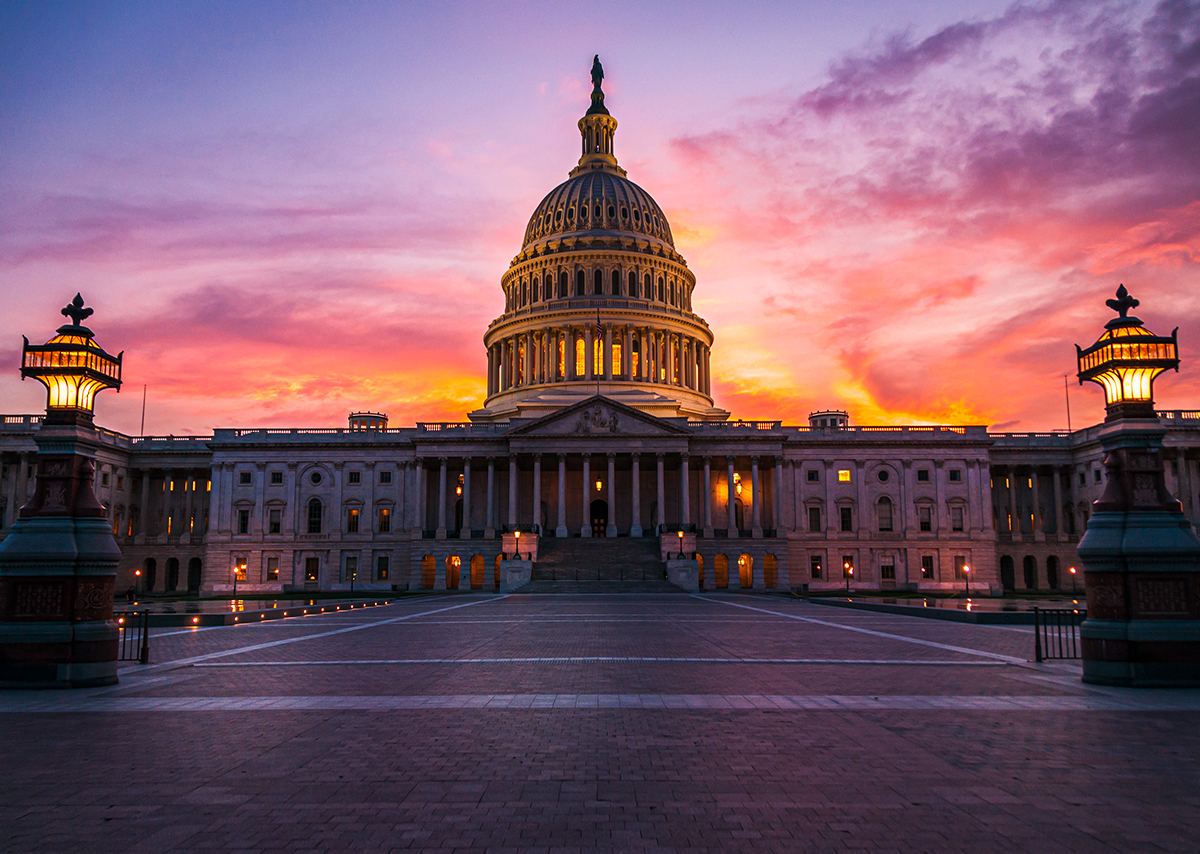
The federal government is open right now. President Donald Trump signed a stopgap funding bill — the Continuing Appropriations and Extensions Act, 2027 (H.R. 6500) — in early September, keeping federal agencies operating at current funding levels through December 11, 2026, according to Reuters. That means there is no shutdown, and no funding lapse hanging over the country — for now. The next deadline is December 11, just over a month after the November midterm elections.
Table of Contents
- The Short Answer: Open Through December 11
- How the Deal Got Done
- What a Continuing Resolution Actually Does
- Why There Was No October 1 Shutdown
- What Happens in a Shutdown — and What Is Protected
- Key Dates and Deadlines Ahead
- Key Takeaways
- Frequently Asked Questions
- Sources
- Read Next on Chronicle
The Short Answer: Open Through December 11
As of October 5, 2026, every federal agency is funded and operating. The stopgap bill signed last month extends current spending through December 11, 2026, buying lawmakers roughly 15 more weeks to negotiate a full-year budget for fiscal year 2027, which began October 1, per Reuters.
The timing was deliberate. December 11 falls about five weeks after the November 3 midterm elections, when control of Congress is at stake — pushing the next funding fight safely past Election Day, as Reuters reported.
How the Deal Got Done
Congress moved early this time, precisely to avoid the last-minute brinkmanship of past cycles. The Senate passed the measure on August 8 by a lopsided 90–6 vote, following a bipartisan deal, and the House approved it on September 1 by 370–48 — easily clearing the two-thirds majority needed to fast-track the bill under suspension of the rules, according to Breaking Defense.
"This clean, short-term continuing resolution simply keeps the government open, protects the progress we've made, and preserves the path to full-year appropriations," House Appropriations Committee Chairman Tom Cole said on the House floor, per Breaking Defense. Trump signed it into law on September 2–3, about a month before the October 1 start of the new fiscal year — an unusually early resolution compared with past funding fights that typically went down to the wire.
What a Continuing Resolution Actually Does
A continuing resolution (CR) is not a real budget. It is a temporary funding patch: it keeps federal agencies running at their existing spending levels instead of setting new budgets for the year ahead, as Tamara News explained. For the Defense Department, for example, the CR ensures current weapons programs are funded at fiscal 2026 levels and prevents a scenario in which civilians are furloughed and troops must work without pay, Breaking Defense reported.
The bill also quietly blocked a controversial Office of Management and Budget proposal: through December 11, OMB cannot issue or finalize its proposed Regulation for Federal Financial Assistance, which would rewrite the governmentwide rules governing federal grants to universities, nonprofits, and researchers, according to ASME. Both the funding and the block are temporary.
Why There Was No October 1 Shutdown
The fear was real. Since the beginning of Trump's second term, Congress has been consumed by contentious fights between the Republican majority and the Democratic minority, producing three partial government shutdowns totaling an unprecedented 161 days, as Reuters reported. The disputes centered on health insurance subsidies and checks on federal immigration enforcement powers.
Past lapses included a 43-day shutdown in October and November 2025 — the longest full shutdown in US history — and a 76-day Department of Homeland Security funding lapse earlier in 2026, per market commentary from Ziro Market and reporting carried by KCN Online. This time, neither party wanted a fourth shutdown hanging over voters' heads as they ran for re-election, with Americans already angry about high food and housing prices, according to Reuters.
What Happens in a Shutdown — and What Is Protected
If Congress misses a funding deadline, federal agencies lose their authority to spend money. But a shutdown does not mean everything stops. Under long-standing practice:
- Essential services continue. Military operations, air traffic control, and Social Security payments generally continue unabated, even as thousands of nonessential employees are furloughed; furloughed workers receive backpay once funding resumes, according to a compliance bulletin from the NEFI compliance archive.
- Economic data goes dark. During the October–November 2025 shutdown, the Bureau of Labor Statistics furloughed most of its staff, delaying releases like the September 2025 jobs report and inflation data for weeks after funding resumed, per Ziro Market. The Federal Reserve itself is unaffected, since it is funded through its own earnings rather than congressional appropriations, according to MarketsNXT.
- Travelers feel it indirectly. TSA officers and air traffic controllers are considered essential and keep working, but they work without pay during a lapse, which can strain staffing over time. In past lapses, national parks have operated with reduced services.
- Markets have treated brief shutdowns as noise. When the October 2025 lapse began, stocks recovered within the session; analysts reserve a bigger reaction for shutdowns stretching beyond two to three weeks, per Ziro Market.
Key Dates and Deadlines Ahead
The calendar that matters now:
- November 3, 2026 — Midterm elections. Party control of Congress is at stake, and the results will be "a major factor" in who has the upper hand in funding negotiations, Reuters reported.
- December 11, 2026 — Current funding expires. Congress must pass another continuing resolution or complete full-year appropriations before this date to avoid a funding lapse, per ASME.
- December 2026 — The hard part. With the deadline delayed 15 weeks, Congress faces the "potentially arduous task of writing and passing the 12 full-year spending bills" — having so far completed none of them, according to Reuters. The Alliance for Vision Research notes Congress could complete FY27 appropriations in the post-election session, pass another short-term extension, or carry the debate into the new Congress that begins January 3, 2027, per Eye Research.
- Longer term. The stopgap bill addresses none of the country's major fiscal problems: the national debt crossed the $40 trillion threshold in September 2026, and Washington has failed to address voters' top concern of affordability, Reuters reported.
Key Takeaways
- The US federal government is open as of October 5, 2026 — there is no shutdown.
- The Continuing Appropriations and Extensions Act, 2027 (H.R. 6500), signed in early September, funds agencies at current levels through December 11, 2026.
- The Senate passed it 90–6 in August; the House passed it 370–48 on September 1.
- Three partial shutdowns totaling 161 days have already occurred during Trump's second term — this deal was built to avoid a fourth before the midterms.
- In a future shutdown, military operations, air traffic control, and Social Security continue; furloughed workers get backpay; but economic data releases go dark.
- The next fight arrives December 11, with Congress having completed zero of 12 full-year FY2027 appropriations bills.
Frequently Asked Questions
Is the US government shut down right now?
No. As of October 5, 2026, the federal government is fully funded and open. A continuing resolution signed by President Trump in early September keeps agencies operating through December 11, 2026, according to Reuters.
When does the current funding expire?
At the end of December 11, 2026. Congress must pass another stopgap bill or full-year appropriations before that date, or agencies will lose their funding authority, per ASME.
What is a continuing resolution?
A continuing resolution (CR) is a temporary funding patch that keeps federal agencies running at their existing spending levels — not a full-year budget. It delays the deadline while Congress negotiates, as Tamara News explained.
Will Social Security payments stop during a shutdown?
Generally no. Social Security payments are among the essential operations that continue during a funding lapse, though some customer service and administrative functions can slow, according to the NEFI compliance bulletin.
Do federal workers still get paid in a shutdown?
Workers deemed essential — such as active-duty military, TSA officers, and air traffic controllers — keep working but typically go without pay until funding is restored. Nonessential employees are furloughed and also receive backpay once the shutdown ends, per the NEFI compliance bulletin.
What closes during a shutdown?
National parks and federal lands typically operate with reduced staffing and services; federal offices close for nonessential business; economic data releases like the monthly jobs report are suspended; and new federal contracts, grants, and permit approvals stall. Essential functions — military, law enforcement, air traffic control — keep running.
Why was the deadline set for December 11?
December 11 falls just over a month after the November 3 midterm elections. Lawmakers on both sides preferred to push the next funding fight past Election Day rather than campaign during closed parks and delayed federal paychecks, according to Reuters.
Could there still be a shutdown in December?
Yes, it is possible. Congress has completed none of the 12 full-year appropriations bills for FY2027, and if no new stopgap passes by December 11, funding will lapse. But with three shutdowns totaling 161 days already on record this term, both parties have shown they fear voter backlash over another lapse, Reuters reported.
Sources
- Reuters — October 2026 (crawled Sept. 2026 report): "Trump signs bill to avert government shutdown before midterm elections."
- Breaking Defense — September 2026: "House passes funding stopgap, averting government shutdown in October."
- ASME — September 2026: "Congress Prevents Government Shutdown and Delays OMB Rule."
- Eye Research (Alliance for Vision Research) — September 2026: "Legislative Update - September 2026."
- Tamara News — October 2026: "Government Funding Deadline: What Happens Next."
- Ziro Market — October 2026: "US Govt Shutdown Oct 2026 — India Impact."
- MarketsNXT — October 2026: "US Shutdown Oct 2026: A Data Blackout the Fed Cannot Ignore."
- NEFI compliance bulletin — 2025: "Government Shutdown: What You Need to Know."
- KCN Online — March 2026: "U.S. Senate Still Snarled Over DHS Shutdown."