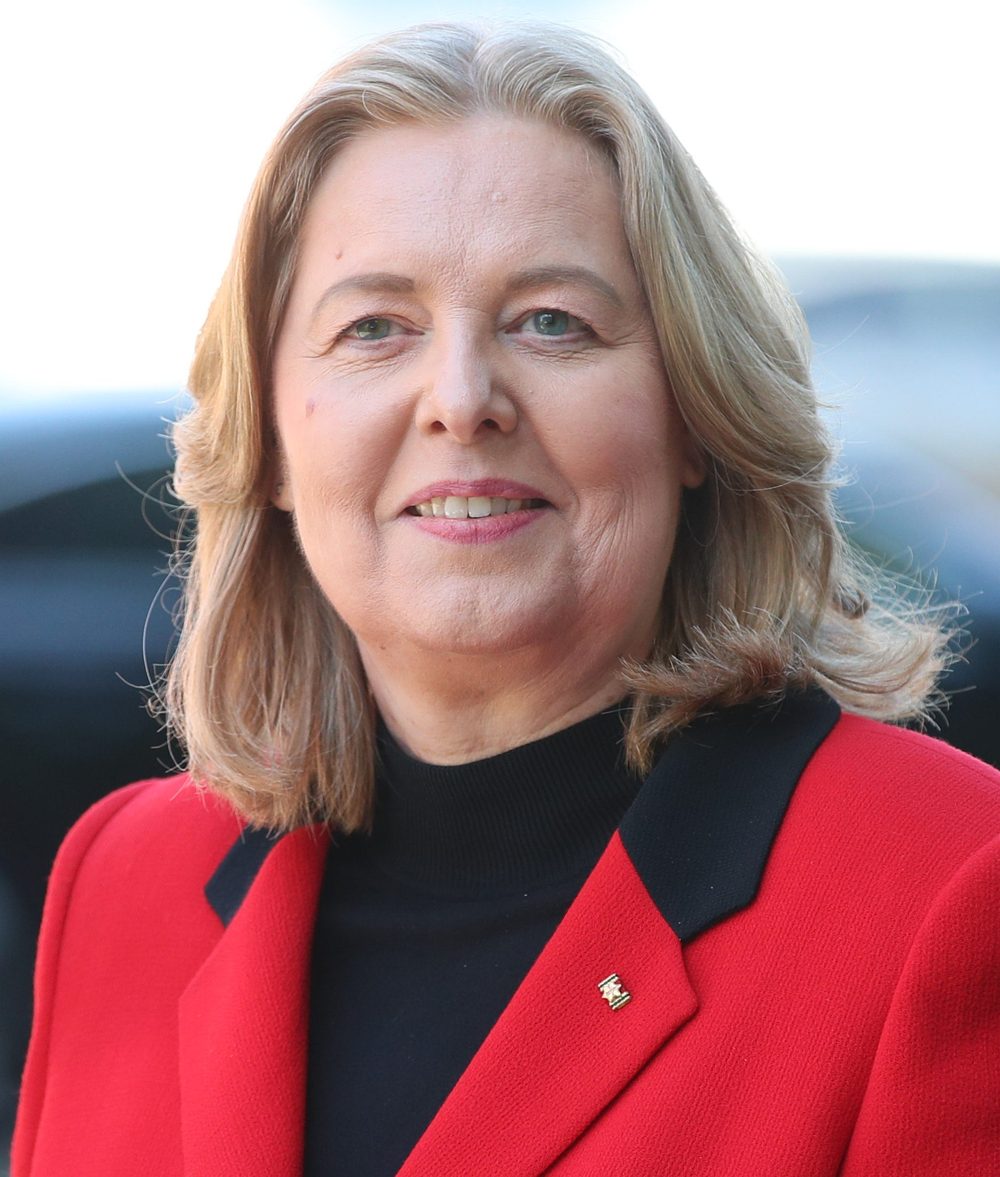
Bärbel Bas, Germany's federal labour minister and co-head of the centre-left Social Democratic Party (SPD), announced on Monday that she is stepping down from both roles — a sudden double departure that deepens the pressure on Chancellor Friedrich Merz's already strained coalition.
"After my stepdaughter's death, I realized that I need time to come to terms with my grief," Bas said in a personal statement reported by Reuters. The minister, whose portfolio covered large parts of Germany's welfare system, also pointed to intensified "public attacks" against her, including from within the SPD's own conservative coalition partners.
Vice Chancellor and Finance Minister Lars Klingbeil — who led the SPD jointly with Bas — condemned the attacks in a statement: "The attacks against her during the past days of her mourning were inappropriate. That is unacceptable."
It was not immediately clear who would succeed Bas in either role. She said she would keep her mandate as a member of parliament.
A personal tragedy, then a political storm
Bas's announcement makes her one of the most senior casualties of a coalition government that has been under near-constant strain since Merz's conservatives took power with the SPD as junior partner. The resignation is notable not only for its personal dimension — stepping away to grieve — but for its explicit political accusation: that attacks kept coming even in the days after her stepdaughter's death, and that some of them came from the coalition's own ranks.
Bas asked the Chancellor to relieve her of the labour ministry, while her tenure as party co-chair ends immediately. In German politics, where the labour ministry steers pensions, welfare and labour-market policy, her successor will inherit one of the most contested portfolios in Berlin.
The coalition's reform dilemma
The resignation lands at a sensitive moment. In July, Merz's government announced a package of 34 reform measures covering pensions, taxation, bureaucracy and the labour market, and the Chancellor had aimed to push them through by the end of the year. But state election losses have pulled the coalition partners in opposite directions.
The SPD has been demanding a cap on long-term care costs and wants privately insured Germans to share the burden — proposals the CDU rejects outright on legal and financial grounds. Both major parties and the SPD leadership want to preserve the option of retiring without pension deductions after 45 years of contributions; the conservative bloc's business wing insists on phasing it out. And Klingbeil's plans for new revenue measures to consolidate the budget face fierce resistance from CDU state premiers opposed to any tax increases.
That friction was part of the broader tension over German coalition politics this year, with Merz's approval ratings plunging after the CDU's defeats at the ballot box and only about one in ten Germans thinking he is up to the job, according to recent polling.
What happens next
Bas's twin vacancies create a two-front problem. The SPD must quickly settle its leadership question — a party already under pressure from poor polling and internal demands for renewal — while Merz must find a new labour minister willing to drive the government's most politically explosive reform agenda.
Whoever takes the ministry will face the same tightrope: pushing through welfare and pension reforms that the CDU demands while defending the social protections the SPD's base expects. Bas's departure, framed explicitly as a protest against the tone of the attacks, may make that job even harder to fill.
For Merz, the timing is uncomfortable. The next major electoral test comes in April in North Rhine-Westphalia, Germany's most populous state — and a coalition that loses one of its most prominent ministers to internal hostility will arrive there with its divisions in plain sight.
Frequently Asked Questions
Who is Bärbel Bas?
Bärbel Bas was Germany's federal minister for labour and social affairs and the co-head (with Lars Klingbeil) of the centre-left Social Democratic Party (SPD), the junior partner in Chancellor Friedrich Merz's coalition government.
Why did she resign?
She cited two reasons in her statement: she needs time to grieve after her stepdaughter's death, and she has faced intensified public attacks — including from members of her own conservative coalition partners — during her mourning.
What happens to her positions now?
Her tenure as SPD co-chair ends immediately. She has asked Chancellor Merz to formally relieve her of the labour ministry, and no successor has yet been named. She will retain her seat in parliament.
How does this affect the Merz government?
It deepens the strain on an already divided coalition. The new labour minister will inherit a fiercely contested welfare and pension reform agenda, while the SPD faces a leadership transition ahead of key state elections.
Has the SPD had leadership troubles before?
Yes. The party has faced poor polling and internal pressure for renewal this year, including calls from local party branches for a shake-up of the national leadership and an open process to choose future chairs.