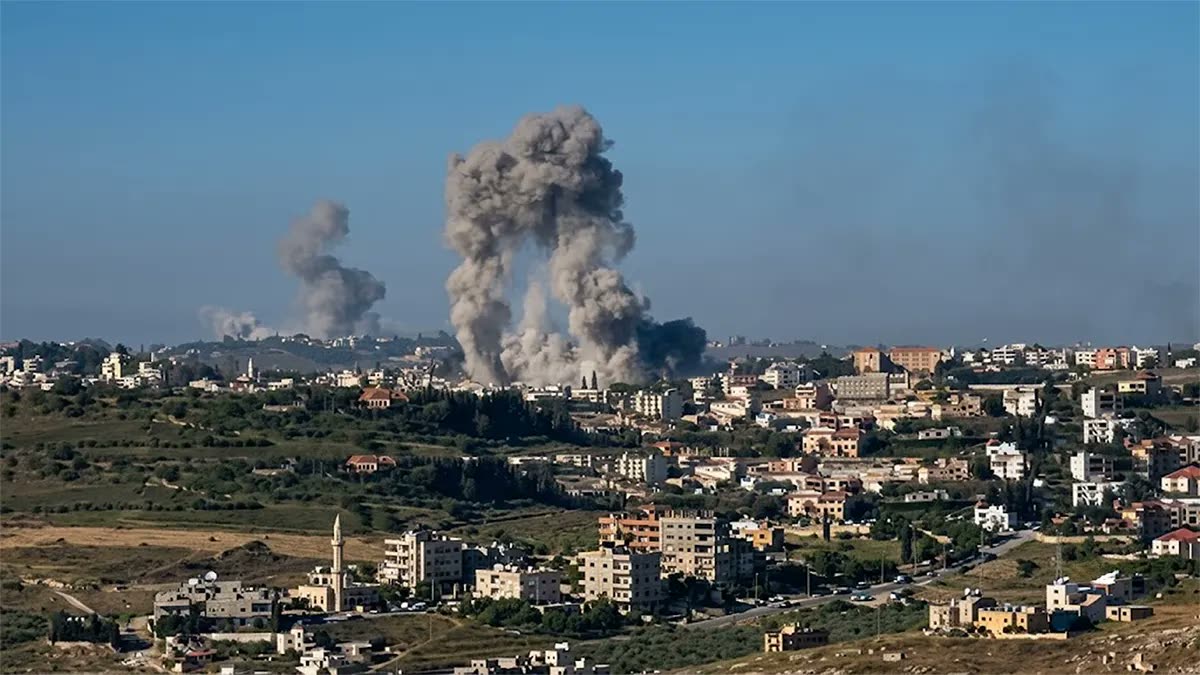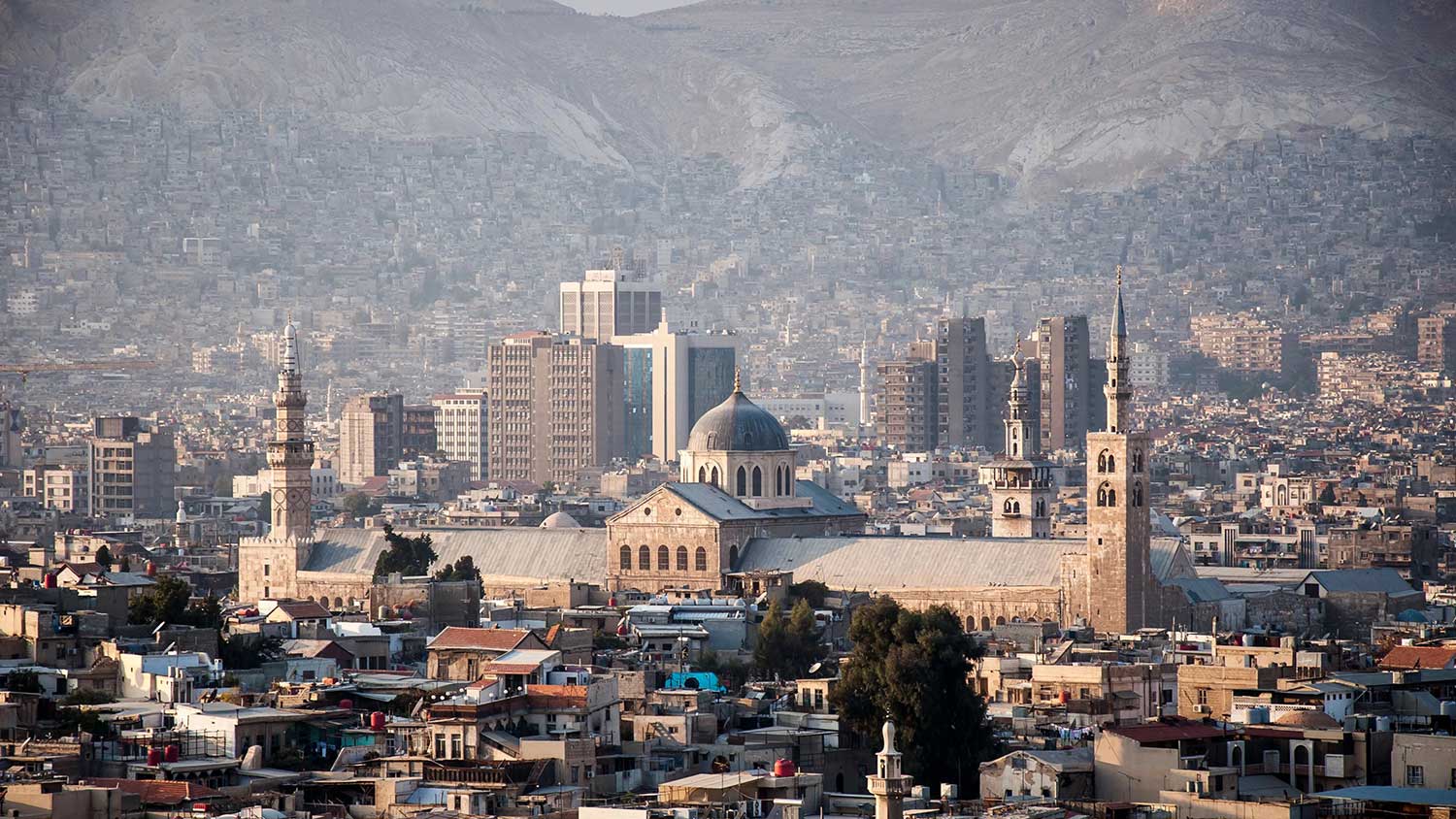
Syria's security map is being redrawn at speed. The Kurdish-led Syrian Democratic Forces (SDF) have agreed to dissolve as an independent military force and merge into the new Syrian army, Israeli operations in southern Syria are escalating — Israeli troops killed a man at an outpost in occupied southern Syria overnight on October 5 — and Islamic State cells continue to strike at infrastructure and security forces. This hub tracks the latest Syria military news, updated regularly.
Table of Contents
- Latest Developments (Updated October 5, 2026)
- The SDF Dissolution: What the Deal Says
- Syrian Government Advances in the East
- Israeli Strikes and the Southern Security Zone
- Turkey's Role: Fidan in Damascus
- ISIS Remnants and Security Threats
- The US Position
- Key Takeaways
- Frequently Asked Questions
- Sources
- Read Next on Chronicle
Latest Developments (Updated October 5, 2026)
- Israeli troops killed a suspect at an outpost in southern Syria. In the early hours of Monday, October 5, IDF soldiers shot and killed a man who allegedly tried to infiltrate an army outpost in the "Security Zone" in southern Syria, per Haaretz and Arab News. No Israeli casualties were reported. The National notes the military provided no identification of the man nor evidence he was armed.
- Israeli earthworks near Quneitra. More than seven Israeli bulldozers were reported operating near Al Rafid, digging trenches along the 1974 disengagement line inside Syrian territory as part of the "Sufa 53" barrier project. Syria's Foreign Ministry condemned the works as a breach of the 1974 Disengagement Agreement, per The National.
- Damascus–SDF ceasefire holding, uneasily. After two days of rapid government advances into eastern provinces in mid-September, the SDF agreed to cede Deir Ezzor and Raqqa provinces and withdraw toward Hasakah under a comprehensive ceasefire, per The National. Sporadic exchanges of fire near ISIS prisons and other flashpoints continue, according to Panorama.
- Energy infrastructure under attack. A gas pipeline explosion near the Tishreen thermal power plant on October 1 knocked three power-generation stations offline, part of a wave of attacks on energy facilities, per Enab Baladi.
The SDF Dissolution: What the Deal Says
The biggest structural shift in Syria in a decade is the end of the SDF as an independent force. On August 25, 2026, SDF commander-in-chief Mazloum Abdi announced in a televised press conference in Damascus that, following an agreement with Syrian President Ahmad al-Sharaa, the SDF's mission had ended and it was being dissolved "as an independent military force" and integrated as brigades into the Syrian army, per The Jerusalem Post. The announcement also covered the Autonomous Administration of North and East Syria and its affiliated institutions, which are being integrated into Syrian state structures.
That followed a January 29 agreement that set the framework: a comprehensive ceasefire, SDF withdrawal east of the Euphrates as a first step, and the full administrative and military handover of Deir al-Zour and Raqqa provinces — including civil institutions and public facilities — to Damascus, per China Daily (citing SANA). SDF personnel are to be integrated individually into the interior and defence ministries after security vetting, with ranks, salaries, and benefits granted under state regulations — not as a single intact unit, according to The National.
The human cost of the transition is already visible. As part of the integration deal, Kurdish is set to be taught for just three hours a week in northeast Syria's schools during a transitional year — a sharp cutback that drew hundreds of children into the streets of Qamishli in September chanting for constitutional recognition of their language, per Drop Site News. A government negotiator conceded the settlement "didn't go far enough" for Kurdish areas.
Syrian Government Advances in the East
The September ceasefire was forced by facts on the ground. In mid-September, the Syrian army made rapid advances into the two eastern provinces, and the SDF — facing what observers described as a strategic takeover rather than a limited pressure operation — agreed within days to withdraw forces from Raqqa and Deir ez-Zor to Hasakah, per Panorama.
The stakes are economic as well as territorial: major oil fields in Deir ez-Zor, hydroelectric dams on the Euphrates, and critical agricultural lands are passing to central-government control for the first time in more than a decade, according to Panorama. Hasakah province and a pocket around Kobani (Ain al-Arab) are now the SDF's last significant areas of presence, per The National.
Israeli Strikes and the Southern Security Zone
Israel has been the most persistent military actor in Syria since the fall of Bashar al-Assad's regime in December 2024. In an address to the UN General Assembly last month, President al-Sharaa accused Israel of carrying out roughly 500 air and artillery strikes and more than 1,200 incursions into Syrian territory, saying they threaten Syria's stability and violate international law, per Haaretz.
Recent weeks have been especially active:
- Damascus strikes. A suspected Israeli strike on an apartment building in the Mezzeh neighborhood of Damascus killed civilians — Syria says seven, the Syrian Observatory for Human Rights says 13 including nine civilians and two Hezbollah members — with the strike targeting a building reportedly frequented by leaders of Iran's "Axis of Resistance," per Inland News Today.
- Quneitra and Daraa. A Syrian police officer was killed in an Israeli strike near Quneitra, and Israeli forces have conducted overnight incursions, detentions, and shelling in Daraa province and western Damascus countryside, according to GeoBit and Turkiye Today.
- The "Sufa 53" barrier. Israel is expanding earthworks and trenches inside Syrian territory along the 1974 line — activity Syria calls a breach of the Disengagement Agreement, per The National.
Israel says its troops — deployed in southern Syria since December 2024 — are there to defend its border and prevent terrorist threats from consolidating near it, and that it intends to keep forces in the "security area," per Arab News. For context on the Lebanon front, see Israel–Lebanon news.
Turkey's Role: Fidan in Damascus
Turkey has been a quiet winner of the new order. On September 13, Turkish Foreign Minister Hakan Fidan visited Damascus and called the SDF's dissolution and integration into Syrian state institutions a "valuable" step, emphasizing Syria's "unity, territorial integrity and sovereignty," per Rudaw. The talks covered expanding political, security, and economic cooperation, the repatriation of Syrian refugees from Turkey, and regional transport links.
Ankara views the SDF's main Kurdish element, the YPG, as an extension of the PKK — designated a terrorist organization by Turkey — so the end of SDF autonomy fulfills a long-standing Turkish objective, according to Rudaw. Former SDF fighters have been incorporated into the Syrian army as brigades while remaining deployed in the Kurdish region.
ISIS Remnants and Security Threats
Despite its territorial defeat, ISIS remains an active threat. On September 27, Syrian authorities conducted a coordinated operation arresting alleged ISIS cell members in Raqqa, Aleppo, Idlib, and Homs provinces accused of planning kidnappings and bombings, per GeoBit. Attacks attributed to the group's cells include a bus shooting in Homs province on October 1 that killed seven electricity-company employees, a vehicle-borne explosive near a checkpoint in Deir Ezzor, and strikes on energy infrastructure, according to GeoBit and Enab Baladi.
The security environment is fragmented. Sectarian incidents — such as a sectarian clash in Suqaylabiyah, Hama province on October 3 — sit alongside organized ISIS activity and Israeli operations, suggesting a state with a limited monopoly on violence, per GeoBit. The dissolution of the SDF also raises unresolved questions about the fate of ISIS detention facilities and camps the Kurdish forces had administered — a risk factor Panorama flags as exchanges of fire continue near ISIS prisons.
The US Position
Washington's posture has shifted with the terrain. The United States had supported the SDF's territorial acquisitions and was its main ally in the fight against ISIS during the civil war, per The National. US special envoy Tom Barrack met President al-Sharaa in Damascus around the mid-September agreement, calling it "a pivotal inflection point, where former adversaries embrace partnership over division." Analysts note the Trump administration has signaled it wants a unified Syria rather than a divided country, per Welat TV (citing Haaretz) — a position that complicates Israel's calculations, which had viewed SDF-held areas as leverage, per Haaretz via Welat TV.
Key Takeaways
- The SDF has agreed to dissolve as an independent military force and integrate into the Syrian army and state institutions, following agreements in January and August/September 2026.
- Damascus has retaken Deir Ezzor and Raqqa provinces — including Syria's main oil fields — after rapid advances; Hasakah and the Kobani pocket are the SDF's last significant areas.
- Israeli strikes, incursions, and earthworks continue in southern Syria; al-Sharaa told the UNGA Israel has carried out ~500 strikes and 1,200+ incursions since December 2024.
- Turkey backs the integration process; former SDF fighters join the army as brigades in the Kurdish region.
- ISIS cells remain active, targeting infrastructure and security forces, and the fate of ISIS detention facilities is an open risk.
Frequently Asked Questions
What happened between the SDF and the Syrian government?
After a January 29, 2026 framework agreement, SDF leader Mazloum Abdi announced on August 25 that the SDF was dissolving "as an independent military force" and integrating into the Syrian army. Following two days of rapid government advances in mid-September, the SDF agreed to cede Deir Ezzor and Raqqa provinces and withdraw toward Hasakah under a comprehensive ceasefire, per The Jerusalem Post and The National.
Is there a ceasefire in Syria right now?
A comprehensive ceasefire across all fronts was declared as part of the mid-September agreement, per The National. It is fragile: exchanges of fire continue near ISIS prisons and other flashpoints, Israeli operations in the south proceed regardless, and sectarian incidents flare periodically, according to Panorama and GeoBit.
Why is Israel operating in southern Syria?
Israel says its troops, deployed in southern Syria since December 2024, defend its border and prevent terrorist threats from consolidating nearby, and it intends to maintain a demilitarized "security area," per Arab News. Syria's President al-Sharaa told the UN General Assembly that Israel has conducted roughly 500 air and artillery strikes and over 1,200 incursions, calling them violations of Syrian sovereignty, per Haaretz.
Is ISIS still active in Syria?
Yes. ISIS cells continue to plan kidnappings, bombings, and attacks on infrastructure and security forces. Syrian authorities announced coordinated arrests of cell members across four provinces on September 27, 2026, and attacks in early October killed bus passengers in Homs and damaged a gas pipeline near Damascus, per GeoBit and Enab Baladi.
What is Turkey's position on the SDF deal?
Turkish Foreign Minister Hakan Fidan called the SDF's dissolution and integration "valuable" during a September 13 visit to Damascus. Turkey, which views the YPG as a PKK extension, has long sought the end of SDF autonomy — an objective the integration process fulfills, per Rudaw.
What is the "Sufa 53" project?
It is an Israeli earthworks and trench-digging project along the 1974 disengagement line inside Syrian territory near Quneitra, reported active in early October 2026 with heavy machinery. Syria's Foreign Ministry condemned it as a breach of the 1974 Disengagement Agreement, per The National.
Sources
- The National — October 5, 2026: "Israeli forces kill man in occupied Syrian territory amid incursions."
- Haaretz — October 5, 2026: "Israeli Troops Shoot and Kill Suspect in South Syria Who Tried to Break Into Outpost, IDF Says."
- Arab News — October 5, 2026: "Israeli army says it killed assailant in southern Syria."
- Turkiye Today — October 4, 2026: "Israeli army kills man at southern Syria outpost amid raids, renews work on Sufa 53."
- Enab Baladi — October 4, 2026: "What Is Behind Attacks on Syria's Energy Infrastructure?"
- GeoBit — October 2026: "Syria Security Risk 2026 — Weekly Threat Assessment."
- Rudaw — September 13, 2026: "Fidan calls SDF integration 'valuable' during Damascus talks."
- The National — January 18, 2026: "Kurdish-led fighters cede control of provinces as Syria announces ceasefire."
- The Jerusalem Post — September 2026: "The end of the SDF: What the dissolution means for the Kurds and Sharaa's state."
- China Daily — January 2026: "Syrian interim leader signs agreement with SDF to integrate institutions."
- Drop Site News — September 2026: "The End of Rojava: Kurds in Northeast Syria Face an Uncertain Future."
- Panorama — October 2026: "Damascus regains control of Northeastern Syria in record time."