The trade truce struck between the United States and China in Busan last October will not expire in November after all. Following Chinese President Xi Jinping's state visit to Washington in September, the two sides agreed to extend the ceasefire in their tariff war until January 10, 2027 — a modest but consequential achievement that gives an unstable world economy a few more months of breathing room.
The extension matters less for what it contains than for what it postpones. Neither side walked away from the table with a grand bargain. But neither walked away from the table at all.
What the truce covers
The core agreement is straightforward, according to an analysis published by Free Malaysia Today. China will refrain from enforcing the sweeping export controls on rare earths and related materials it unveiled last October. In return, the United States will refrain from raising tariffs further, holding the overall duty on Chinese goods near the 47 percent level reached in Busan — down from roughly 57 percent before the two leaders shook hands.
Both sides have grumbled about compliance, and analysts caution that neither wants the truce to lapse before the two presidents meet again — first in Shenzhen in November, then in Miami the following month. The meetings, if they happen as planned, will test whether a pause can become something more durable.
Rare earths: China's ace in the hole
The truce's most consequential clause is the one about minerals few consumers have heard of. China accounts for roughly 60–70 percent of global rare-earth mining and 85–90 percent of rare-earth processing — the step that turns mixed ores into the oxides used in electric-vehicle motors, wind turbines, smartphones, and missile-guidance systems.
When it comes to heavy rare earths, Beijing's grip is even tighter: processing of dysprosium and terbium, essential for high-performance magnets, is carried out almost exclusively in China. On an element-by-element accounting, the US and its allies have meaningful non-Chinese extraction capacity for only seven or eight of the 17 rare earths — and essentially no processing capacity of their own.
That imbalance is why the export controls China unveiled last October rattled capitals from Tokyo to Berlin. And it is why the pause on those controls is the truce's real prize for Washington.
The long road to independence
Beijing's leverage will not last forever, but it will not fade quickly either. Australian miner Lynas and US-based MP Materials already ship commercial volumes of lighter elements like neodymium and praseodymium, and within about two years non-Chinese processing could cover five elements rather than effectively none.
Within a decade, independent extraction could cover nearly all light rare earths and most heavy ones. But "within a decade" is cold comfort for automakers and defence contractors making procurement decisions this quarter — which is precisely why both governments prefer an extended pause to an open confrontation right now.
Why it matters for the world economy
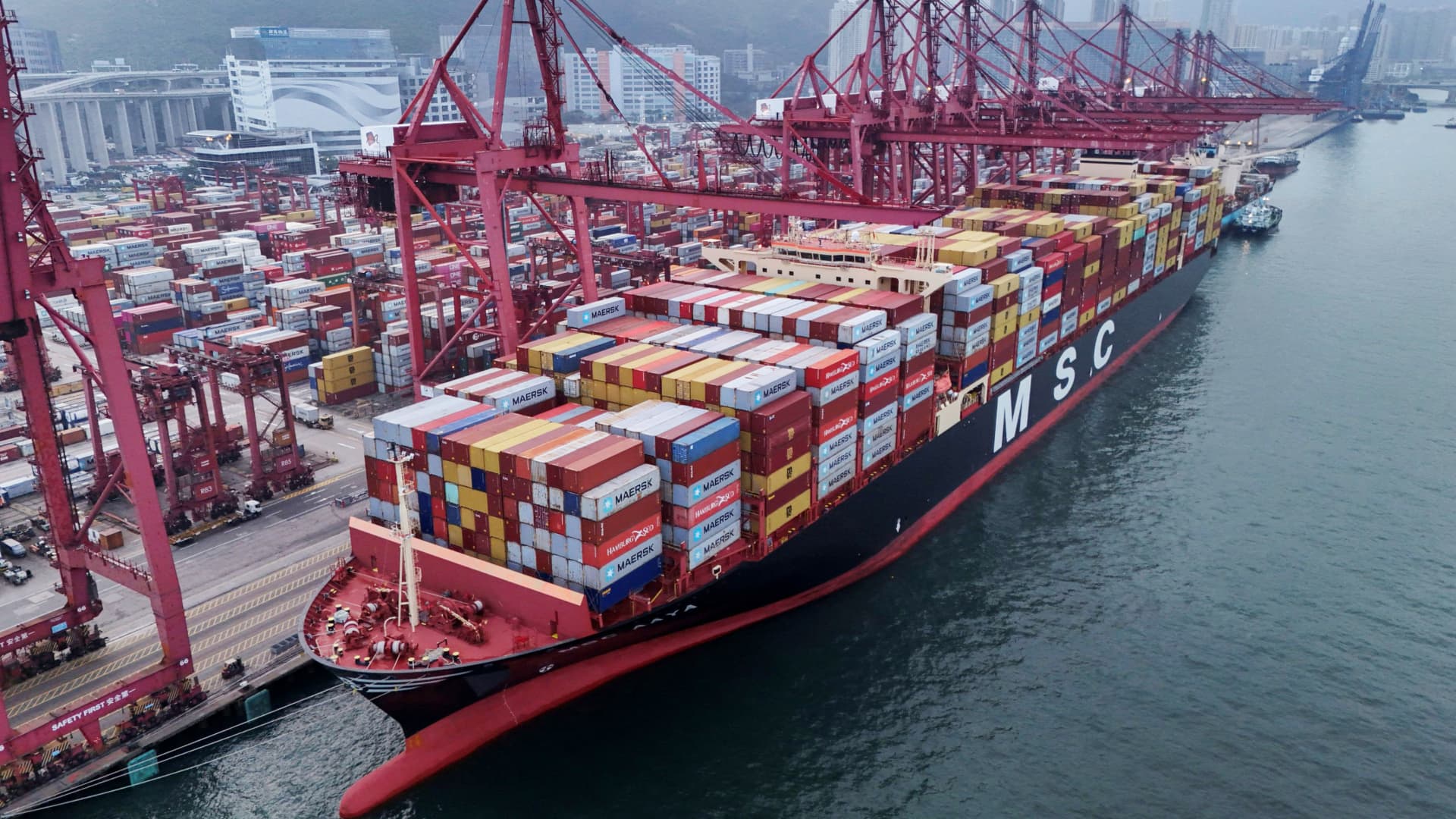
The truce arrives as investors weigh mixed signals on inflation and growth. As the analysis notes, the extension of even a modest truce has given an unstable world economy a reprieve. Supply chains that run through the Pearl River Delta and ports like Los Angeles get a few more months of predictability — no small thing when tariffs already hovering near 47 percent are the "good" outcome.
Still, the deal's fragility is its defining feature. Both sides have complained about the other's compliance, and the truce's core terms amount to promises not to make things worse. Whether the November and December summits produce a real roadmap — or merely another extension — will determine whether this reprieve becomes a turning point or just a longer fuse.
For now, markets have what they most want: certainty about the next three months.
Frequently Asked Questions
What is the US-China trade truce?
A ceasefire in the tariff war agreed by US President Donald Trump and Chinese President Xi Jinping in Busan, South Korea, in October 2025. It has now been extended to expire on January 10, 2027, rather than November 10, 2026.
What are the main terms of the deal?
China pauses enforcement of its rare-earth export controls; the United States holds tariffs on Chinese goods near 47 percent rather than raising them. Both commitments are voluntary pauses, not treaty obligations.
Why are rare earths so important in this dispute?
China dominates rare-earth mining and almost all processing, especially of heavy rare earths like dysprosium and terbium used in EVs, wind turbines, and defence systems. Western alternatives exist but will take years to scale.
What happens next?
Trump and Xi are expected to meet in Shenzhen in November and Miami in December. Those meetings will decide whether the truce is extended further, replaced by a permanent deal, or allowed to collapse.
Related: Trump's tariffs face voter backlash ahead of the midterms and EU-China trade talks in Beijing.