The world's finance ministers and central bankers are gathering in Bangkok this week for the International Monetary Fund and World Bank annual meetings — and the agenda is dominated by two intertwined crises: war and debt. According to Al Jazeera, armed conflicts and historically high levels of public debt will frame nearly every session, as officials confront a global economy losing momentum.
A gloomy backdrop
The meetings open against a deteriorating forecast: global growth is projected to slow to just 2.6% in 2026, weighed down by geopolitical risks and elevated energy prices. The wars in Ukraine and Gaza, the latest Saudi–Houthi escalation in the Red Sea corridor, and this year's tariff battles have pushed energy costs higher and kept inflation risks alive, even as many central banks have begun easing.
Record global debt looms over it all. Years of pandemic-era borrowing, defence spending surges, and expensive climate and infrastructure programmes have left governments with historically thin fiscal buffers — just as higher-for-longer borrowing costs make refinancing painful. Debt sustainability, particularly for emerging markets and low-income countries, is expected to be one of the week's defining themes.
What to watch
Several flashpoints are likely to shape the week's communiqués:
Energy and trade. With oil prices elevated and the G7 having drawn on diesel reserves earlier this year, energy security will compete with trade tensions for attention. The US midterm elections next month add political edge to Washington's positions on tariffs and sanctions.
Ukraine and reconstruction. Kyiv's energy infrastructure has come under renewed Russian attack this autumn, and the financing needs for reconstruction keep growing. The question of how — and who — pays remains politically toxic, with frozen Russian assets still the subject of fierce debate among G7 members.
Emerging-market debt. Countries from Pakistan — which secured a $12.1 billion IMF bailout earlier this year — to smaller frontier economies face refinancing walls. The meetings are a key venue for debt-restructuring talks, though progress has been painfully slow in recent years.
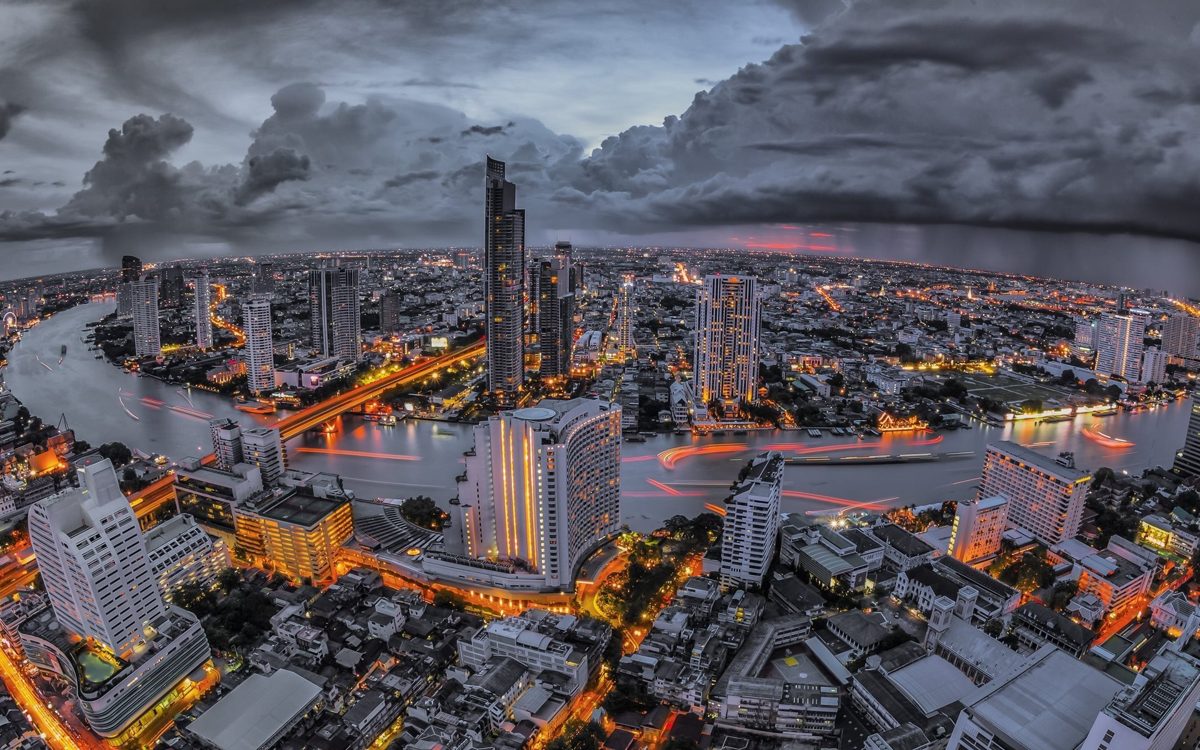
Why Bangkok matters
Hosting the meetings in Bangkok is itself a statement. Southeast Asia has been one of the brighter spots in the global economy, and Thailand — despite recent flooding that killed dozens — is positioning itself as a regional hub for investment flows being redirected by US–China tensions. The symbolism is hard to miss: while Western capitals fret over stagnation and war, Asia is where the growth, and increasingly the money, is.
For context on the pressures officials face, see our coverage of the IMF's warning on the lasting cost-of-living crisis, Pakistan's $12.1bn IMF bailout deal, and World Bank poverty data for Pakistan and MENA.
Frequently Asked Questions
When and where are the 2026 IMF–World Bank annual meetings?
The annual meetings take place in Bangkok, Thailand, this week, bringing together finance ministers and central bank governors from the Fund's 191 member countries.
Why is global debt such a concern this year?
Governments accumulated record debt during the pandemic and subsequent crises, while defence spending and climate investments kept borrowing high. With elevated interest rates making refinancing expensive, many countries — especially emerging markets — face serious debt-sustainability pressures.
What is the growth outlook for 2026?
Global growth is forecast to slow to around 2.6% in 2026, as geopolitical risks, energy costs and trade tensions weigh on economic activity.
What could come out of the meetings?
Expect updated IMF forecasts, coordinated statements on debt restructuring and trade, and bilateral talks on crisis financing — though concrete breakthroughs at these meetings have historically been modest.