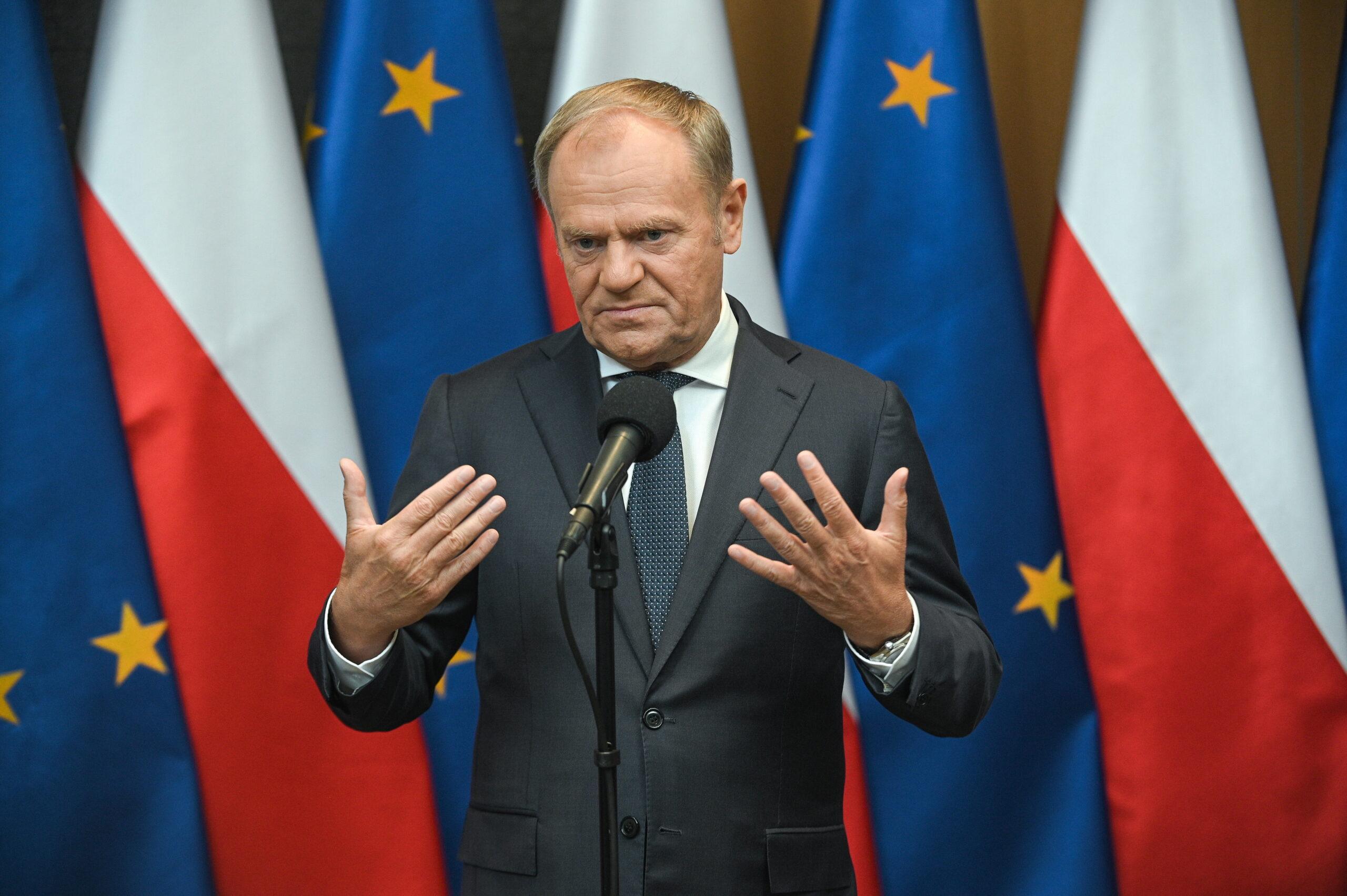
President Donald Trump announced on Sunday that Russia and Ukraine have agreed to an immediate "energy ceasefire," a halt to attacks on each other's energy infrastructure. The claim, posted on Truth Social, arrived without any confirmation from Moscow or Kyiv — and Ukraine's president told Axios the announcement was "news" to him, while adding that Kyiv would honour the truce if Russia genuinely commits to it.
"Effective immediately, there is an ENERGY CEASEFIRE in the War between Russia and Ukraine. Both parties have agreed. Do not break it!" Trump wrote, according to multiple outlets including CNN and France 24. As of Sunday afternoon, there was no word from the Kremlin that any such agreement had been reached, and the White House offered no details on how it was supposedly brokered or what its terms are.
Table of Contents
- A unilateral announcement, then a careful reply from Kyiv
- Zelensky's offer: stop the refinery strikes, reciprocally
- The diesel deal that poisoned the week
- Déjà vu: last month's truce that wasn't
- What "energy ceasefire" would actually mean
- Frequently Asked Questions
A unilateral announcement, then a careful reply from Kyiv
The announcement caps a week of open friction between Trump and Ukrainian President Volodymyr Zelensky. As recently as Saturday, Trump told reporters that Ukraine should "get a new leader who can make a deal," faulting Zelensky for failing to reach a settlement with Russia.
Zelensky, interviewed earlier Sunday on ABC's This Week, pushed back. "First of all, with all respect to President Trump, it's up to our society, up to our people to choose one or another leader," he said. He also offered a striking trade: he would hold Ukrainian elections if Putin agreed to a 60-day ceasefire. "Please tell Putin, give us two months, 60 days of total ceasefire, 60 days, and we will organize elections," he said.
On Trump's energy-truce claim specifically, Zelensky struck a cautious, conditional tone. Told Axios it was "news" to him, he added that "if Russians agree to an energy ceasefire, Ukraine will agree" — provided the de-escalation is reciprocal and backed by guarantees. It is the same conditional formulation Kyiv has used before: willing in principle, unconvinced in practice.
Zelensky's offer: stop the refinery strikes, reciprocally
The core of Kyiv's position predates Trump's post. Zelensky has repeatedly offered to halt Ukrainian strikes on Russian refineries if Moscow stops hitting Ukraine's energy infrastructure. On Sunday he renewed the offer on X: "Ukraine will be ready to stop striking Russian oil refineries if Russia stops striking our energy infrastructure," adding that "any de-escalation steps must be reciprocal and backed by real guarantees."
"The real cause of the war in Europe is Russia and Russia alone," he wrote. "It is possible to stop strikes on energy infrastructure as early as today, but Putin does not want to do so."
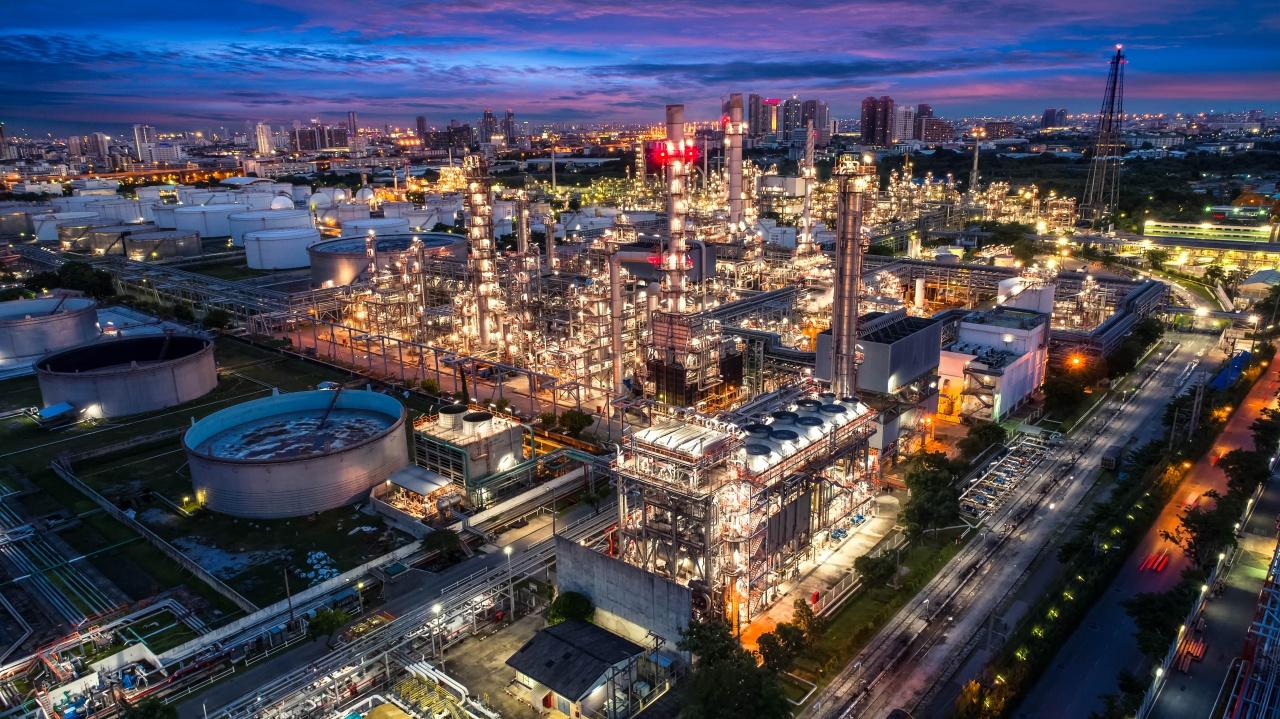
The exchange matters because the energy war is no longer peripheral — it is the war's economic engine. Ukraine has systematically targeted Russian refineries, while Russia has pounded Ukrainian power stations and the grid heading into winter. Both campaigns have global ripple effects.
The diesel deal that poisoned the week
Trump's announcement lands just two days after a move that infuriated Kyiv. On Friday, following a call with Russian President Vladimir Putin, Trump unveiled a deal for Russia to supply diesel to US and global markets — 300,000 tons immediately, 500,000 tons in November and another million after — with temporary sanctions relief to make it work. Zelensky blasted the arrangement as a "betrayal" that hands Moscow revenue for its war machine, and the deal drew bipartisan backlash in Washington.
Trump's logic is domestic. He has blamed Ukraine's refinery strikes — not the war on Iran — for spiking American fuel prices, a claim his Energy Secretary Chris Wright has echoed regarding global diesel supply. With diesel at $6.28 a gallon nationally, according to AAA data cited by the New York Post, and the November 3 midterms approaching, fuel prices are a political liability. Ending the mutual strikes on energy facilities would, in the White House's telling, calm markets and ease pressure at the pump.
Meanwhile, US-Ukrainian diplomacy continues in the background: talks involving special envoy Steve Witkoff and Jared Kushner got underway in Miami on Friday even as the diesel deal was announced.
Déjà vu: last month's truce that wasn't
Skepticism is warranted because this exact play has been run before. Last month, Trump claimed Russia and Ukraine had agreed to an energy truce. Zelensky said Kyiv would support it only if Moscow genuinely committed. The Kremlin never confirmed an agreement — and the next day, Russia struck petrol stations in Kyiv while Ukraine said it had hit a Russian oil refinery. The pattern repeated in September, when Zelensky raised the proposal again during talks with Trump.
That history explains Zelensky's conditional answer this time: an agreement that exists only in a social-media post is not an agreement. For any ceasefire to hold, both militaries would need direct, verified instructions — and so far, only one side's president has issued a statement.
What "energy ceasefire" would actually mean
If it were real and enforced, an energy truce would mark the first meaningful de-escalation between Russia and Ukraine in months. It would:
- Protect winter power grids on both sides — critical as temperatures drop and Russian strikes on Ukrainian heating infrastructure have historically intensified.
- Stabilize diesel and fuel markets, easing a global supply squeeze that Trump has tied to American midterm politics.
- Create a verification template — monitoring energy sites is technically easier than monitoring a front line, potentially serving as a confidence-building step toward a broader ceasefire.
But the gap between announcement and implementation remains the whole story. Until Moscow confirms — and until strikes actually stop — Sunday's declaration is best read as pressure politics: Trump telling both sides, in all caps, to stop, while the war grinds on beneath the post.
Frequently Asked Questions
What did Trump announce about an energy ceasefire?
On Sunday, October 11, 2026, President Donald Trump posted on Truth Social that Russia and Ukraine had agreed to an immediate halt to attacks on each other's energy infrastructure, writing "Both parties have agreed. Do not break it!" Neither Moscow nor Kyiv has confirmed the agreement.
How did Zelensky respond to Trump's announcement?
President Zelensky told Axios the announcement was "news" to him, but said Ukraine would agree to an energy ceasefire if Russia genuinely commits to one. He had already offered earlier Sunday to stop Ukrainian strikes on Russian refineries if Moscow halts attacks on Ukraine's energy infrastructure, insisting any de-escalation be reciprocal and backed by guarantees.
Is this the first time an energy truce has been claimed?
No. Trump made a similar claim last month, but the Kremlin never confirmed it, and strikes continued the next day — Russia hit petrol stations in Kyiv while Ukraine struck a Russian refinery. Zelensky had also raised the proposal in September talks with Trump.
Why is the energy war important to the broader conflict?
Energy infrastructure is a central battleground: Ukraine targets Russian refineries to weaken Moscow's war financing, while Russia strikes Ukrainian power grids. The campaigns affect global diesel prices and fuel markets, which is why Trump has made stopping them a political priority ahead of the November 3 US midterms.