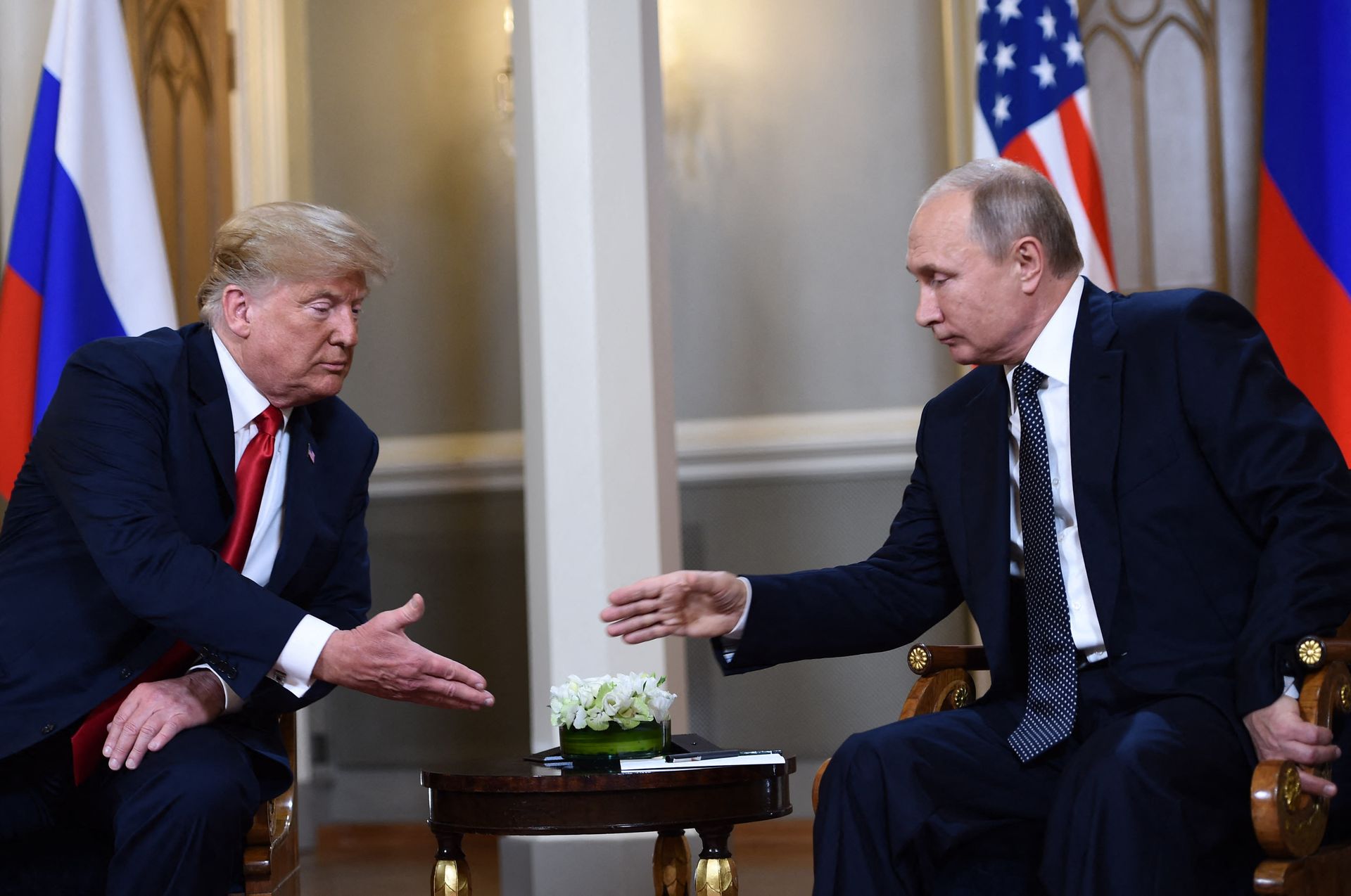
US President Donald Trump said on Saturday that Russian President Vladimir Putin "would like to see a settlement, strongly" to end the war in Ukraine, while accusing Ukrainian President Volodymyr Zelensky of repeatedly missing chances to negotiate peace. The remarks, made to reporters at Joint Base Andrews after Trump returned from a campaign rally in Tennessee, followed Friday's telephone conversation between the two leaders that produced a controversial US-Russia diesel deal.
"Russia would like to make a deal... but for whatever reason, Zelensky does not want to make a deal," Trump said, according to Agence France-Presse. He added that Putin told him during their call that he wanted an end to the conflict, which began with Russia's full-scale invasion of Ukraine in February 2022.
The diesel deal behind the spat
The immediate backdrop is Trump's announcement on Friday that Russia would supply diesel to the United States and global markets, easing restrictions that had been in place for months. The White House framed the move as a way to bring down fuel prices for Americans ahead of next month's midterm elections, at a moment when the ongoing conflict with Iran has squeezed global energy supplies.
The deal — one of the most controversial energy decisions of 2026, covered here in /articles/trump-putin-russian-diesel-deal-us-2026 — drew a furious response from Kyiv. Zelensky called the easing of sanctions a "weak decision" and warned that the extra revenue would help Moscow fund its war effort. The clash has also revived the long-running dispute over Ukrainian elections: Trump has repeatedly called for Zelensky to hold a vote during the conflict (see /articles/trump-says-ukraine-needs-new-president-2026), saying Saturday that "he could have settled this thing many times."
A rare Republican break
In a sign of the deal's sensitivity within his own camp, former Vice President Mike Pence publicly broke with Trump on Saturday. Pence called the diesel agreement "a betrayal of the legacy and leadership of the late Senator Lindsey Graham," who had pushed for tougher US support for Ukraine, and warned that "America should not be throwing a lifeline to Putin's war machine."
The Senate has already voiced its displeasure: the chamber's reaction to the diesel waiver was documented earlier in /articles/us-senate-backlash-trump-russian-diesel-waiver-2026. European allies have expressed similar dismay, with Estonia's prime minister calling the decision a major mistake and EU foreign policy chief Kaja Kallas saying Europe will not ease its pressure on Russia.
Analysts skeptical the deal will ease prices
Energy analysts quickly cast doubt on Trump's claim that the arrangement would send diesel prices down in record numbers. Gregory Brew of the Eurasia Group told CNN the move would amount to a "band-aid, nothing more," even assuming Moscow reverses its diesel export ban and delivers as promised. He also suggested Putin likely expects Ukraine to halt its strikes on Russian refineries in exchange — something he said he had "a hard time seeing Zelensky cooperate on."
Trump himself has pressured Kyiv to stop those strikes, saying he had told Ukraine it could do anything to Russia "except touch the refineries." Meanwhile the fighting has continued: Russian attacks across Ukraine over the weekend killed at least 21 people, including children, according to Ukrainian officials cited by Ukrainska Pravda.
Why this matters
Trump's claim that Putin wants a settlement "strongly" marks his most explicit effort yet to reframe Moscow as the party ready for peace and Kyiv as the obstacle. With the diesel deal effectively trading sanctions relief for Russian fuel, the administration has staked a midterm-season energy strategy on the Kremlin's cooperation — a bet that has alarmed allies, angered Ukraine, and now opened a public split inside the Republican Party. Whether Putin's stated interest in a deal translates into any movement on the ground remains, as ever, the unanswered question.
Frequently Asked Questions
What did Trump say about Putin and a Ukraine settlement?
Speaking to reporters on Saturday after his Friday phone call with Putin, Trump said the Russian president "would like to see a settlement, strongly," and claimed Russia was keen to reach a deal to end the war.
Why is the diesel deal controversial?
Trump announced Friday that Russia would supply diesel to US and global markets with sanctions relief, aiming to cut fuel prices. Critics, including Zelensky and former VP Mike Pence, argue it hands Moscow revenue that will fund its war effort and weakens Western sanctions.
What has the reaction been?
Zelensky called it a "weak decision"; Pence called it a "betrayal" of the US's pro-Ukraine stance; Estonia and the EU foreign policy chief warned Europe will keep pressure on Russia. Energy analysts doubt the deal will meaningfully lower prices.
What is the state of the fighting?
Russian strikes across Ukraine over the weekend killed at least 21 people, including children, according to Ukrainian officials. Kyiv continues to strike Russian refineries despite Trump's demands to stop.