The already fraught relationship between Washington and Kyiv took a sharp turn for the worse on Saturday, when US President Donald Trump publicly suggested that Ukraine should replace its leader, Volodymyr Zelenskyy — just a day after announcing a controversial deal to import Russian diesel into the United States.
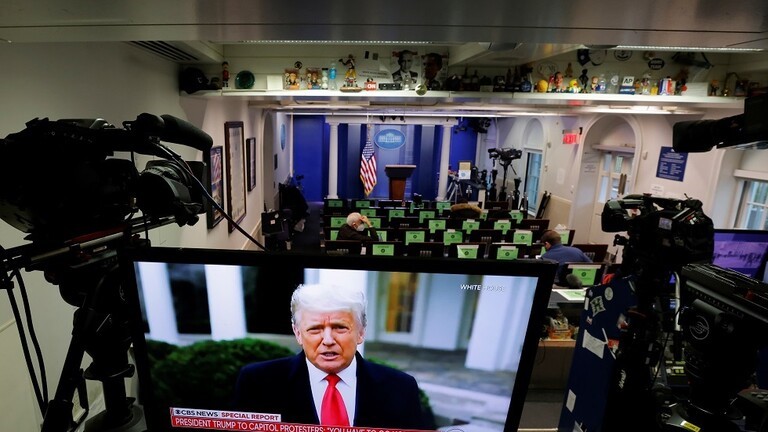
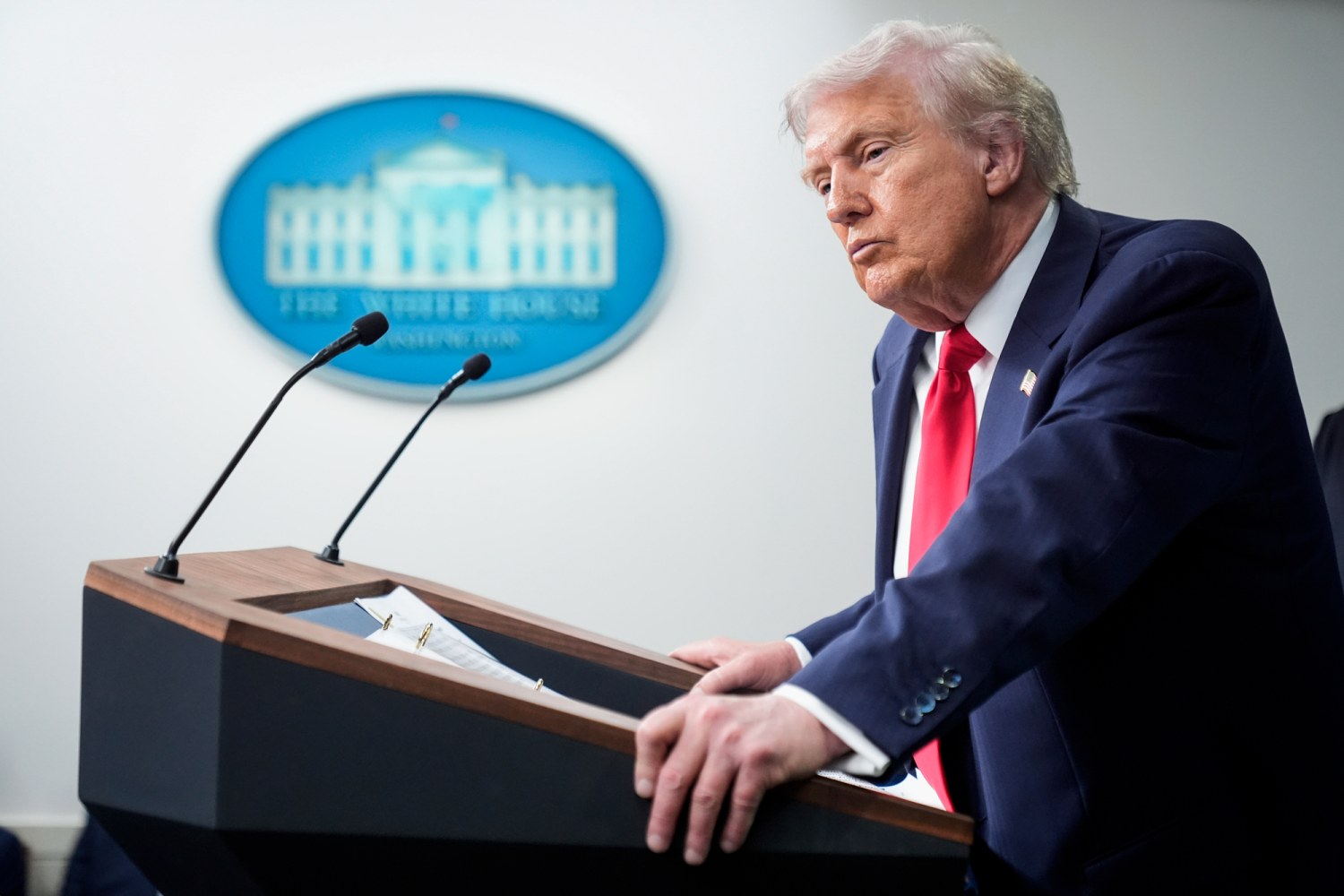
"I think it's time for Ukraine to get a new president," Trump told reporters at the White House, in some of the most direct criticism he has levelled at his Ukrainian counterpart. The president accused Zelenskyy of harming global diesel supplies through Ukraine's continued strikes on Russian oil refineries and infrastructure.
"I suggest they get a new leader who can make a deal, because he could have made many deals, but for some reason he never does," Trump said, according to Reuters. The remarks came hours after Zelenskyy launched one of his harshest public attacks yet on the White House, condemning Trump's decision to strike a diesel supply agreement with Moscow.
A deal that infuriated Kyiv
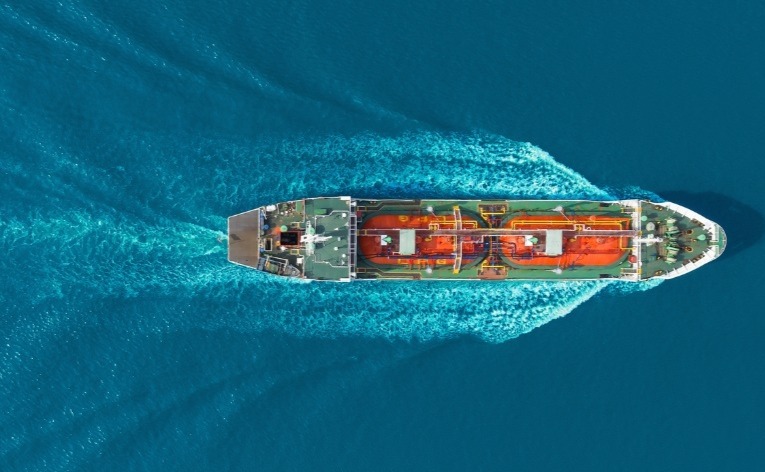
Trump announced on Friday that the United States would lift sanctions on Russian diesel exports and buy fuel directly from Russia — a stunning reversal of more than a year of Western pressure intended to choke off Moscow's energy revenues and deprive it of funds for its war in Ukraine.
Zelenskyy's response was immediate and furious. On Saturday he accused the American president of emboldening the Kremlin, drawing a direct line between the sanctions relief and a Russian strike that killed 20 people, including three children, in the southern Ukrainian city of Zaporizhzhia the same day.
"Today, Russia said thank you for the lifting of sanctions on diesel exports by dropping five glide bombs on residential buildings in Zaporizhzhia," Zelenskyy said. The message was unmistakable: in Kyiv's view, easing economic pressure on Moscow only invites more bloodshed.
The Russian government, for its part, moved quickly to capitalise on the shift, announcing on Saturday that it had partially lifted its ban on diesel exports with immediate effect.
Why diesel, why now
The timing of Trump's move is no accident. A steep rise in global diesel and fuel prices — which followed the outbreak of the US–Iran war earlier this year — has become a serious political liability for Trump's Republican Party ahead of next month's midterm elections, when Democrats could retake one or both houses of Congress.
Soaring prices at the pump have already drawn criticism from voters and given the administration an incentive to find quick relief. Importing Russian diesel, and nudging more supply onto world markets, is meant to cool prices before Americans vote.
But the strategy carries obvious risks. Critics argue that purchasing Russian fuel directly funds the very war machine the United States claims to oppose, while simultaneously undermining the sanctions regime that Washington itself helped build. Kyiv has instead urged Washington to increase pressure on Moscow to force it into serious negotiations to end the four-and-a-half-year war.
Strikes on Russian energy remain the flashpoint
At the heart of Trump's anger is Ukraine's campaign of long-range strikes against Russian oil refineries, depots and export terminals — a strategy Kyiv has pursued for months to raise the economic cost of the war for Moscow. The attacks have visibly reduced Russia's refining capacity at times and contributed to tightening global fuel supplies.
Trump has demanded that these strikes stop. "He wants to make problems for our farmers, our ranchers, with diesel fuel because Russia supplies a large portion of the diesel fuel throughout the world," Trump said of Zelenskyy, framing the Ukrainian president's military strategy as an attack on American livelihoods.
Zelenskyy sees it differently: for Ukraine, striking the infrastructure that finances Russian bombs falling on its cities is not optional — it is self-defence. His Saturday rebuke made clear that Kyiv will not quietly accept a deal that trades Ukrainian leverage for American fuel prices.
For background on the fast-moving diplomacy, see our earlier coverage of Trump's energy ceasefire announcement for Ukraine, Kyiv's strikes on Russian oil infrastructure, and Germany's criticism of the US–Russia diesel arrangement.
What this means
The public nature of the clash matters. For the better part of a decade, American presidents — including Trump himself in earlier phases of the conflict — have stopped short of openly calling for the replacement of an allied wartime leader. The remark is as much a signal to US voters, who are paying more at the pump, as it is to Kyiv.
The immediate question is whether the diesel deal survives the backlash. If domestic anger over fuel prices keeps rising, the administration may double down. If allies and Congress conclude that buying Russian fuel is strategically indefensible, the deal could become a midterm liability of its own.
Either way, the episode has exposed a widening gap between Washington's domestic politics and Kyiv's war aims — one that will shape the coming phase of the conflict, and the midterm vote that follows it.
Frequently Asked Questions
What did Trump say about Zelenskyy?
Trump said "I think it's time for Ukraine to get a new president," arguing that Zelenskyy had refused deals and hurt global diesel supplies through strikes on Russian oil infrastructure.
What is the US–Russia diesel deal?
On Friday, Trump announced the United States would lift sanctions on Russian diesel exports and import Russian fuel directly, aiming to bring down domestic fuel prices ahead of the midterm elections.
Why did Zelenskyy condemn the deal?
Zelenskyy argued that easing sanctions on Russia's diesel exports emboldens Moscow, pointing to a Russian strike on Zaporizhzhia on Saturday that killed 20 people, including three children, as proof.
How has Russia responded?
Russia said on Saturday it had partially lifted its ban on diesel exports with immediate effect, taking advantage of the US sanctions relief.
Could this affect the US midterm elections?
Diesel and fuel prices are a major voter concern. The deal is aimed at lowering prices for farmers and ranchers before the November midterms — but it risks backlash from voters and lawmakers who see buying Russian fuel as undermining US strategy.