President Donald Trump has asked the U.S. Supreme Court to revive his dismissed lawsuit against Hillary Clinton, accusing his 2016 Democratic rival, former FBI Director James Comey, and others of conspiring to rig that year's election by tying his campaign to Russia. The appeal, filed on Friday, October 9, follows a federal judge's dismissal of the case and nearly $1 million in sanctions against Trump and one of his lawyers — a ruling a federal appeals court later upheld.
A decade-old grudge returns to court
Trump filed the original lawsuit in 2022, during his time out of office after losing the 2020 election. The lengthy complaint, lodged in federal court in Florida, named Clinton, Comey, former British intelligence officer Christopher Steele, the Democratic National Committee, and numerous others. It alleged that Clinton and her allies conspired before the 2016 election to discredit him by promoting what he called a "false narrative" that his campaign had colluded with Russia, including claims of racketeering and "conspiracy to commit injurious falsehood."
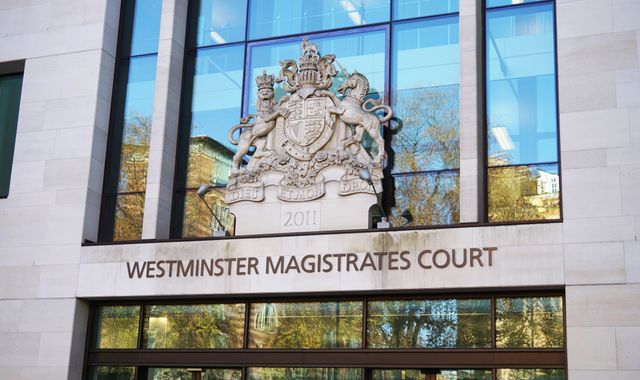
A federal judge rejected the case outright and imposed sanctions on Trump and attorney Alina Habba, describing the suit as frivolous. An appeals court subsequently upheld both the dismissal and the sanctions. Trump, reported Reuters, now wants the nation's highest court to intervene.
"Protect the presidency"
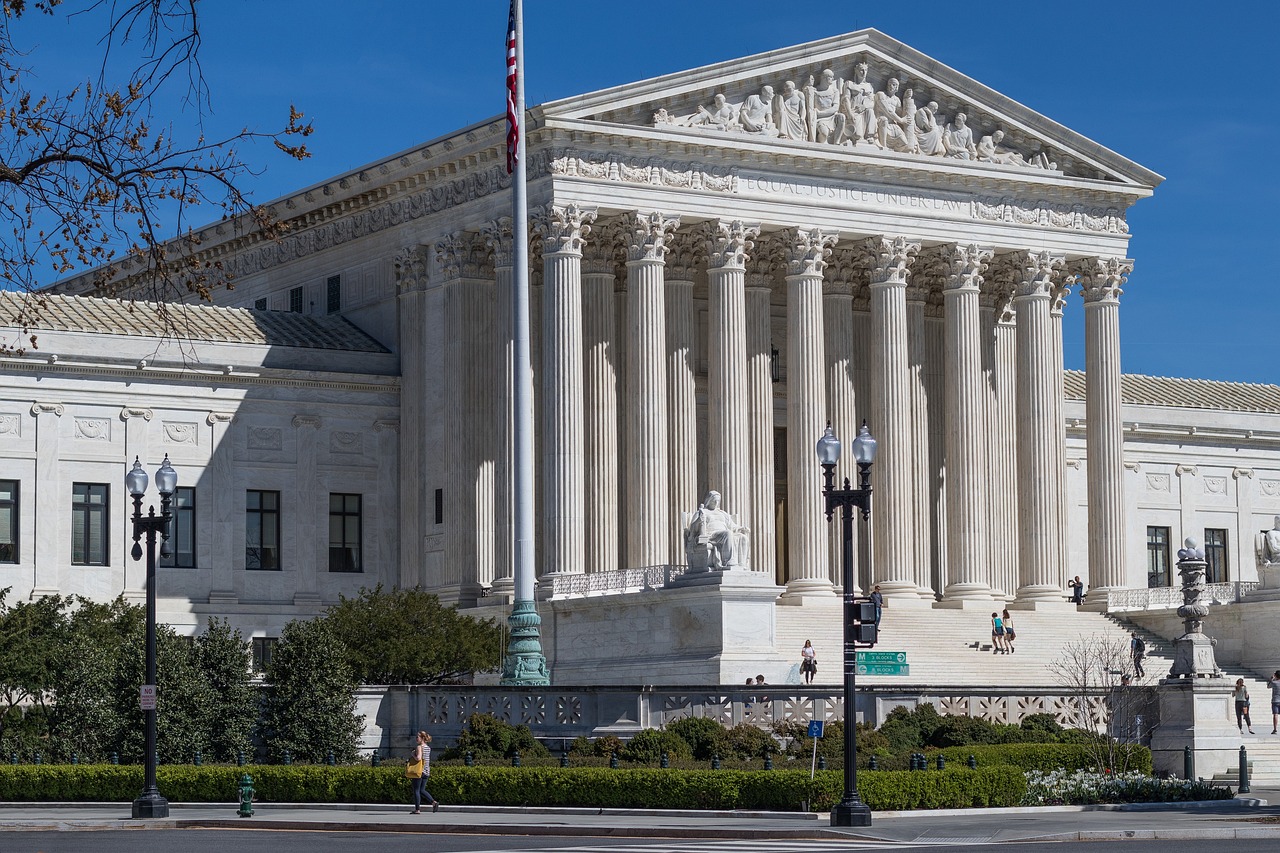
Trump's lawyers argue that Supreme Court review is needed to protect the presidency itself. According to The Hindu, the appeal contends that the lower-court decisions reflect "a deeply troubling trend of federal courts using sanctions and disciplinary threats to punish the president and his lawyers for legitimate legal positions that those courts (erroneously) reject."
It is a striking framing: the president is asking the court to weigh in not only on the merits of the case but on whether judges have overstepped by penalizing him for bringing it.
The history behind the case
Trump defeated Clinton in the 2016 election despite losing the national popular vote, and served his first term from 2017 to 2021. U.S. officials concluded that Russia interfered in that election, and the investigation led by former FBI Director Robert Mueller documented extensive contacts between the Trump campaign and Russian operatives seeking to influence the outcome. Trump has consistently dismissed the Russia allegations as a "hoax" — a position he has maintained through his second term after defeating Kamala Harris in 2024.
The new appeal arrives as Trump has pursued an aggressive legal posture across multiple fronts, including his recent unilateral announcement of an energy ceasefire between Russia and Ukraine and his shifting stance on potential Iran strikes.
What comes next
The Supreme Court accepts only a small fraction of the thousands of petitions it receives each year, and legal experts say the bar is especially high for a case twice rejected as frivolous. The court could decline to hear the case without explanation — the most likely outcome — or request a response from Clinton's side before deciding. Either way, the filing keeps a decade-old grievance over the 2016 campaign alive in the national spotlight, now carried by the full weight of the presidency.
Frequently Asked Questions
What is Trump asking the Supreme Court to do?
Trump filed a petition asking the Supreme Court to revive his 2022 lawsuit against Hillary Clinton, James Comey, and others, which accused them of conspiring to link his 2016 campaign to Russia. Two lower courts dismissed the case and imposed nearly $1 million in sanctions on Trump and one of his lawyers, calling it frivolous.
Why was the original lawsuit dismissed?
A federal judge in Florida threw out the case and sanctioned Trump and his attorney, finding the suit was brought without a sufficient factual or legal basis. A federal appeals court upheld both the dismissal and the sanctions.
What argument are Trump's lawyers making?
They argue that Supreme Court review is needed to "protect the presidency," claiming lower courts have used sanctions to punish the president and his lawyers for legal positions they disagree with. The appeal frames the case as a warning about judicial overreach.
Will the Supreme Court hear the case?
It is uncertain. The court grants review to only a tiny percentage of petitions, and cases already found frivolous by two levels of courts face steep odds. The justices may deny the petition without comment, which would end the case.