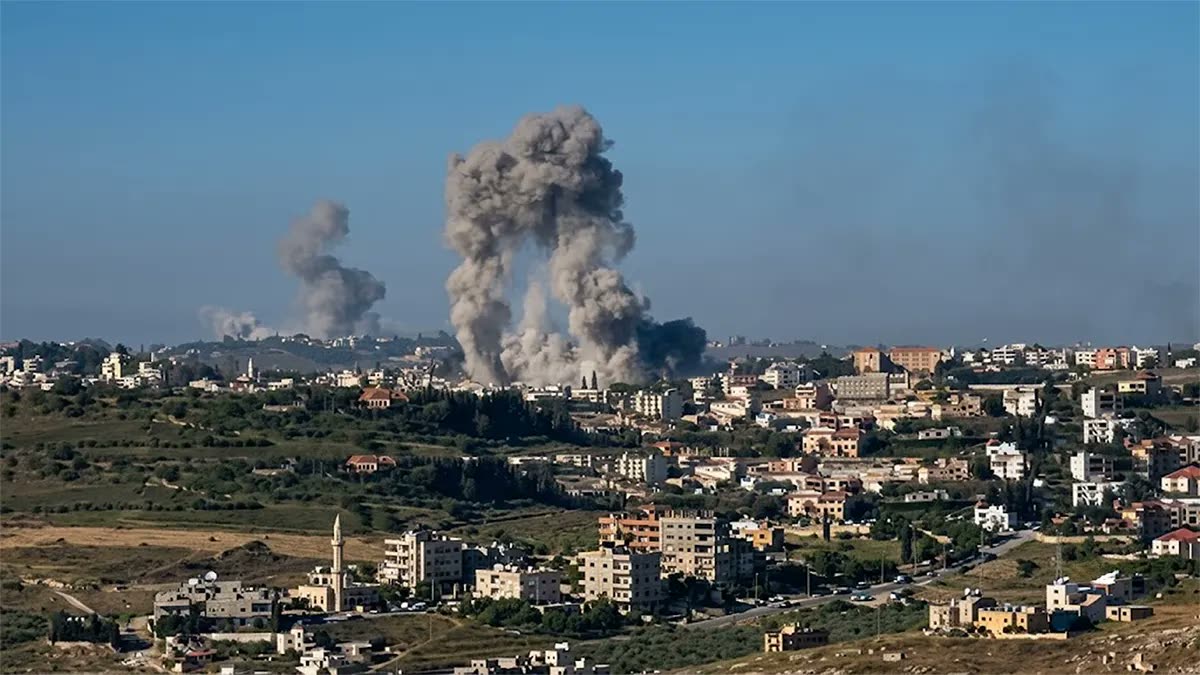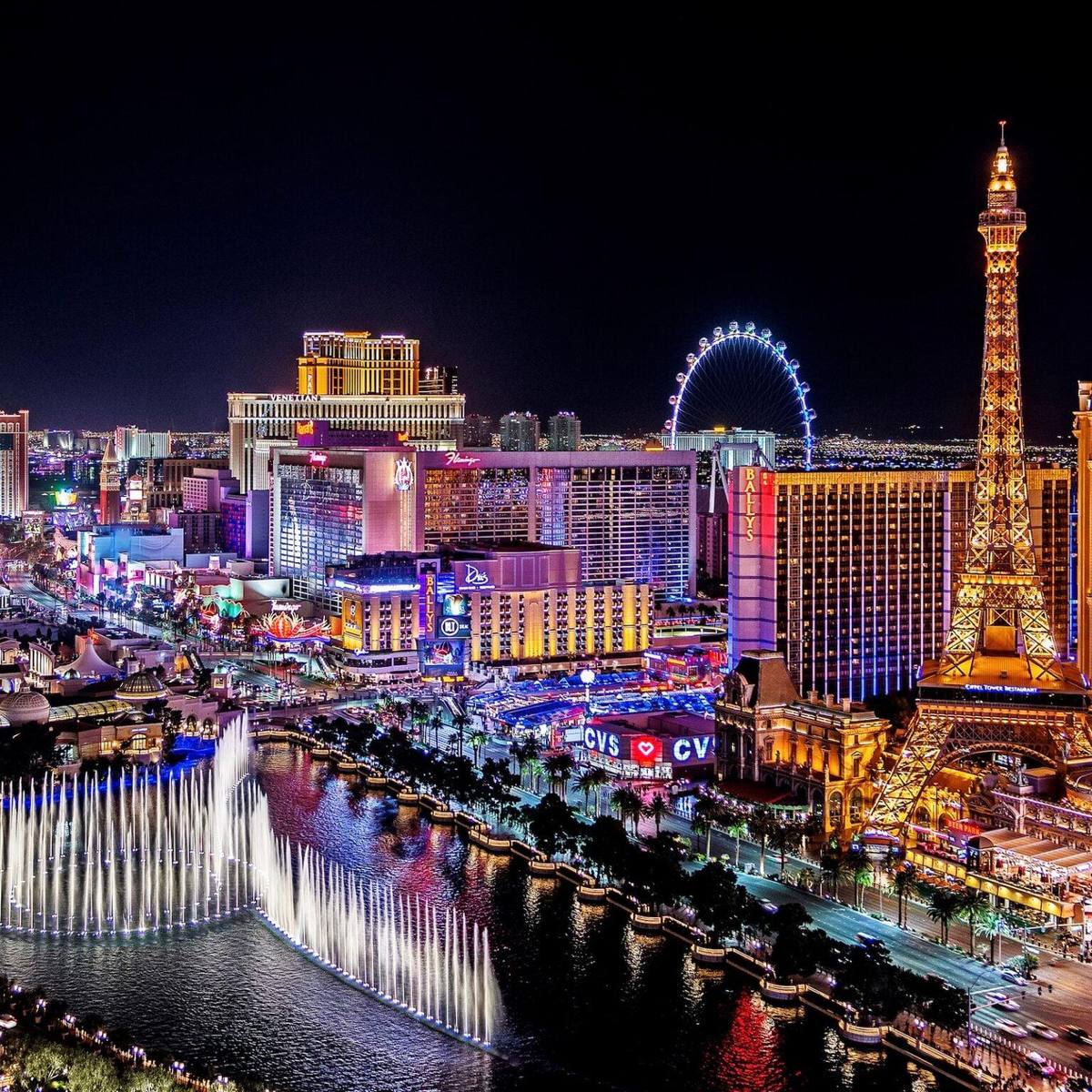
On the night of October 1, 2017 — nine years ago this month — a gunman opened fire from a 32nd-floor suite of the Mandalay Bay Resort and Casino onto the crowd at the Route 91 Harvest country music festival below. In about 11 minutes, Stephen Paddock killed 60 people and injured more than 800, in the deadliest mass shooting in modern US history. He took his own life as police closed in. What the public never got was a satisfying "why" — and that vacuum has been filled ever since by conspiracy claims. This explainer sets each major claim against the findings of the official investigations.
Table of Contents
- What Happened on October 1, 2017
- What the Investigations Concluded
- Claim: "There Was a Second Shooter"
- Claim: "ISIS Was Behind It"
- Claim: "His Girlfriend Was an Accomplice"
- Claim: "Paddock Was an Arms Dealer — or a Government Asset"
- Claim: "The Victims Were Crisis Actors"
- Claim: "The Lack of a Motive Proves a Cover-Up"
- The Aftermath: Bump Stocks and the $800M Settlement
- Key Takeaways
- Frequently Asked Questions
- Sources
- Read Next on Chronicle
What Happened on October 1, 2017
Just after 10:05 p.m., during the final night of the three-day Route 91 Harvest festival in the Las Vegas Village concert venue across the street from Mandalay Bay, Stephen Paddock — a 64-year-old retired accountant and high-stakes gambler from Mesquite, Nevada — began firing rifles through the windows of his suite into the crowd of some 22,000 concertgoers. He had an arsenal in the room: 23 firearms, many of them rifles fitted with bump-fire stocks that allowed rapid fire.
Fifty-eight people were killed that night; two more victims later died of their injuries, bringing the death toll to 60. More than 800 were injured — by gunfire and in the panicked stampede. A hotel security guard was shot through the suite door minutes before the main volley. Police breached the room after an hour-long standoff to find Paddock dead by suicide. He left no note, no manifesto, and no demands.
What the Investigations Concluded
Two major investigations examined the attack, and they agreed on the essentials:
- The Las Vegas Metropolitan Police Department's criminal investigative report, released in August 2018, concluded Paddock acted alone. It found no evidence of a second shooter or accomplice.
- The FBI's Behavioral Analysis Unit, which closed its investigation in January 2019, concluded there was "no single or clear motivating factor" driving Paddock. The agency determined the 64-year-old was not driven by a religious, social, or political agenda, nor did he have an accomplice, per NPR.
"Throughout his life, Paddock went to great lengths to keep his thoughts private, and that extended to his final thinking about this mass murder," the FBI said in its three-page synopsis, as reported by NPR.
These two reports are the evidentiary baseline. Every claim below is measured against them.
Claim: "There Was a Second Shooter"
The claim: Videos and audio recordings seem to show gunfire from more than one location; some say a second shooter fired from the ground or a different floor.
The facts: In chaotic crowd audio, echoes off the Mandalay Bay tower and surrounding buildings made a single gunman's fire sound like it was coming from multiple directions. The LVMPD's investigation — including acoustic analysis, ballistic evidence, and hundreds of witness interviews — concluded all shots came from Paddock's suite. The confusion was compounded by the timeline of the security guard being shot through the suite door minutes before the massacre began; early, shifting police statements about that timeline fueled suspicions, but the final reports resolved it: one shooter, one room. The FBI agreed Paddock acted alone, per NPR.
Claim: "ISIS Was Behind It"
The claim: The Islamic State claimed responsibility for the attack within hours through its Amaq news agency, saying Paddock was a "soldier" who had converted to Islam months earlier.
The facts: The FBI found no evidence of any connection between Paddock and ISIS, and no evidence he had any religious, social, or political agenda at all, per NPR. Terrorist groups routinely claim credit for high-profile attacks they had nothing to do with, and investigators found nothing in Paddock's communications, finances, or history to support the claim — no contact with extremists, no ideological materials, no indication of conversion. The claim was false.
Claim: "His Girlfriend Was an Accomplice"
The claim: Marilou Danley, Paddock's girlfriend, helped plan the attack.
The facts: Danley was in the Philippines when the shooting occurred and returned to the United States afterward, where she cooperated with investigators. Authorities cleared her of any involvement; the LVMPD report described her as a person of interest who was questioned and released, with no evidence she knew of or assisted the attack. Investigators found Paddock had sent her money shortly before the shooting — consistent with a man settling accounts before a planned suicide, not with an accomplice relationship.
Claim: "Paddock Was an Arms Dealer — or a Government Asset"
The claim: Paddock's large gun collection and gambling wealth prove he was secretly trafficking weapons, possibly as part of a government operation.
The facts: Investigators traced Paddock's firearms purchases and found they were legally bought over roughly a year through licensed dealers — purchases that were unremarkable in a state with lax gun laws. The LVMPD found no evidence of arms dealing, no evidence of unexplained wealth from illicit sources, and no link to any government program. Paddock was a wealthy retiree with significant gambling income and real-estate holdings; large, legal gun purchases fit his profile as a hobbyist accumulator, however disturbing the outcome. The "government asset" variant has no evidentiary support whatsoever.
Claim: "The Victims Were Crisis Actors"
The claim: The dead and injured were actors; the shooting was staged.
The facts: This is the cruelest of the claims, and it is baseless. Sixty named victims — concertgoers from across the United States and Canada — were killed; their families, funerals, and legal claims are matters of public record. More than 800 injured survivors received medical treatment at Las Vegas hospitals. MGM Resorts agreed to a reported $800 million settlement with victims and their families, approved by a court in 2020. Harassment of grieving families by conspiracy believers has been widely documented, and some survivors pursued legal action against hoax promoters. There is no evidence of staging.
Claim: "The Lack of a Motive Proves a Cover-Up"
The claim: Because investigators never explained why Paddock did it, the official story must be a lie.
The facts: The absence of a motive is frustrating, but it is not evidence of a cover-up. The FBI explicitly noted that the absence of a single motivating factor is not unusual and places Paddock within the typical profile of other mass murderers driven by a "complex merging" of stressors, per NPR. Paddock's extreme privacy — no social media footprint, few confidants, no manifesto — simply left investigators with less to work with than in most cases. Both the LVMPD and the FBI published their findings; disagreement with their conclusions is not proof of conspiracy.
The Aftermath: Bump Stocks and the $800M Settlement
The shooting changed US gun policy in one concrete way: it focused national attention on bump-fire stocks, which Paddock used to simulate automatic fire. The Trump administration directed the Justice Department to ban the devices; the rule took effect in March 2019. In June 2024, the Supreme Court struck the ban down in Garland v. Cargill, ruling the ATF had exceeded its authority — a decision that reopened the broader gun-policy debate, including the arms embargo debate in Congress.
For survivors of mass shootings more broadly, see our coverage of the Vienna, Georgia block party shooting.
Key Takeaways
- On October 1, 2017, Stephen Paddock killed 60 people and injured 800+ at the Route 91 Harvest festival in Las Vegas — the deadliest mass shooting in modern US history.
- The LVMPD (2018) and FBI (2019) both concluded Paddock acted alone; the FBI found "no single or clear motivating factor."
- The second-shooter, ISIS, girlfriend-accomplice, and arms-dealer claims were all investigated and found unsupported by evidence.
- "Crisis actor" claims are baseless and have caused documented harm to grieving families.
- The lack of a known motive is consistent with the FBI's profile of mass shooters — it is not evidence of a cover-up.
Frequently Asked Questions
Who was the Las Vegas shooter in 2017?
Stephen Paddock, a 64-year-old retired accountant and high-stakes gambler from Mesquite, Nevada. He fired from a 32nd-floor suite of the Mandalay Bay Resort and Casino onto the Route 91 Harvest festival crowd on October 1, 2017, then killed himself as police breached the room, per NPR.
How many people died in the Las Vegas shooting?
Fifty-eight people were killed that night, and two more victims later died of their injuries, bringing the total to 60 victims. More than 800 others were injured. Paddock also died by suicide, per NPR.
What did the FBI conclude about a motive?
The FBI's Behavioral Analysis Unit concluded in January 2019 that there was "no single or clear motivating factor" and that Paddock was not driven by a religious, social, or political agenda, per NPR.
Did the FBI find a second shooter or accomplice?
No. Both the LVMPD and the FBI concluded Paddock acted alone, with no accomplice and no second shooter, per NPR.
Was ISIS really behind the Las Vegas shooting?
No. ISIS claimed responsibility through its propaganda channels, but the FBI found no evidence of any connection — no contact, no ideological materials, no indication of conversion, per NPR.
What happened with bump stocks after the shooting?
The Trump administration's Justice Department banned bump-fire stocks, with the rule taking effect in March 2019. The Supreme Court struck down the ban in June 2024 in Garland v. Cargill, ruling the ATF had exceeded its authority.
Was there really a settlement with the victims?
Yes. MGM Resorts agreed to a reported $800 million settlement with victims and families of the shooting, which was approved by a court in 2020.
Sources
- NPR — January 29, 2019: "FBI Finds No Motive In Las Vegas Shooting, Closes Investigation" (FBI Behavioral Analysis Unit findings).
- Las Vegas Metropolitan Police Department — August 2018: Criminal Investigative Report of the 1 October Mass Casualty Shooting.
- Associated Press — coverage of the October 2020 MGM Resorts $800 million settlement approval.
- Supreme Court of the United States — June 2024: Garland v. Cargill (bump-stock ban struck down).