Israeli Prime Minister Benjamin Netanyahu has called for a criminal investigation into the anonymous Israeli sources featured in "NAZA", the award-winning documentary about the war in Gaza, asking the army chief of staff, the head of the Shin Bet domestic intelligence service and the state attorney to identify and prosecute them. The Sunday order targets a film that has become one of the most decorated — and most politically charged — documentaries of the year, setting up a direct confrontation between the government and the whistleblowers whose testimony powers it.
Contents
- A film built on anonymous testimony
- Netanyahu's order: investigate and prosecute
- The army pushes back
- A new front in the culture war over Gaza
- Frequently Asked Questions
A film built on anonymous testimony
"NAZA" is constructed from the accounts of 24 unnamed Israeli military whistleblowers who accuse the army of killing large numbers of civilians in Gaza through the use of AI-powered targeting systems. According to the Malay Mail, the film's title takes its name from Israeli military jargon: a shortened form of the Hebrew phrase for "collateral damage", denoting the civilian casualties expected in a given airstrike.
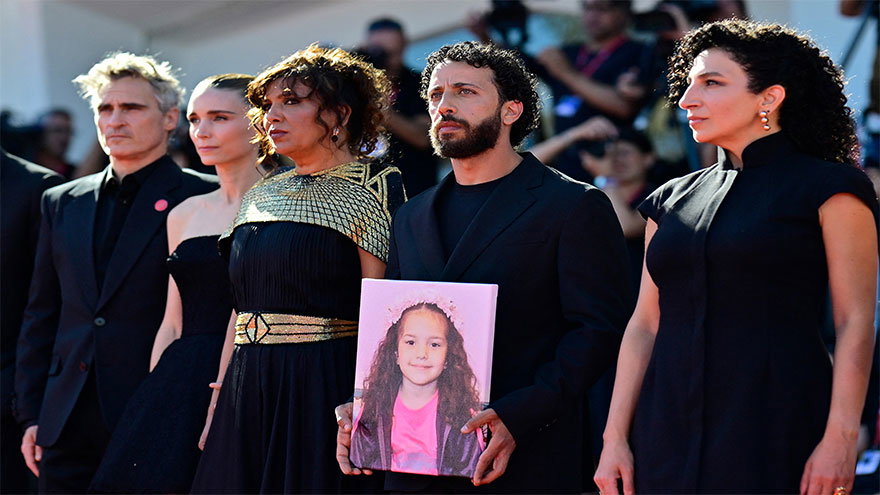
The documentary won a special jury prize at the Venice Film Festival, where it received what reports described as a historic 25-minute standing ovation. The reception turned a work of investigative cinema into an international event — and, in Israel, into a political firestorm.
Netanyahu's order: investigate and prosecute
In a statement issued Sunday evening, Netanyahu's office said the prime minister had asked the chief of staff of the Israeli army, the head of the Shin Bet and the state attorney "to open a thorough investigation targeting the participants in the film 'NAZA' and to prosecute them." Netanyahu described the film, as reported by The Manila Times, as "false, misleading and biased", accusing it of defaming Israel and the army around the world.
The move did not come out of nowhere. Netanyahu has previously declared his intention to support legislation that would strip citizenship from people who "defame" soldiers — a proposal that has already alarmed civil-liberties advocates in Israel. Sunday's order turns that rhetoric into a concrete request for state prosecution of the film's anonymous contributors, most of them apparently current or former service members.
The army pushes back
The Israeli army has "categorically" rejected the accusations contained in the film, expressing doubts about the reliability of the anonymous contributors. But the military's response has so far been rhetorical rather than legal — and Netanyahu's demand now puts the chief of staff in the uncomfortable position of being asked to investigate the very whistleblowers the film says expose the army's own conduct.
The episode is the latest flashpoint in Israel's wider cultural battle over the Gaza war. Pro-Palestinian demonstrations marking the war's anniversaries have drawn crowds on several continents, as documented in earlier coverage of global Gaza protests, while diplomatic tensions have escalated in parallel — including Britain's expulsion of Israeli diplomats over the Jerusalem consulate row.
A new front in the culture war over Gaza
What makes "NAZA" especially volatile is not only its subject matter but its form: the sources are anonymous, the claims concern algorithmic warfare, and the alleged killing mechanism is the AI-assisted targeting infrastructure that has become central to the debate over accountability in modern war. The controversy echoes earlier disputes over whistleblowers and opaque AI systems, including the debate over AI safety whistleblowers in the tech industry.
If the investigation proceeds, it could become a landmark case on whistleblower protection and press freedom in Israel — and a test of how far a government can go in unmasking anonymous sources behind an internationally honoured film. For now, "NAZA" stands as both a cinematic triumph and a legal target: celebrated in Venice, investigated at home.
Frequently Asked Questions
What is the documentary "NAZA"?
It is a documentary about the Gaza war built on testimony from 24 anonymous Israeli military whistleblowers, who allege the army killed numerous civilians using AI-powered targeting systems. The title comes from Israeli military slang for expected civilian casualties in airstrikes.
Why did Netanyahu order an investigation?
Netanyahu called the film "false, misleading and biased" and accused it of defaming Israel and the army worldwide. He asked the army chief of staff, the Shin Bet head and the state attorney to investigate the anonymous participants and prosecute them.
What recognition has the film received?
It won a special jury prize at the Venice Film Festival and reportedly received a historic 25-minute standing ovation, triggering a political storm in Israel.
How did the Israeli army respond to the film's claims?
The army "categorically" rejected the accusations and expressed doubts about the reliability of the anonymous contributors.
Could this lead to legislation?
Netanyahu has previously said he wants legislation to strip citizenship from people who "defame" soldiers, but no such law has been passed. The current move is a request for investigation and prosecution, not a new law.