Around 300 residents of the Indonesian island of Batam stormed a data centre compound carrying empty plastic bottles and jerry cans, in a protest that has become a symbol of a new global tension: the artificial intelligence boom needs staggering amounts of water, and the communities hosting its infrastructure are running dry. According to BBC reporting, the demonstrators gathered at Nongsa Digital Park, accusing the facilities of enjoying uninterrupted water while their own homes went without.
The protest, on 5 October, was not a one-off outburst. Residents of villages around the digital park say their household taps have been dry for three months — in some neighbourhoods, for up to six. What they describe is not a mere inconvenience but a daily grind of queuing for tanker trucks, paying extra for water that arrives dirty, and waiting overnight to collect enough for the next day before leaving for work.
"Our water supply had been reliable until the data centres came"
Dewi Susanti, a resident of Bakau Serip village near the park, told the BBC that not a single drop had come through her taps for three months, and that the supply had been reliable before the data centres arrived. Like many of her neighbours, she now depends on tanker deliveries she described as dirty, cloudy and smelly — water that costs money and cannot be trusted.
Another protester, Andi Lalang, told local reporters that the neighbourhood's water had been severely affected since construction of the data centre began, and that the supply had simply stopped. The October blockade — residents swarmed the compound's access road and refused to move — followed a string of demonstrations over the previous two months, including a late-September protest at the Nongsa Special Economic Zone management office.
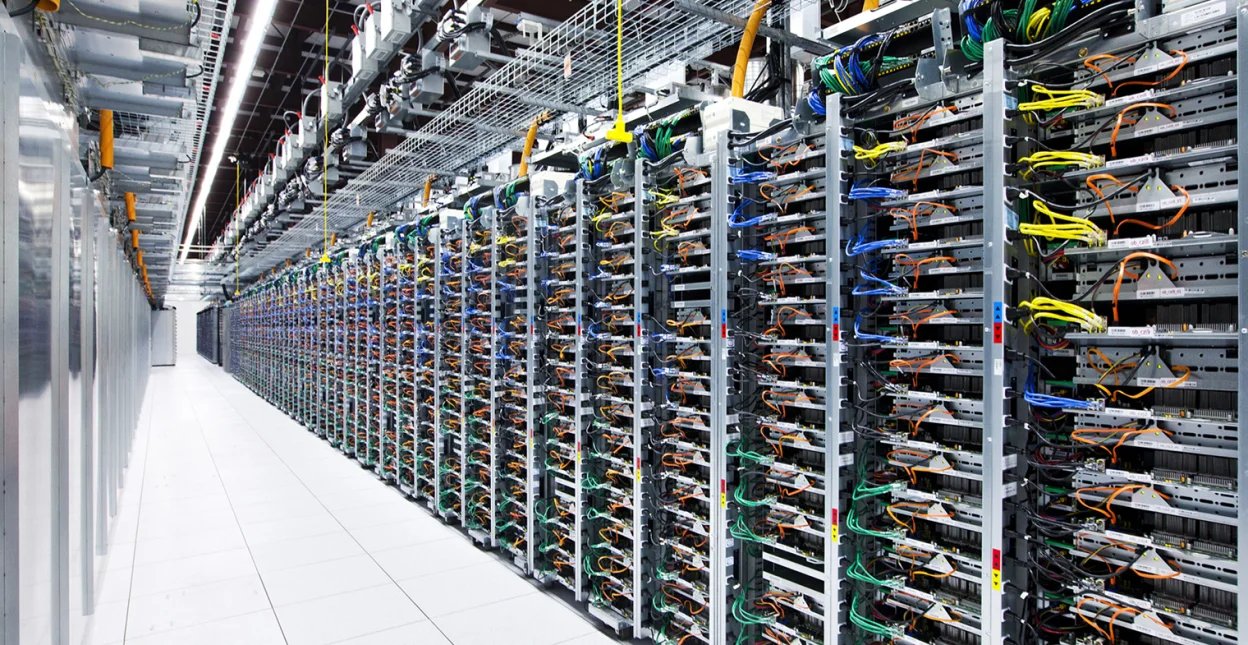
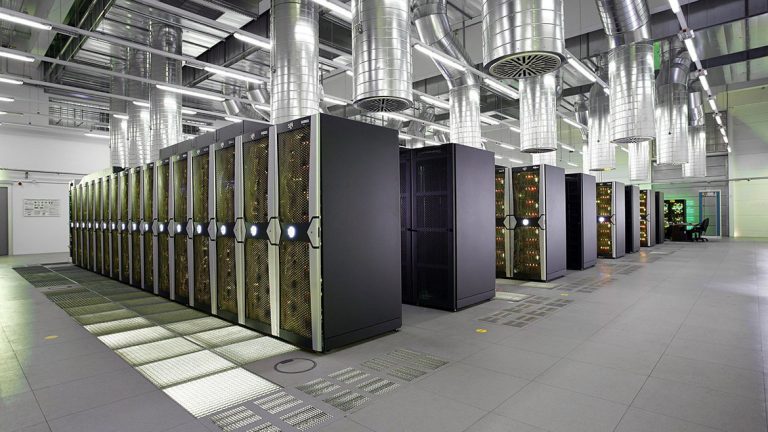
The contrast at the heart of the anger is visible and hard to explain away: while homes go dry, the server halls next door keep running. Data centres need continuous cooling to stop their machines overheating, and cooling means water — lots of it. Globally, a standard facility can consume around 300,000 gallons of water a day, roughly the daily needs of 1,000 US households, while a 50-megawatt facility can use as much as 2,200 households, according to figures cited by The Business Standard.
An island with no rivers
Batam's vulnerability is structural. The island's 1.3 million residents have no natural freshwater sources at all; they depend entirely on rainwater collected in six artificial reservoirs. A prolonged dry spell — worsened, officials say, by a historic "super" El Niño — has pushed reservoir levels down. Local environmental group Akar Bhumi Indonesia has estimated that the Nongsa reservoir, which supplies Bakau Serip, could run dry within a month if rainfall does not resume.
That is the context in which Batam's ambitions collide with its geography. The island is trying to establish itself as a regional digital hub, and the money is pouring in: more than $6.7 billion in data centre investments as of mid-2026. Authorities have approved ten data centres on the island, six of them inside Nongsa Digital Park, with at least six more projects under review.
The authorities' response has been to deny any direct link. BP Batam, the state agency overseeing trade and industry in the free-trade zone, blamed the shortages on the prolonged dry spell and denied allegations that water meant for households was being diverted to the facilities. Batam's water utility told the BBC it was working to improve supplies but did not comment on whether data centres were contributing to the shortages.
After earlier protests in August and September, authorities told firms opening data centres in Batam that they must build their own desalination plants instead of relying on reservoirs for freshwater. But residents say they are increasingly concerned that they must now compete with servers for water — and that the promises are not keeping pace with the construction.
A standoff defused — only partly
A BP Batam official defused the 5 October standoff by promising piped water would be restored within two days, with six tanker trucks dispatched to deliver emergency supply. By the following Wednesday, water was back for roughly 53% of the affected households. For the other half, nothing had changed — and residents told local outlets they are ready to block the road again if the taps run dry a second time.
The episode exposes a transparency problem that extends well beyond one Indonesian island. "Reliable data on data centre water use in Indonesia remains scarce, partly because companies treat it as proprietary information," Agus Hasan, a professor at the Norwegian University of Science and Technology, told the BBC, urging that data centres be built "rationally, transparently, and responsibly" — and that the numbers be made public.
Batam is far from the only place wrestling with this question. From Finland, where work on a Google data centre was halted, to communities across the United States and Europe demanding to know how much water and power the AI boom consumes, the same dispute keeps recurring: the infrastructure of the digital economy is intensely physical, and it lands in real places with finite resources. As AI systems grow ever more powerful and widespread, the servers behind them will need more cooling, more power, and more water — and the bargaining over who pays, and who goes without, is only beginning.
Frequently Asked Questions
Why are Batam residents protesting against data centres?
Around 300 residents stormed the Nongsa Digital Park compound because their household taps have been dry for three months — in some areas up to six — while nearby data centres appear to have continuous water for cooling. They say their supply was reliable before the data centres arrived.
Who is responsible for the water shortages?
That is disputed. Residents blame the data centres' water demand. BP Batam, the agency overseeing the zone, blames a prolonged dry spell and a historic "super" El Niño, and denies that household water is being diverted. Batam has no natural freshwater and depends on six rain-fed reservoirs, so drought is a real factor — but residents argue the new facilities are competing for the same shrinking supply.
How much water does a data centre use?
A standard facility can consume around 300,000 gallons of water a day, roughly the needs of 1,000 US households; a 50-megawatt facility can use as much water as 2,200 households. Exact figures for Batam are hard to pin down because companies treat water-use data as proprietary.
What has been done about the crisis?
After protests in August and September, authorities told data centre firms in Batam to build their own desalination plants rather than relying on reservoirs. After the 5 October blockade, officials promised piped water restored within two days and sent six tanker trucks; about 53% of affected households had water back by the following Wednesday.
What happens next?
Residents say they will block the road again if taps run dry a second time. With more than $6.7 billion in data centre investment on the island and more projects under review, the pressure on Batam's reservoirs is set to grow unless desalination and transparency measures keep pace.
Where can I read the original reporting?
The BBC's original reporting on the Batam protests is covered by The Times of India and The Business Standard.