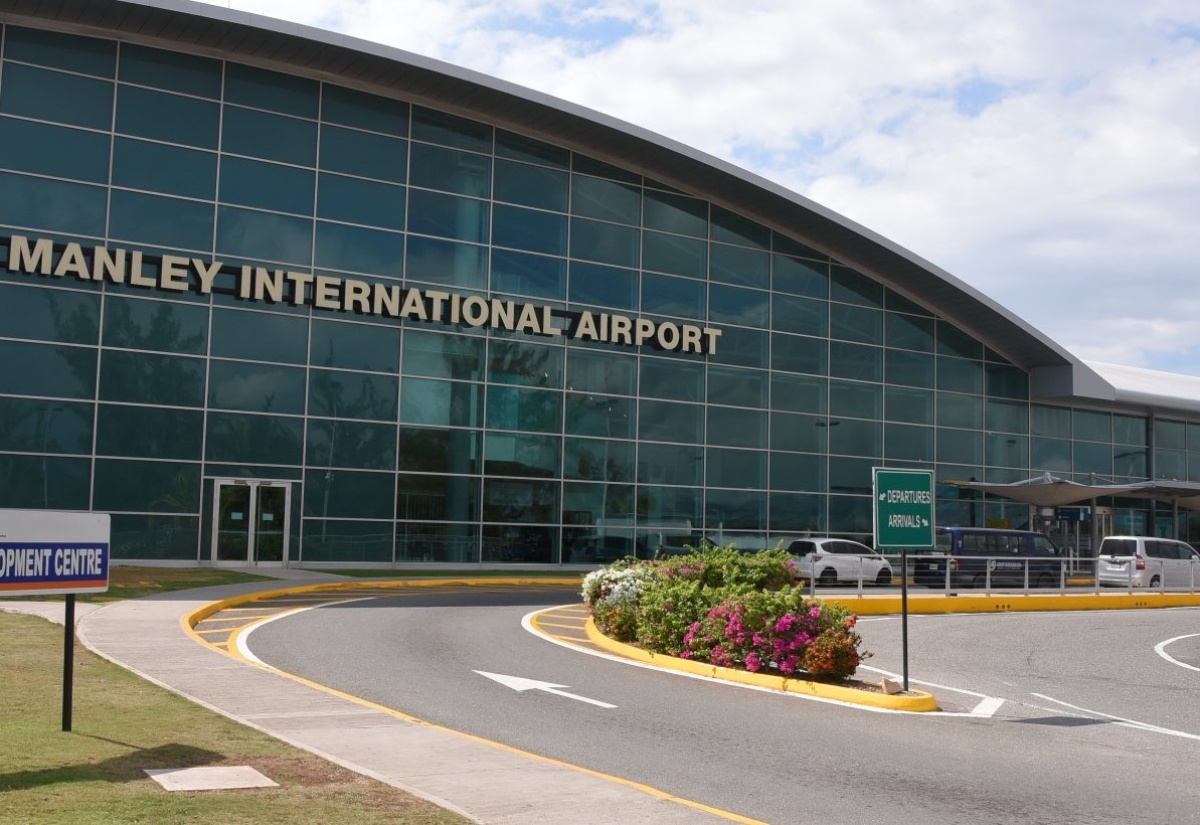
Jamaica has accepted its first flight of third-country nationals deported from the United States, turning a controversial June agreement into an operating reality. Twenty-two deportees arrived at Norman Manley International Airport in Kingston on Tuesday, where they were put on a bus and taken to an undisclosed location, according to media reports cited by Al Jazeera.
The arrival marks the operational start of a bilateral memorandum of understanding (MOU) signed between Kingston and Washington in June. Under the arrangement, Jamaica acts as a transit point: people deported from the US who are not Jamaican citizens are flown to the island, then moved on to their countries of origin or to other states willing to receive them.
This report sets out what happened on Tuesday, the terms Jamaica says it secured, the criticism the deal has drawn at home, and the wider programme of which it is a part.
Table of Contents
- What happened on Tuesday
- The terms Jamaica says it secured
- Opposition criticism at home
- The wider third-country deportation programme
- Key takeaways
- Frequently Asked Questions
- Sources
- Read more on Chronicle
What happened on Tuesday
The first group — 22 adults, including seven women, most of them reported to be South American nationals — arrived at Kingston's Norman Manley International Airport on Tuesday afternoon. They were processed quickly, then boarded a bus under police escort and taken to an undisclosed location. Journalists were not given access to the arrivals.
The flight had been trailed a day earlier. On Monday, Jamaica's Ministry of National Security and Peace and its Ministry of Foreign Affairs and Foreign Trade issued a joint statement saying the first flight "is expected to arrive in Jamaica shortly", and confirming that operating procedures governing the arrangement had been finalised. The Jamaica Observer reported on Monday evening that the first batch of third-country nationals was expected to land on Tuesday.
The terms Jamaica says it secured
Kingston has repeatedly stressed that the deal is a transit arrangement, not resettlement. In its joint statement, the government said it "reiterates that this is a transit arrangement intended to facilitate the return of Third Country Nationals to their country of origin or other receiving countries".
The government has set out four safeguards:
- A cap on numbers: no more than 25 people per fortnight.
- No criminal records: Jamaica says it will not accept deportees with criminal antecedents.
- No Jamaican funding: "The arrangement will not be funded by the Government of Jamaica," the joint statement said.
- International support: the International Organization for Migration (IOM), a United Nations agency, has been formally engaged to provide care for the deportees while they are in Jamaica and to help arrange their onward movement.
A further clause, reported by the Jamaica Observer, provides for suspension of the memorandum if ten third-country nationals apply to remain in Jamaica through asylum applications or other humanitarian processes.
Opposition criticism at home
The deal has drawn sharp criticism from opposition leaders in Jamaica, who have framed it as a threat to the island's security and questioned why the agreement was not debated publicly before it took effect. The secrecy around Tuesday's flight — the undisclosed destination, the absence of media access, and the closely guarded passenger details — has only deepened those complaints.
The government's answer has been to emphasise procedure: the operating procedures, it says, include "necessary safeguards and parameters to ensure its implementation in a safe, orderly and lawful manner". Whether that reassurance satisfies parliament and the public will become clearer at this week's post-Cabinet press briefing, where the government is expected to give an update.
The wider third-country deportation programme
Jamaica is far from the first country to accept third-country deportations from the United States — and the practice has become a defining feature of the Trump administration's drive to carry out what it describes as the largest mass deportation campaign in US history.
At least 35 countries have entered into third-country deportation agreements with Washington, according to Third Country Deportation Watch, an advocacy project affiliated with Refugees International and Human Rights First. Migrants have previously been sent to countries including Liberia, Eswatini, Paraguay, South Sudan and, as Chronicle reported earlier this month, Burundi — which agreed to receive deportees on condition they face no prosecution and have no links to terrorism.
The Washington Post reported last month that the Trump administration has earmarked roughly $410m to support such efforts. The programme's legality is contested: human rights groups and advocates have questioned whether sending people to countries with which they have no ties complies with US law and international obligations, and the issue is expected to be debated before the US Supreme Court.
Supporters of the policy in Washington argue it is necessary when countries of origin refuse to take back their own nationals. Critics say the agreements turn migrants into bargaining chips and risk exposing people to detention or harm in countries that lack the capacity — or the legal frameworks — to protect them.
Key takeaways
- Jamaica received its first flight of 22 third-country deportees from the US on Tuesday, landing at Norman Manley International Airport in Kingston (Al Jazeera).
- The group — 22 adults including seven women, mostly reported to be South American — was taken by bus under police escort to an undisclosed location; media were not given access.
- The flight activates a memorandum of understanding signed in June: Jamaica is a transit point, not a final destination, for the deportees.
- Jamaica's stated safeguards: a maximum of 25 people per fortnight, no deportees with criminal records, no Jamaican government funding, and IOM support for care and onward movement.
- The deal suspends if ten deportees apply to remain in Jamaica via asylum or other humanitarian processes.
- Opposition leaders criticised the deal as a security threat and objected that it was never publicly debated.
- At least 35 countries have signed third-country deportation deals with the US; the Trump administration has reportedly earmarked about $410m for the effort.
- The programme's legality is disputed by rights groups and is expected to face scrutiny in the US Supreme Court.
Frequently Asked Questions
What is a third-country deportation?
A third-country deportation sends a migrant to a country that is neither their country of citizenship nor a country they have lived in. The US has increasingly used such arrangements when it says countries of origin refuse to accept their own nationals back.
Why did Jamaica agree to the deal?
Kingston signed a memorandum of understanding with Washington in June 2026 under which it acts as a transit hub: deportees arrive in Jamaica and are then moved on to their home countries or other receiving states. The government says the arrangement is temporary, capped, and not funded by Jamaica.
Who were the 22 people on the first flight?
The first group consisted of 22 adults, including seven women, reported to be mostly South American nationals. Official passenger details were not released, and the group was taken to an undisclosed location after arrival.
What happens to the deportees now?
Under the arrangement, the International Organization for Migration provides care while they are in Jamaica and helps arrange their onward movement to their countries of origin or other destinations willing to receive them.
Can the deal be suspended?
Yes. The memorandum provides for suspension if ten third-country nationals apply to remain in Jamaica through asylum applications or other humanitarian processes.
Why is the programme controversial?
Human rights groups argue that sending people to countries with which they have no ties can expose them to detention or harm and may sidestep protections granted by US immigration courts. Opposition leaders in Jamaica have also objected that the deal was not debated publicly.
Sources
- Al Jazeera — aljazeera.com — Jamaica accepts first flight of third-country deportations from US.
- Jamaica Observer — jamaicaobserver.com — TCN deal takes flight; first batch expected Tuesday, mostly South Americans, cap of 25 per fortnight.
- Jamaica Observer — jamaicaobserver.com — Government joint statement: operating procedures finalised, IOM engaged, suspension clause.