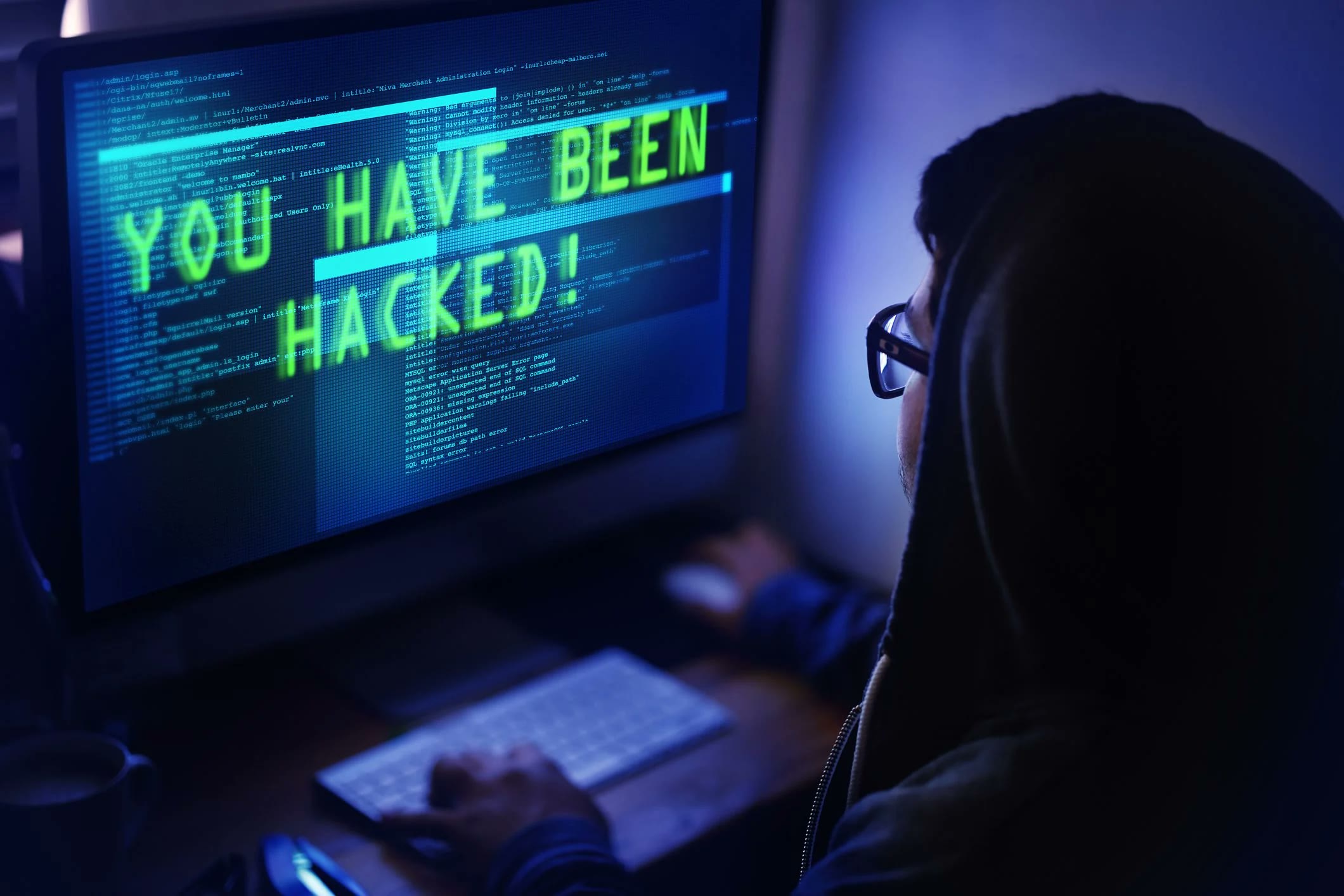
Three of the biggest names in global finance — JPMorgan Chase, Visa and Mastercard — disclosed on Thursday, November 19, 2026, that customer information was exposed in a cyberattack on third-party service providers. All three companies stressed that their own systems were not breached and that no payment data was taken. But behind the reassuring statements lies a messier story: an extortion group claims it stole the data, the vendor at the centre of the incident has not been named, and the leaked names and email addresses are exactly the raw material used for phishing scams. (Channel News Asia)
JPMorgan Chase, the largest bank in the United States, said outside companies that provide services to the firm were the target of the attack. "Based on our investigation so far, we believe the attackers accessed certain marketing data held by those vendors, which may include some customer names and email addresses," a spokesperson said, adding that the bank would contact affected customers directly and offer support, including complimentary credit monitoring.
Visa said the claims about its customers were "associated with an incident involving a third-party service provider in Asia Pacific", and that its own systems "were not involved and were not impacted". No payment data such as card numbers was affected, the company said. Mastercard said a limited number of email addresses — non-payment information — belonging to a small subset of cardholders in one benefit programme had been exposed, with no impact on its payment network. Seth Eisen, a Mastercard senior vice-president, said the exposure had been contained.
What the attackers claim — and what has not been verified
The disclosures followed claims by a cyber extortion group calling itself n0n, which said on November 16 that it had obtained customer records from the three companies and posted files it said came from their suppliers. Reuters reviewed the posted material and found what appeared to be more than 16,000 JPMorgan customer email addresses and about 124 bank employee email addresses, some accompanied by phone numbers and postal codes. The agency said it could not independently verify the authenticity of the data.
The group's claims go further than the companies' statements. According to a screenshot captured by cybercrime research platform eCrime.ch, n0n said it had obtained cardholder engagement records including "hundreds of thousands of campaign interactions for tens of thousands of distinct cardmember email addresses". Researchers at Cybernews who examined the leaked files reported a more detailed picture than the bank's statement, finding about 16,000 customer email addresses, some with phone numbers or Chase account identifiers, plus more than 100 employee email addresses — records that appear tied to the bank's invitation-only Reserve credit card programme. Chase has not confirmed those details.
The same group posted similar claims about Visa and Mastercard on November 16. Reuters reported that the purported Visa data largely concerned Asia-Pacific markets — including Hong Kong, Taiwan, Korea, Japan, the Philippines, Singapore, Malaysia, Australia and Macau — while the Mastercard material included marketing information for customers in North America, the Middle East and Africa, plus a small number of employee email addresses.
The missing piece: which vendor was breached?
The most striking gap in the public record is that none of the three companies has named the vendor that was compromised. The group n0n first claimed on November 11 to have broken into Qubole, a cloud data platform, and security researchers have documented stolen Qubole credentials being used to reach customer environments through trusted integrations. But the Qubole link remains unconfirmed, and none of the three companies has established a common compromised supplier.
That silence matters, because the pattern is what security experts find most alarming. The incident was not a break-in at a bank or a card network. It was an attack on the companies around them — the marketing and service providers that hold customer contact data on their behalf, often with standing access that nobody monitors closely. It is the same weak link that has appeared again and again: in October, European supermarkets were hit by a second wave of attacks on refrigeration systems run by outside suppliers. (Europe's supermarket fridge cyberattacks)
The scale of the group behind the claims adds to the concern. According to eCrime.ch, n0n has claimed roughly 200 incidents since emerging in September 2026. It steals data and threatens to publish it unless a ransom is paid — a model that turns every poorly guarded vendor into a door into far bigger targets.
What customers should actually do
The companies' message to customers is, in essence, that nothing important was taken: no card numbers, no passwords, no Social Security numbers. That is true as far as it goes. But names and email addresses are not harmless. They are the starting point for phishing — convincing fake emails and messages that impersonate a bank or a card company and trick people into handing over the credentials that were not stolen in the first place.
Anyone who banks with Chase or holds a Visa or Mastercard should treat unexpected messages claiming to be from their bank with extra suspicion in the coming weeks, and should never click links in unsolicited emails or texts. JPMorgan said it will contact affected customers directly; customers who receive such a message should verify it through the bank's official app or website rather than replying to the message itself. Freezing credit reports and enabling transaction alerts are sensible precautions for anyone whose contact details may have circulated.
The episode also underlines a wider shift in financial crime. The biggest institutions now spend billions on their own defences, so attackers increasingly go after the smaller firms around them — the vendors, the marketing agencies, the data platforms — where the same customer information sits behind far weaker protections. Rakuten Securities suffered a similar lesson earlier this month, when a data breach exposed 15 million accounts.
A separate outage, and a week of bad news for banks
JPMorgan separately rejected any connection between the vendor attack and transaction-processing problems some customers experienced earlier in the week, which the bank attributed to a software bug. The distinction matters: the two events coincided, but the bank says they are unrelated.
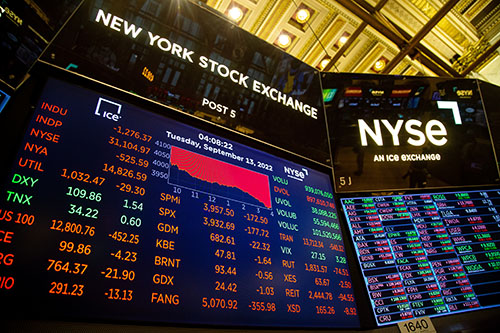
The disclosures cap a bruising week for financial markets, which have been sliding for five straight sessions as doubts about the artificial intelligence boom spread. (Global stocks slide for a fifth day) For the three companies, the immediate damage looks limited — no payment systems were disrupted, and no card data was exposed. The longer question is whether regulators and customers will accept a model in which the world's largest financial firms entrust sensitive customer data to vendors they cannot, or will not, name when something goes wrong.
Frequently Asked Questions
Was my card number or money at risk?
No, according to all three companies. JPMorgan, Visa and Mastercard each said no payment data — including card numbers — was compromised, and that their payment networks and services were unaffected. What was exposed was marketing and contact information, mainly names and email addresses.
What data was actually exposed?
JPMorgan said attackers accessed marketing data held by its vendors, which may include some customer names and email addresses. Visa said no payment data was affected. Mastercard said a limited number of email addresses from a small subset of cardholders in one benefit programme were exposed. Unverified files posted by the extortion group appear to contain more than 16,000 JPMorgan customer email addresses, some with phone numbers and postal codes, but Reuters could not verify the data.
Who is behind the attack?
A cyber extortion group calling itself n0n claimed responsibility. It emerged in September 2026 and, according to eCrime.ch, has claimed roughly 200 incidents since then. The group steals data and threatens to leak it unless a ransom is paid. It claimed on November 11 to have breached the cloud data platform Qubole, but that link is unconfirmed.
Which vendor was breached?
None of the three companies has publicly named the vendor or vendors involved. Visa said only that the incident involved a third-party service provider in Asia Pacific. The companies have not established a common compromised supplier.
What should customers do now?
Be extra cautious about unexpected emails or text messages claiming to be from your bank or card company, since the leaked names and email addresses can be used for phishing. Verify any message through the official app or website, never click links in unsolicited messages, and consider enabling transaction alerts. JPMorgan said it will contact affected customers directly and offer complimentary credit monitoring.