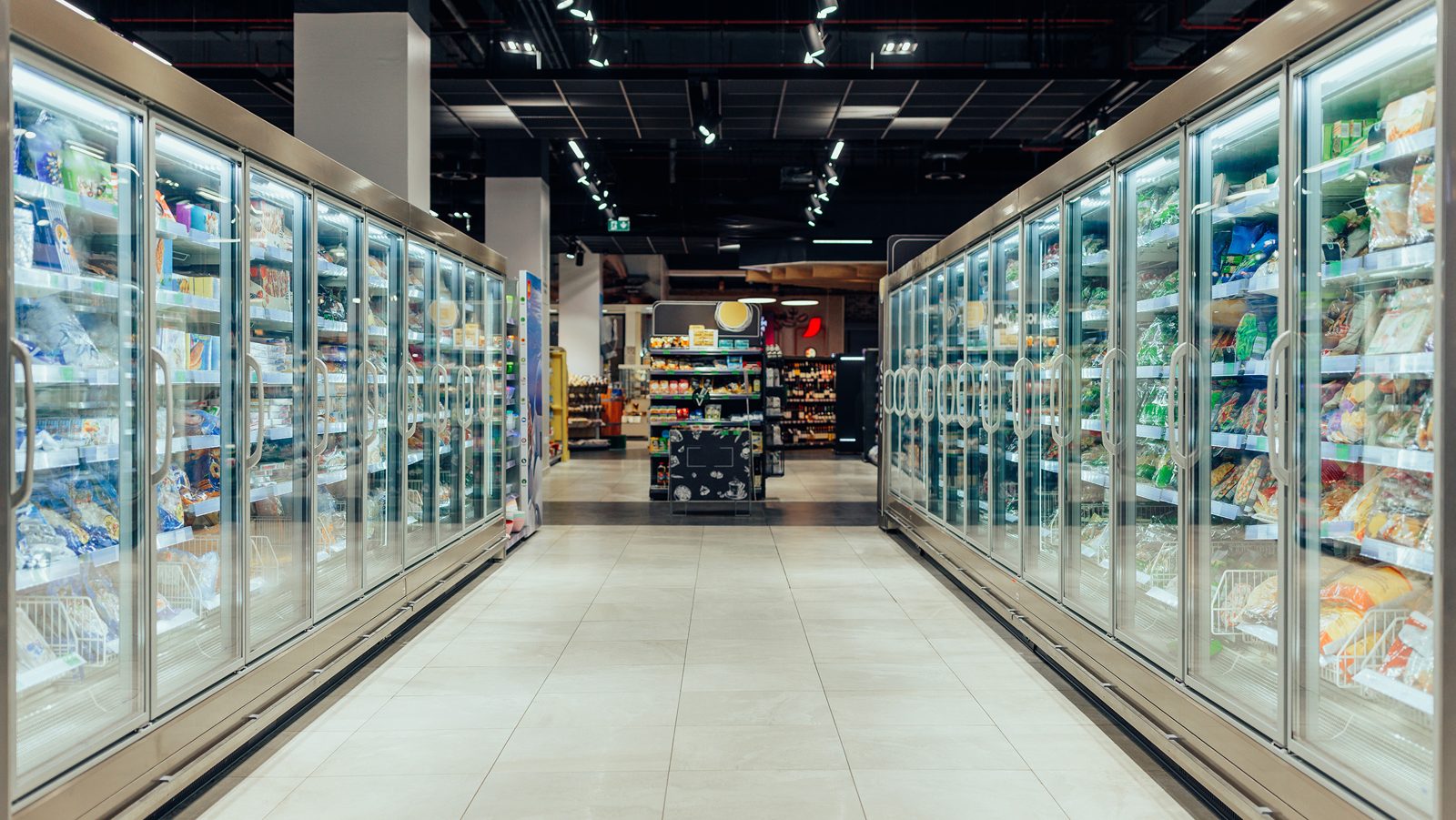
Supermarkets across Europe woke on Monday to a familiar and unwelcome problem: refrigerators and freezers that had suddenly stopped keeping food cold. Retailers in Belgium, Sweden, Ireland, Luxembourg, Estonia and Finland reported overnight temperature spikes in their cooling systems, in what investigators and industry officials suspect is a second wave of cyberattacks on grocery refrigeration — barely three weeks after a similar assault disrupted hundreds of stores in France (Al Jazeera).
No group has publicly claimed responsibility, and not every affected chain has confirmed that its systems were hacked. But the pattern — simultaneous failures across several countries, settings remotely altered, and food discarded on a large scale — has alarmed cybersecurity officials and renewed questions about how exposed everyday infrastructure has become now that even a supermarket freezer is connected to the internet.
What happened overnight
The problems emerged overnight between Sunday and Monday. In Belgium, Ahold Delhaize confirmed an "IT incident" affecting refrigeration at a number of its Delhaize shops, saying temperature increases were detected on Monday morning and that the company was investigating. Belgian broadcaster RTL Info reported around 40 Delhaize stores affected, along with about 15 Carrefour outlets, around 15 Intermarché stores and five Spar shops. Carrefour Belgium said 15 of its more than 700 outlets were hit, describing the impact as extremely limited.
The most detailed technical account came from Sabcobel, the refrigeration contractor that operates systems for Delhaize and other chains. Its chief executive told Belgium's Belga news agency that a cyberattack was to blame, after fridge and freezer units' evaporators were switched into defrost mode. Technicians worked through the night disconnecting affected installations.
In Sweden, ICA said a limited number of its stores were affected overnight, while Coop confirmed problems at six of its roughly 800 stores in central Sweden, where units either stopped working entirely or were partially impaired. At ICA Kvantum in Sjöbo, in southern Sweden, staff found freezer settings changed to 50 degrees Celsius (122 degrees Fahrenheit) and said they could not restore them; the store said on its Facebook page that its fridges and freezers had been hacked, and its manager told Swedish television that food worth hundreds of thousands of kronor had been ruined. Axfood, another Swedish retailer, said freezers at a distribution centre for home grocery deliveries near Gothenburg were also hacked.
Ireland's Musgrave Group said a cyber incident affected refrigeration at 13 of its 223 SuperValu stores, involving a specific model of refrigeration system. In Finland, Kesko, the country's second-biggest grocer, said some refrigeration equipment in a few smaller K-food stores experienced temperature anomalies overnight. In Estonia, technology supplier Kitman Coldtech told public broadcaster ERR that one of its clients had been hit, with temperatures set to 50 degrees Celsius.
Sweden's national cybersecurity centre confirmed it was responding to several incidents involving grocery refrigeration systems, its head John Billow told Reuters.
An echo of the French attacks
The new incidents closely resemble the attacks that struck France last month, when several major chains — including E. Leclerc, Intermarché and Cooperative U — said hundreds of stores had been hit. In that wave, refrigeration temperatures surged as high as 50 degrees Celsius, spoiling food and causing fires at several stores, and shops were forced to throw out large quantities of damaged goods. Our earlier coverage examined how the French attacks were linked to refrigeration controllers made by Danish manufacturer Danfoss, which security researchers said were no longer receiving security updates, in France supermarkets hit by fridge hack linked to Danfoss systems.
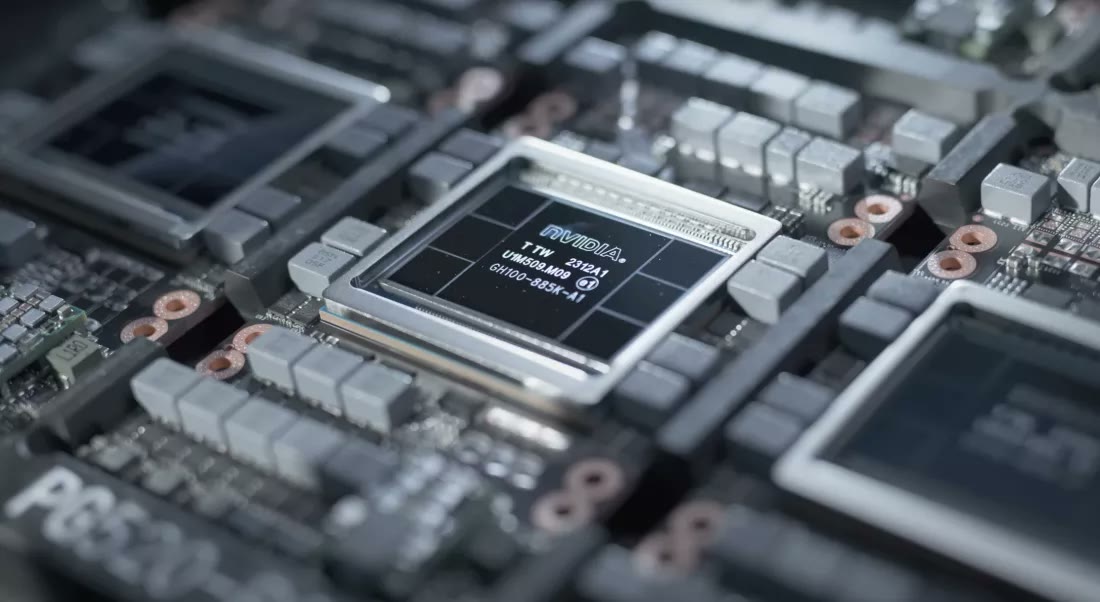
Security firm Claroty had warned as early as August that those refrigerator units were at risk of remote hacks and outages. France's CERT-FR later confirmed compromises involving Danfoss AK-SM and AK-SC controllers and Copeland/Dixell XWEB systems. Whether the same equipment is involved in the latest wave remains unknown: the manufacturer, controller models and initial access method in the November incidents have not yet been identified, and some chains have been careful not to jump to conclusions. ICA and Coop spokespeople initially told news agencies they had no immediate information confirming a cyberattack, even as individual stores blamed hackers.
That caution matters. A temperature spike can have mundane causes, and investigators will need forensic evidence before attributing each failure. But the cross-border simultaneity, the defrost-mode switching described by Sabcobel, and the repeat of the French playbook have left few officials willing to treat the incidents as coincidence.
Why a supermarket freezer is a target
The attacks expose a quiet transformation in how food retail works. Refrigeration was once a purely mechanical system: a compressor, a thermostat, a technician with a wrench. Today, large chains monitor thousands of cabinets remotely from central systems, adjusting temperatures, scheduling defrost cycles and receiving alarms over the internet. That connectivity saves energy and labour — and creates an attack surface.
Older controllers are a particular problem. Equipment installed years ago may run outdated software, use default or shared credentials, or sit on networks that were never designed with hostile internet traffic in mind. When a vendor stops issuing security updates, as researchers said happened with some Danfoss units, every unpatched device becomes a standing invitation.
The consequences are unusually tangible for a cyberattack. Unlike a data breach, where the damage is measured in leaked records, a refrigeration hack destroys physical goods within hours: meat, dairy and frozen food that warms beyond safe temperatures cannot be sold and must be discarded. Stores lose stock, supply chains absorb the cost, and consumers face empty shelves — all without a single shot being fired or a single server room being breached.
A wider pattern of infrastructure pressure
European governments have blamed Moscow for a growing number of incidents affecting infrastructure in recent months, including cyberattacks, though no attribution has been made in the supermarket cases. Ahold Delhaize disclosed that it had reported a cybersecurity incident to Dutch police last month after detecting suspicious activity in its infrastructure, and TechCrunch reported that US Department of Defense officials are investigating whether freezer units on military bases were also targeted, allegedly by Iran-backed hackers. Those reports remain unverified, and investigators have stressed that attribution in such cases takes time.
What is clearer is the strategic logic that security analysts see in this kind of attack: it is cheap, deniable, and disruptive in a way ordinary shoppers can feel. A fridge that stops working does not make headlines like a power grid failure, but multiplied across dozens of stores in six countries, it erodes confidence in the systems people rely on daily. The French wave in October showed the template; the November wave shows it can be repeated.
What happens next
Retailers are now in damage-control mode: isolating affected systems, discarding spoiled food, and checking whether other stores on the same platforms are vulnerable. Cybersecurity agencies in the affected countries are comparing notes, and investigators will be looking for common equipment, shared suppliers or identical intrusion methods that could confirm a coordinated campaign.
For the industry, the longer-term questions are harder. Replacing or patching thousands of refrigeration controllers across Europe is expensive and slow, and many smaller independent stores lack dedicated IT staff altogether. Regulators may also face pressure to treat food-retail refrigeration as critical infrastructure, with the same security expectations applied to energy or telecoms networks. Until then, the humble supermarket freezer — long an afterthought of the digital economy — has become one of its most visible weak points, as our earlier report on the October attacks on French supermarkets already warned.
Frequently Asked Questions
Which countries were affected by the November supermarket fridge incidents?
Belgium, Sweden, Ireland, Luxembourg, Estonia and Finland all reported refrigerator or freezer failures overnight between 1 and 2 November 2026, affecting chains including Delhaize, Carrefour, Spar, ICA, Coop, SuperValu and K-food stores.
Has anyone claimed responsibility for the attacks?
No. No group has publicly claimed responsibility, and while some retailers and contractors have blamed cyberattacks, others have said only that they are investigating an IT incident. No government has formally attributed the November incidents to any actor.
How is this wave connected to the October attacks in France?
The incidents follow a similar pattern — remotely altered refrigeration settings, temperatures rising as high as 50 degrees Celsius, and spoiled food discarded — weeks after hundreds of French stores were hit. Investigators have not yet confirmed whether the same equipment or intrusion method is involved.
Why are supermarket refrigeration systems vulnerable to hacking?
Modern chains monitor and control refrigeration remotely over the internet, and some older controllers run outdated software or no longer receive security updates. That connectivity, combined with weak segmentation between operational systems and the wider internet, lets attackers alter temperature and defrost settings from afar.
What should shoppers do?
There is no specific action needed for shoppers. Affected stores are discarding food that warmed beyond safe temperatures rather than selling it, so the main visible effect is reduced availability of chilled and frozen goods at some outlets while systems are restored.