Dockworkers across 113 ports in 22 countries stopped work on Friday, October 30, disrupting cargo handling and ferry services in one of the largest coordinated port actions ever staged, in protest at the use of civilian harbours for arms shipments and the mounting deaths of seafarers in wartime waters.
More than 25 unions backed the day of action, which began with dockers in Italy, France, Greece, Spain's Basque Country, Turkey and Morocco and spread to ports on five continents, according to organisers. The stoppages ranged from full 24-hour strikes in France, Italy, Greece and Turkey to shorter walkouts of a few hours elsewhere, with demonstrations held outside terminals from Piraeus to Genoa.
A protest that started in six countries and spread worldwide
The action was called under the banner "Dockworkers Don't Work for War". At the Greek port of Piraeus, where around 3,000 workers joined a walkout that also disrupted ferries, the head of the Greek union of merchant marine engineers, Apostolos Kypraios, told Reuters that dockers refused to serve conflicts they had no part in choosing. "We will not work for their wars, and we will not become food for their cannons," he said at a rally at the port.
In France, the CGT dockers' union called a 24-hour strike across its ports, and a local union official said no cargo was being loaded or unloaded at Le Havre on Friday morning, with no trucks at either entrance to the port. CGT leader Tony Hautbois told reporters he expected about 95 per cent of activity at French ports to stop, covering around 14,000 port workers including 7,500 dockers, Port Technology International reported.
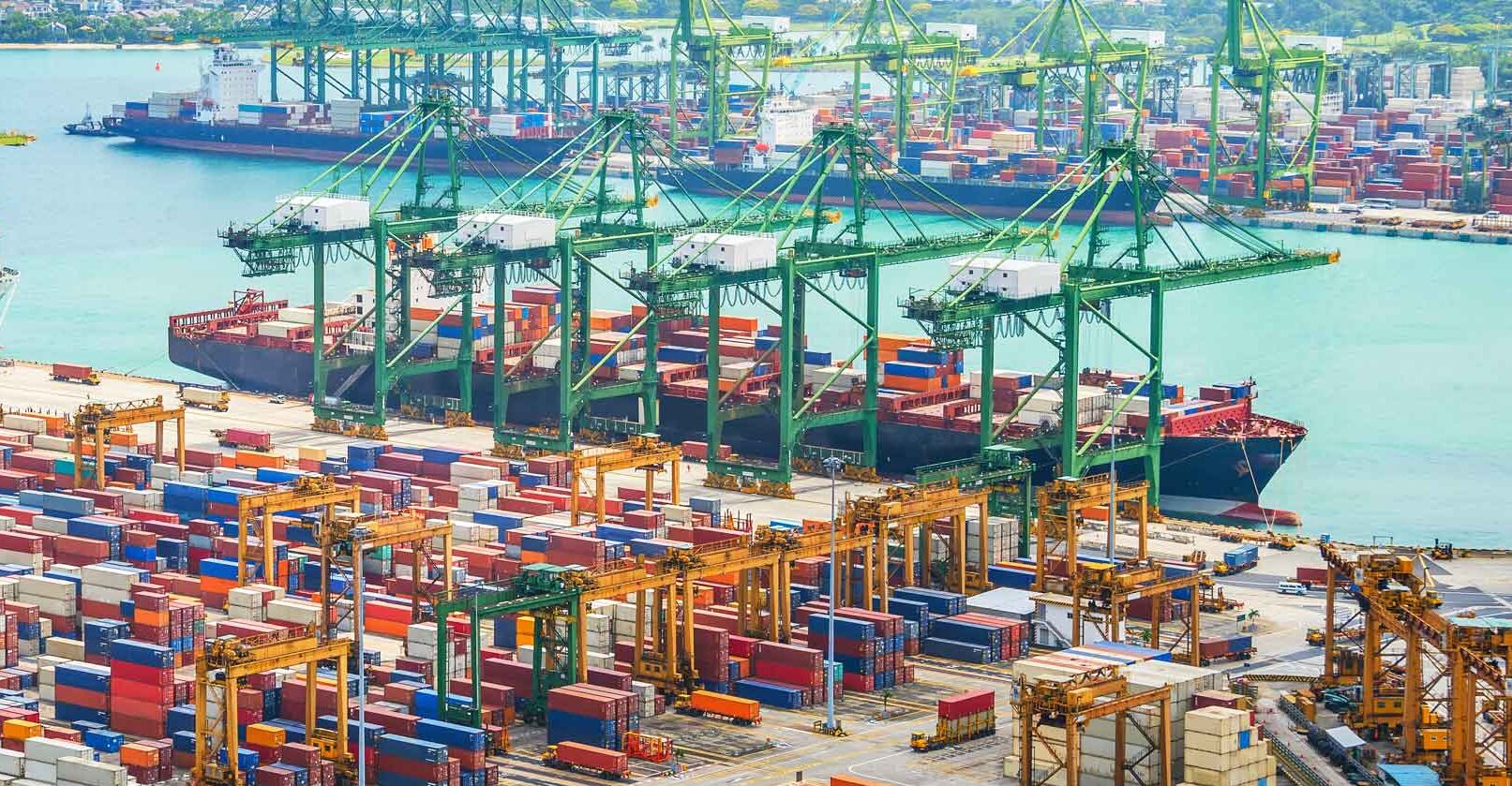
Major hubs named among those affected included Piraeus, Valencia, Algeciras, Le Havre and Genoa, as well as Morocco's Tangier Med and India's Nhava Sheva. In Spain, the Coordinadora union filed notice of a two-hour stoppage, from 13:00 to 15:00, at all state ports of general interest. In the United States, International Longshore and Warehouse Union Local 10 took part in actions in Oakland and San Francisco, according to gCaptain.
Table of Contents
- A protest that started in six countries and spread worldwide
- What the dockers are demanding
- The human cost at sea
- How much trade was disrupted
- A campaign years in the making
- What happens next
- Frequently Asked Questions
What the dockers are demanding
At the heart of the protest is a single demand: that commercial ports should not be used as logistics hubs for military operations. The unions want an end to the movement of weapons, ammunition, military equipment and troops through civilian terminals, and they are pressing governments and employers to respect workers' right to refuse military cargo without retaliation — a call backed by the International Transport Workers' Federation.
The strikers also raised bread-and-butter claims alongside the political ones: pay rises, better working conditions, and the right to have doctors on board vessels crossing war zones. In Spain, unions added a further objection to the European Union's Ports Strategy, adopted in March 2026, warning that converting civilian terminals into dual-use facilities for military cargo could put port workers themselves at risk. European unions also oppose a draft EU regulation designed to ease the transit of defence equipment through civilian transport infrastructure.
The campaign group "No Harbour for Genocide", which tracks military supply chains through commercial ports, supported the action. It says its research identified 315 shipments of components for Israeli defence manufacturer Elbit Systems passing through 56 commercial ports in 29 countries between August 2025 and September 2026, and about 3,400 shipments supplying United States military bases through 67 ports in 42 countries between December 2025 and September 2026. Those figures have not been independently verified.
The human cost at sea
The unions framed the strike as a response to a deadly year for seafarers. Organisers cited 28 attacks on vessels in the Gulf in the first 21 days of October alone — described as a record since the start of the Iran war — and 570 confirmed attacks in the Black Sea so far this year, leaving 40 seafarers dead and hundreds wounded.
Those waters have become steadily more dangerous for civilian shipping in recent months, a trend Chronicle has covered in the surge in oil prices linked to Hormuz shipping disruption and the projectile strikes on tankers in the Strait of Hormuz. For dockers, the argument is that the danger does not stop at the shoreline: the same ports that load military cargo also send civilian crews into the firing line.
How much trade was disrupted
The scale of the economic disruption is contested, and Friday's figures should be read with care. Organisers said the action could delay some 52,000 containers carrying cargo worth about $2.8 billion, with a direct cost to shipping companies of around $57 million — numbers Reuters said it could not independently verify. Other organiser estimates put the delayed cargo at more than $2 billion and the number of containers at 40,000.
What is clearer is the footprint of the participating ports: organisers say they collectively handle about 13.5 per cent of global shipping activity and 63 per cent of Mediterranean container traffic. Even so, the real-world impact varied sharply by port. A spokesperson for the Italian port of Genoa said the effect there might remain limited, and the full extent of delays will only become clear as vessels and schedules are reassessed over the coming days. Labour disputes have disrupted European industry repeatedly this year, including Belgium's public-sector strike over budget cuts, but few have been coordinated across so many countries at once.
A campaign years in the making
Friday's action did not emerge overnight. In May 2026, dockworkers' unions from more than 35 European countries published the so-called Istanbul Declaration, demanding that port facilities not be used to transport weapons destined for war zones. Italian ports, particularly Genoa, have played a leading role in that push, having previously staged blockades against shipments bound for Israel and United States military bases.
The timing also reflects a broader shift in the arms trade. According to data published this year by the Stockholm International Peace Research Institute, Europe became the world's largest importer of arms between 2021 and 2025 — a fact the unions cite as evidence that civilian infrastructure has been drawn ever deeper into military supply chains.
What happens next
Friday was billed as a one-day action, but organisers have signalled that it is part of a longer campaign rather than a single protest. The unions will now watch whether governments and port operators respond to the demand for a right to refuse military cargo, and whether the disruption — however large it ultimately proves — forces the question onto the agenda at EU level, where the draft defence-transit regulation is still under debate.
For shipping companies, the immediate task is practical: rerouting vessels, rescheduling berths and absorbing delays that may ripple through Mediterranean supply chains for days. For the dockers, the message they carried on banners in Piraeus and beyond was simpler, and it is likely to be heard again: ports are for peoples and for peace, not for war.
Frequently Asked Questions
How many ports and countries took part in the October 30 dockworkers' strike?
Organisers said more than 25 unions took part, representing 113 ports in 22 countries across five continents. The International Transport Workers' Federation put the figure at more than 100 ports in 17 countries, so the exact tally depends on how participating ports are counted.
Which major ports were affected?
The largest disruptions were reported in France, Italy, Greece and Turkey, where unions called 24-hour strikes. Named hubs included Piraeus, Valencia, Algeciras, Le Havre, Genoa, Marseille and Trieste, plus Morocco's Tangier Med and India's Nhava Sheva, with actions also reported in Oakland and San Francisco in the United States.
What are the dockworkers demanding?
They demand an end to the movement of weapons, ammunition, military equipment and troops through civilian ports, the right to refuse military cargo without retaliation, and improvements including pay rises, better working conditions and doctors on board vessels crossing war zones.
How much cargo was delayed?
Organisers estimated about 52,000 containers carrying cargo worth roughly $2.8 billion could be delayed, at a direct cost of around $57 million to shipping companies. Reuters noted it could not independently verify those figures, and the impact varied considerably from port to port.
Is this part of a longer campaign?
Yes. In May 2026, dockworkers' unions from more than 35 European countries published the Istanbul Declaration demanding that port facilities not be used to transport weapons to war zones, and Italian dockers in particular have staged earlier blockades against military shipments.