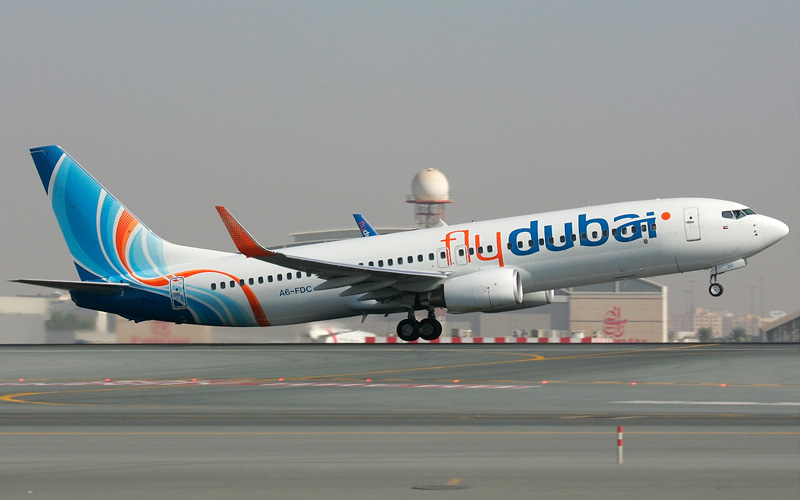
The United Arab Emirates' top prosecutor said on Friday that the Omani co-pilot who attacked the captain of FlyDubai flight 1073 had planned to crash the aircraft into Tel Aviv's international airport in a suicide attack inspired by the September 11, 2001 attacks, according to France 24. The revelation transforms what first appeared to be a violent cockpit struggle into one of the most chilling aviation terror plots in recent memory.
Table of Contents
- What the prosecutor revealed
- A flight that came terrifyingly close
- Why Tel Aviv — and why 9/11
- The region's widening aviation terror problem
- Frequently Asked Questions
- Sources
- Related from Chronicle
What the prosecutor revealed
The UAE's chief prosecutor announced on Friday, October 9, that investigators had established the co-pilot's motive and intended target: he meant to seize control of the aircraft and steer it into Tel Aviv's Ben Gurion International Airport, deliberately modelling his plan on the September 11 attacks that killed nearly 3,000 people in the United States.
The announcement adds a premeditated, ideological dimension to an incident that had already shocked the aviation world. The co-pilot — an Omani national — had launched a violent assault on the flight's captain mid-flight, in what investigators first described as an act of terrorism. Prosecutors are expected to bring formal charges building on that earlier declaration.
A flight that came terrifyingly close
Flight 1073, bound for Israel, was carrying 182 people when the co-pilot attacked. What followed was a fight for control of the aircraft at altitude: the captain — an Indian pilot who later described his ordeal — fought back while the jet was thrown into a descent so violent that part of its rudder was torn away.
The aircraft made an emergency landing in Saudi Arabia, ending a scenario that aviation experts say could have produced catastrophic loss of life both in the air and on the ground. Israel's security establishment had already been placed on alert during the incident, with Israeli officials later reporting that the air force had been prepared to intercept the aircraft if it continued toward Israeli airspace (CBS reporting covered in Chronicle's earlier coverage).
Why Tel Aviv — and why 9/11
The prosecutor's statement that the plot was explicitly inspired by the September 11 attacks carries enormous symbolic weight. The 2001 hijackings remain the deadliest act of aviation terrorism in history, and their invocation by a serving commercial pilot suggests an attacker who studied the playbook of mass-casualty aviation terror.
Tel Aviv's Ben Gurion airport is among the most heavily secured airports in the world — which makes it an unlikely target for a conventional ground assault, but a uniquely symbolic one for an attack launched from the cockpit itself. The plot exposes the one vulnerability no perimeter fence can fix: the trusted insider.
The region's widening aviation terror problem
The case lands amid a cluster of alarming aviation security incidents in the region. The same FlyDubai flight had already produced a story of heroism, as the Indian captain's resistance was credited with preventing a far worse outcome (full account). The UAE moved swiftly to classify the co-pilot's actions as terrorism.
For regulators and airlines, the prosecutor's revelation will intensify long-running debates about pilot psychological screening, cockpit access protocols, and the two-person-in-cockpit rules that many carriers tightened after the 2015 Germanwings disaster — rules designed precisely for the insider threat this plot embodies.
Frequently Asked Questions
What exactly did the UAE prosecutor say?
The chief prosecutor said on October 9 that the Omani co-pilot of FlyDubai flight 1073 had planned to crash the plane into Tel Aviv's international airport in a suicide attack inspired by the September 11, 2001 attacks.
How many people were on board flight 1073?
The flight was carrying 182 people when the co-pilot attacked the captain mid-flight.
What happened to the aircraft?
After a violent struggle for control that threw the plane into an extreme descent — tearing away part of its rudder — the aircraft made an emergency landing in Saudi Arabia.
Is this connected to the earlier FlyDubai cockpit attack reports?
Yes. This is the same flight. Earlier coverage documented the co-pilot's axe attack on the captain and the pilot's heroic resistance; the prosecutor's announcement now establishes the attacker's intended target and ideological motive.