The United States imposed sweeping new sanctions on the International Criminal Court on Friday, hours after one of the court's former judges was awarded the 2026 Nobel Peace Prize. Secretary of State Marco Rubio announced Washington would "ban transactions with this rogue court, cutting off their resources and crippling its ability to operate" — a dramatic escalation of a feud that now puts America on a diplomatic collision course with every EU nation.
Table of Contents
- The announcement
- The timing: hours after the Nobel
- What the sanctions actually do
- The court's response
- A feud years in the making
- Key takeaways
- Frequently Asked Questions
- Sources
- Related from Chronicle
The announcement
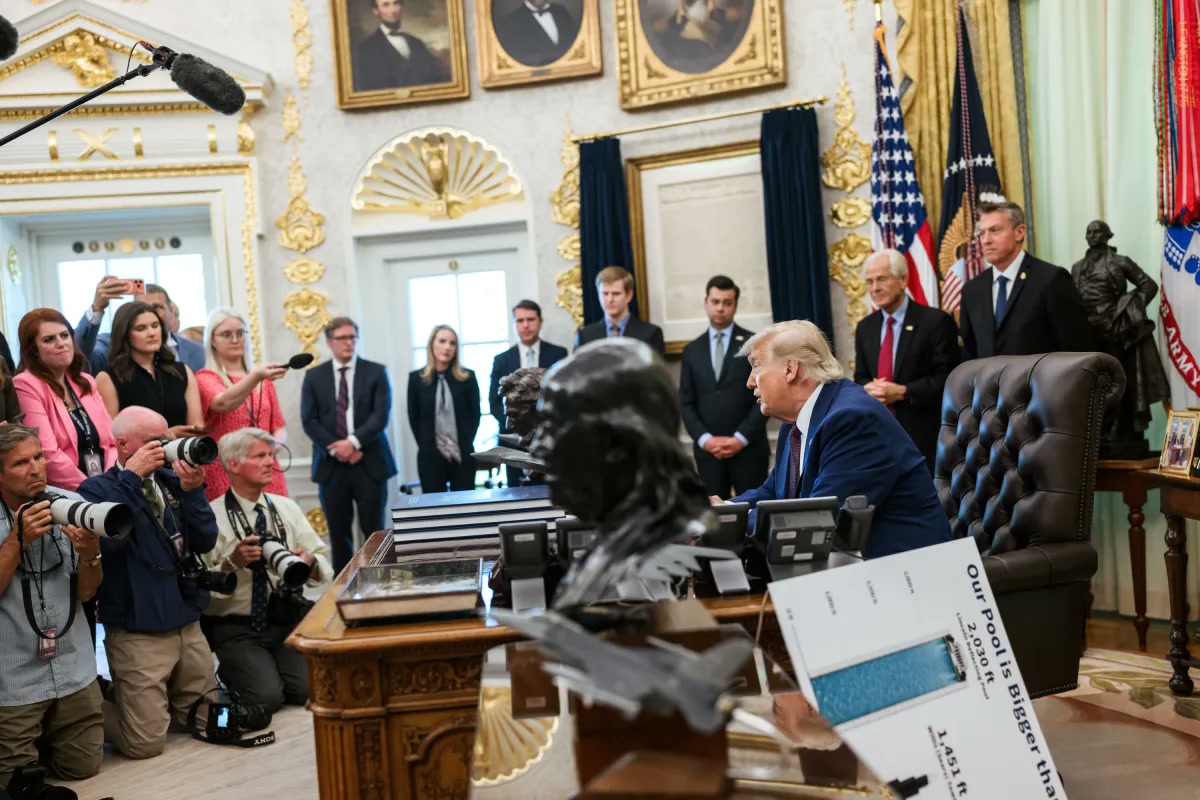
The sanctions were unveiled in a statement by Secretary of State Marco Rubio on Friday, October 9, according to Reuters. Rubio declared that "President Trump will never allow the International Criminal Court to prosecute Americans," and said Washington would prohibit additional transactions with the court for threatening to bring cases against American troops, border agents and political leaders.
In a separate report, Rubio went further, vowing to "end the ICC" if its threats of prosecution continue, and telling US allies he expects their help in reining in the "rogue" body. "We don't need that court. And we don't want it," he added.
The timing: hours after the Nobel
The timing was impossible to miss. The Norwegian Nobel Committee announced on Friday morning that South African jurist Navanethem "Navi" Pillay had won the 2026 Nobel Peace Prize for her work promoting international law. Pillay served as a judge on the ICC's Appeals Chamber from 2003 to 2008. The committee said it wanted to "issue a reminder" at a moment when "judges and institutions of international law are under political attack."
President Trump, who has openly campaigned for the prize and repeatedly claimed he deserved it for resolving conflicts around the world, was passed over — coverage of his Nobel campaign noted he had staked his case on claims of ending eight wars. Hours later, the administration struck at the court Pillay once served.
USA Today reported that the timing raises obvious questions about whether Washington is retaliating against the court for the Nobel Committee's choice. The White House did not immediately respond to requests for comment.
What the sanctions actually do
This round of sanctions goes significantly further than previous measures, which targeted individual prosecutors and judges. According to Reuters, Friday's move could punish companies that provide services to the court itself — a far broader net that threatens the ICC's day-to-day operations.
Rubio's statement laid out the goal plainly: "ban transactions with this rogue court, cutting off their resources and crippling its ability to operate."
The ICC, founded in 2002 to prosecute war crimes, crimes against humanity and genocide, counts 125 member states — including every EU country and every NATO member except the United States and Turkey. The court's seat in The Hague, Netherlands, sits in the territory of one of America's closest allies, which is why analysts see the move as a direct challenge to Europe as much as to the tribunal.
The court's response
The court pushed back quickly. ICC deputy prosecutor Nazhat Shameem Khan told Reuters the sanctions "must be condemned" and would not halt the tribunal's work.
"The sanctions are intended to undermine the rule of law internationally and the work that an independent judicial institution is doing," Khan said. "Our work will continue across all our situations, our investigations and our prosecutions."
The court has previously received strong public backing from its member states, and past sanctions on individual officials did not stop its investigations — including the ongoing proceedings it continues to pursue.
A feud years in the making
Washington's hostility to the ICC did not begin on Friday. The United States helped create the court but never joined it and never ratified the Rome Statute. Successive administrations — Republican and Democratic — have rejected the idea that the court has any jurisdiction over American citizens.
Two grievances drive the current campaign. First, the ICC issued an arrest warrant for Israeli Prime Minister Benjamin Netanyahu over alleged war crimes in Gaza. Second, the court previously investigated actions by US soldiers in Afghanistan — an investigation the ICC has since closed, but one Washington has never forgiven.
In July, Rubio wrote in a Wall Street Journal op-ed that the US was "dismantling the ICC" and would use "all the tools at our government's disposal." At the United Nations in September, Trump called on every ICC member state to quit what he called a "rogue institution" that was "out of control." Friday's sanctions are that threat, made real.
Key takeaways
- The US sanctioned the ICC itself — not just its officials — hours after former ICC judge Navi Pillay won the 2026 Nobel Peace Prize.
- The measures could target companies providing services to the court, aiming to "cripple its ability to operate."
- Secretary Rubio vowed to "end the ICC" and demanded allied help, putting Washington at odds with all 125 member states, including every EU nation.
- The court says its work will continue and condemned the sanctions as an attack on the rule of law.
Frequently Asked Questions
Why did the US sanction the ICC on October 9, 2026?
The Trump administration cited the court's threats to prosecute Americans — including troops, border agents and elected leaders — and its arrest warrant for Israeli Prime Minister Netanyahu. The sanctions landed hours after the Nobel Committee honored former ICC judge Navi Pillay, sharpening the political message.
How are these sanctions different from previous ones?
Earlier US measures targeted individual ICC officials, such as prosecutors and judges. The new sanctions hit the court as an institution and could punish companies that do business with it, threatening its funding and operations.
Can the ICC keep working despite US sanctions?
Deputy prosecutor Nazhat Shameem Khan says yes — the court called the sanctions an attack on the rule of law and insisted investigations and prosecutions will continue across all situations. The court retains the backing of its 125 member states.
Is the US a member of the ICC?
No. The United States helped establish the court but never ratified the Rome Statute, and both Republican and Democratic administrations have long rejected the idea that it has jurisdiction over Americans.
Sources
- Reuters — US imposes sanctions on International Criminal Court, hours after former judge wins Nobel
- Reuters — ICC prosecutor condemns US sanctions, says work will continue
- USA Today — US sanctions the ICC after former judge wins the Nobel Peace Prize
- New York Post — Rubio slaps fresh sanctions on 'rogue' International Criminal Court