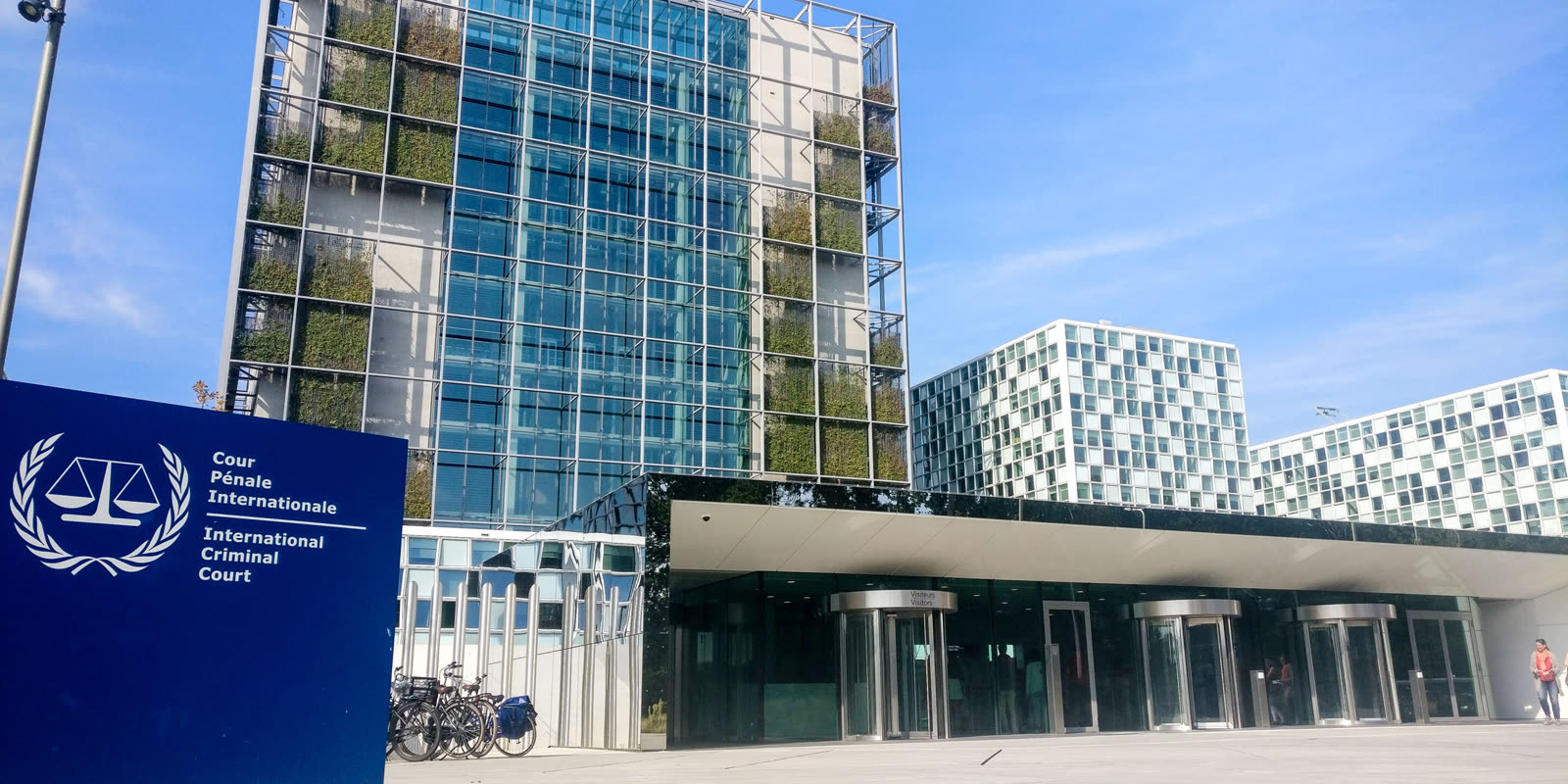
Judges at the International Criminal Court have found former Philippine president Rodrigo Duterte fit to stand trial, rejecting his lawyers' claim that cognitive decline should halt the most significant case the court has ever brought against a former Asian head of state. The ruling by Trial Chamber III, made public on Thursday, clears the final obstacle before Duterte's trial on charges of murder and attempted murder as crimes against humanity — connected to his brutal war on drugs — opens on November 30.
The chamber's decision
The court said a panel of independent medical experts had concluded that Duterte, 81, is able to "effectively exercise his fair trial rights in the proceedings." According to Reuters, the experts found some physical and mental slowing consistent with his age and frailty, but said he can understand the charges, follow proceedings, grasp the implications of entering a plea, and assist in his own defence.
The decision, dated September 28, was published Thursday. The chamber said it was "satisfied that the Expert Panel's Reports are sufficiently conclusive" on his ability to participate, and ordered measures to facilitate his involvement in the trial. Duterte's defence team had argued he suffers from cognitive decline — claiming at one point he sometimes forgot his own lawyer's name — and asked judges to throw out the case on medical grounds. Judges rejected that argument and also denied an earlier request for his release from custody.
Three counts, one landmark trial
Duterte faces three counts of crimes against humanity before the court, covering alleged killings by the so-called Davao Death Squad during his years as mayor of Davao City and the nationwide anti-narcotics campaign he unleashed as president. Prosecutors say Duterte was criminally responsible for at least 76 deaths directly attributed to his orders, within a campaign that they say killed thousands of civilians broadly between 2016 and 2022.
The death toll remains bitterly contested: the Philippine national police report just over 6,000 deaths, while human rights groups estimate as many as 30,000 people were killed. Prosecutors allege police and government hit squads carried out dozens of killings at Duterte's orders — in some cases motivated by promised payments or to avoid becoming targets themselves. Duterte denies the charges; in February, his then-lawyer Nicholas Kaufman said they were politically motivated. If convicted, the former president faces a maximum sentence of life imprisonment.
A first for the court
In March 2025, Duterte became the first Asian head of state ever arrested by the ICC, after a lengthy investigation into mass killings in the crackdowns he oversaw first as mayor of Davao and then as president. The ICC has been examining the violence since 2018. A month after the court announced its preliminary investigation that year, Duterte announced the Philippines' withdrawal from the court — but judges later ruled that a state cannot "abuse" its right to withdraw to shield persons from justice over crimes already under consideration.
Trials at the ICC, the world's only permanent war crimes court, generally last several years before a judgment. Duterte, once among the most feared leaders in Asia, is now held in the court's detention centre in The Hague.
Fallout still unfolding in Manila
The case continues to convulse Philippine politics. The court has also unsealed an arrest warrant for Ronald dela Rosa, Duterte's national police chief during the drug war, after an attempt to arrest him at the Philippine Senate dissolved into gunfire earlier this year; he remains in hiding. Two months later, the Senate opened impeachment proceedings against Duterte's daughter, Vice President Sara Duterte, over charges including amassing unexplained wealth and publicly threatening the family of President Ferdinand Marcos Jr. — a conviction would permanently disqualify her from office.
Contents
- The chamber's decision
- Three counts, one landmark trial
- A first for the court
- Fallout still unfolding in Manila
- Key takeaways
- Frequently Asked Questions
- Sources
- Related reading
Key takeaways
- ICC Trial Chamber III ruled on October 8 that Rodrigo Duterte, 81, is fit to stand trial, rejecting his defence's claim of cognitive decline after review by a panel of medical experts.
- The trial on three counts of crimes against humanity — murder and attempted murder tied to his war on drugs — is scheduled to open on November 30 in The Hague, making him the first Asian former head of state tried by the court.
- Prosecutors attribute at least 76 deaths directly to Duterte's orders; the broader campaign's toll is estimated between 6,000 (police) and 30,000 (rights groups).
- The political fallout in Manila continues: Duterte's police chief Ronald dela Rosa is in hiding from an ICC arrest warrant, and his daughter, Vice President Sara Duterte, faces impeachment proceedings.
Frequently Asked Questions
Why did Duterte's lawyers say he was unfit?
The defence argued the 81-year-old former president suffers from cognitive decline and could not effectively participate in his trial, at one point claiming he sometimes forgot his own lawyer's name. The independent medical panel found age-related slowing but concluded he can understand the charges, follow proceedings, and assist his defence.
What is Duterte charged with?
He faces three counts of crimes against humanity — murder and attempted murder — before the ICC, tied to alleged killings by the Davao Death Squad and his national war on drugs. Prosecutors say he was criminally responsible for at least 76 deaths, within a campaign that killed thousands of civilians between 2016 and 2022. He denies the charges.
When does the trial start, and how long will it last?
The trial is scheduled to open on November 30, 2026, at the ICC in The Hague. Trials at the court generally last several years before reaching a judgment, and a conviction could carry a maximum sentence of life imprisonment.
How did the Philippines' withdrawal from the ICC affect the case?
Duterte announced the Philippines' withdrawal from the court in 2018, a month after its preliminary investigation was announced. Judges later rejected the defence's attempt to throw out the case on jurisdictional grounds, ruling that countries cannot abuse their right to withdraw to shield persons from justice over crimes already under consideration.
Sources
- Reuters — ICC says former Philippine President Duterte fit to stand trial
- Rappler — Rodrigo Duterte fit for trial, says ICC
- GMA News — Rodrigo Duterte fit to stand trial, says ICC Trial Chamber
- Deutsche Welle — Rodrigo Duterte ruled fit to stand trial by ICC judges