UN Secretary-General António Guterres has revealed that the parties to the Western Sahara dispute discussed the creation of a transitional council and a draft framework agreement during three rounds of direct negotiations earlier this year — the first such direct engagement in nearly seven years, according to extracts of his October 1 report to the Security Council, as reported by Morocco World News.
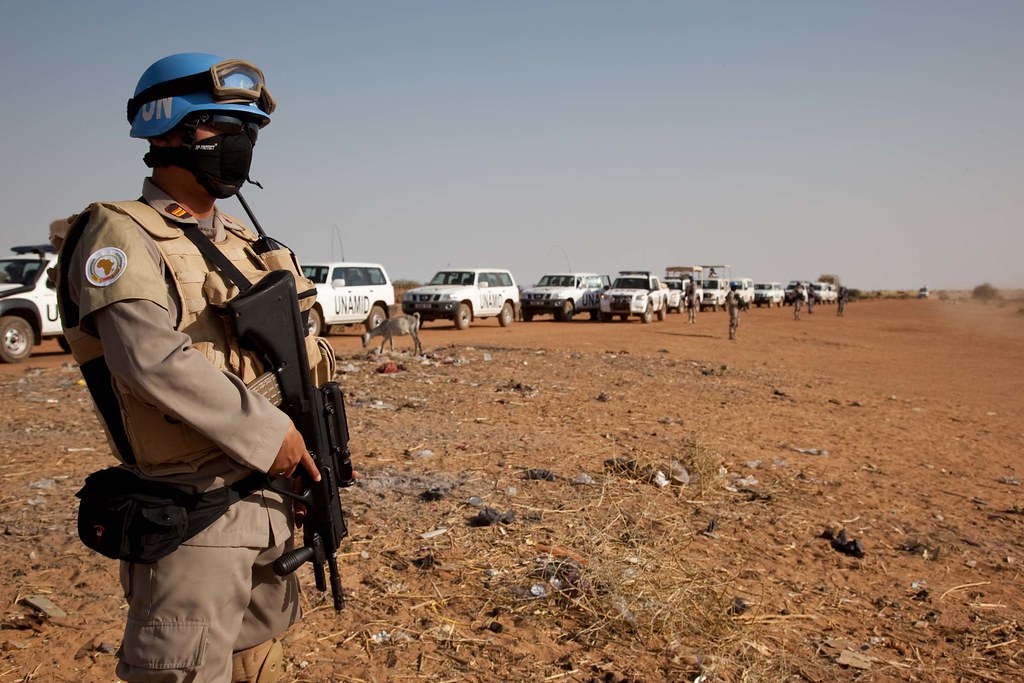
The disclosure lands days before the Council's closed consultations on October 7–8 and the expected vote later this month on renewing the mandate of MINURSO, the UN mission in the territory, which expires on October 31.
What the report says
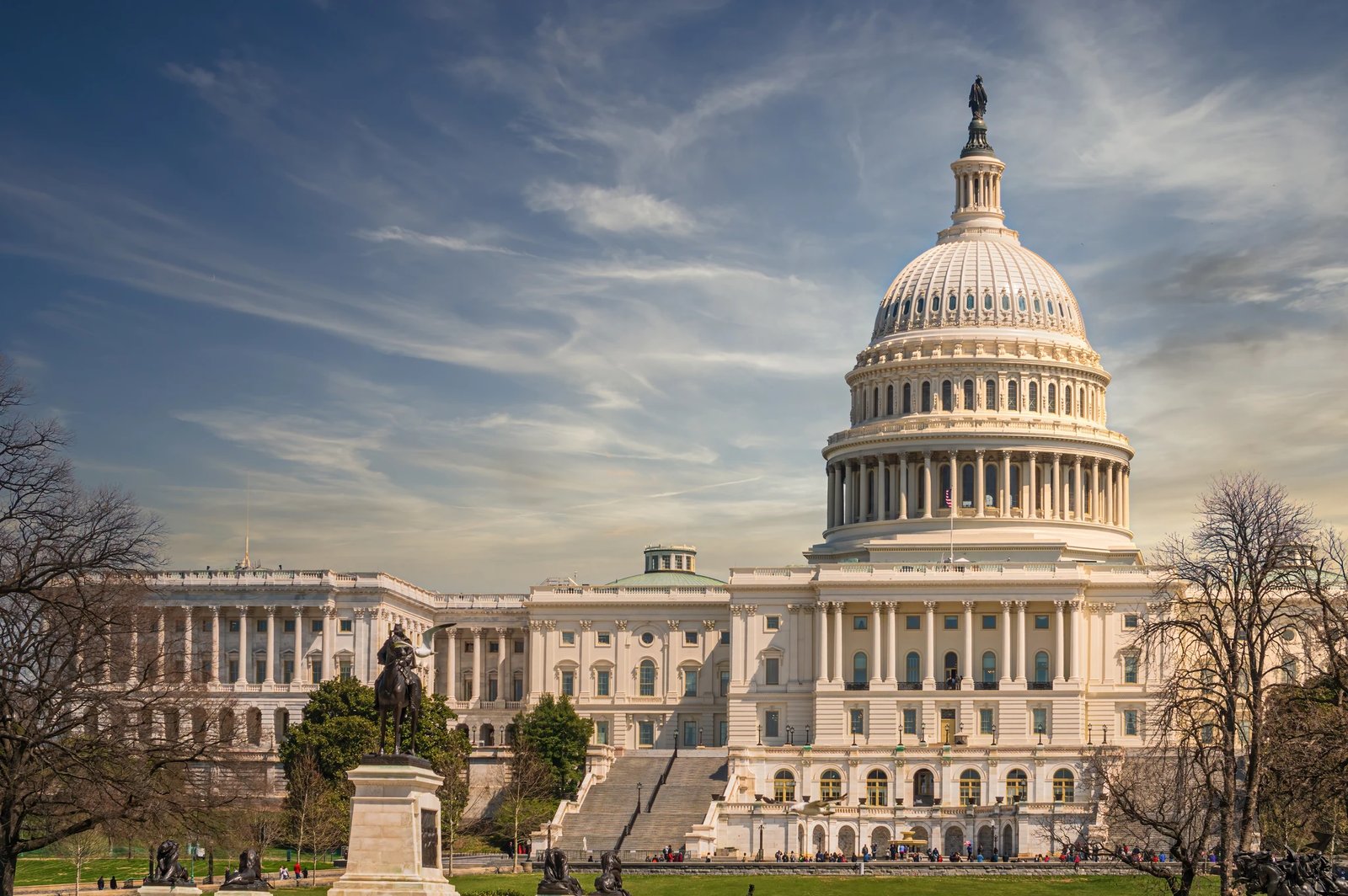
The document, circulated to the fifteen Council members as an advance copy, records that Morocco, the Polisario Front, Algeria and Mauritania held three rounds of talks in the first quarter of 2026: in Washington on January 18–19, in Madrid on February 8–9, and again in Washington on February 23–24. The rounds were co-chaired by the UN Secretary-General's Personal Envoy Staffan de Mistura and US Ambassador to the UN Michael G. Waltz, with support from US presidential adviser Massad Boulos.
During the Madrid round, participants discussed establishing a transitional council that could oversee aspects of a possible transition and frame the negotiation of a just, lasting and mutually acceptable political settlement. The talks also covered international guarantees, resource-sharing, amnesty and reconciliation, disarmament and reintegration, security arrangements and electoral systems. At the parties' request, UN and US teams subsequently worked on a preliminary draft framework agreement for a possible transition period.
The center of gravity: Morocco's autonomy plan
The report confirms that negotiations proceeded on the basis of Morocco's autonomy initiative, in line with Security Council Resolution 2797, adopted in October 2025, which gave renewed momentum to the UN-led process. Guterres urges all sides to "engage in concerted and good-faith negotiations" to "explore the possibility of genuine autonomy for the people of Western Sahara, which could represent the most feasible outcome."
That phrasing marks a clear break from decades of deadlock and places the autonomy plan — presented by Rabat to the UN in 2007, offering significant local powers under Moroccan sovereignty — at the center of the process. The Polisario Front, meanwhile, continues to advocate self-determination including independence as an option, and Algeria's posture remains a key variable.
Why now
The timing is deliberate. The Council opened closed consultations on October 7 with troop-contributing countries, followed by full consultations on October 8, where Special Representative Alexander Ivanko and envoy de Mistura are briefing members on the Secretary-General's report ahead of the MINURSO renewal vote.
Washington's posture adds pressure: the US voted for Resolution 2797 and has urged the parties to engage seriously using the autonomy proposal as the basis. With US diplomacy now co-chairing the talks directly, the October mandate vote is shaping up as a test of whether a year of closed-door diplomacy can produce a concrete roadmap.
What to watch
Three questions will define the coming weeks. First, whether the draft framework agreement survives contact with the Council and becomes the basis of formal negotiations. Second, how Algeria and the Polisario respond publicly to a transitional-council concept tied to autonomy rather than a referendum. And third, whether the October 31 MINURSO renewal simply extends the status quo or comes with new negotiating instructions. Guterres notes that momentum has at times been hindered by continued military activity and a persistent lack of trust — a reminder that a leaked framework is not yet a settlement.
Table of contents
Frequently Asked Questions
What is the proposed transitional council?
A body discussed during the February Madrid round that would oversee aspects of a possible transition phase in Western Sahara and provide a framework for negotiating the details of a just, lasting and mutually acceptable political settlement.
Who took part in the direct talks?
Morocco, the Polisario Front, Algeria and Mauritania held three rounds of direct negotiations in early 2026, co-chaired by UN envoy Staffan de Mistura and US Ambassador Michael G. Waltz, with support from US presidential adviser Massad Boulos.
What is Resolution 2797?
A Security Council resolution adopted in October 2025 that renewed MINURSO's mandate and made Morocco's 2007 autonomy initiative the basis of negotiations, with genuine autonomy described as potentially the most feasible outcome.
When does the Council decide on MINURSO's mandate?
The mandate expires on October 31, 2026. Closed consultations took place on October 7–8, and a vote on a renewal resolution is expected later in October.
Related reading: Morocco names Fatima Zahra Mansouri prime minister · Algeria severs ties with UAE in diplomatic rupture · EU–China trade talks open in Beijing