Monsoon floods in Thailand have killed 60 people nationwide since mid-September, the government said on Wednesday, as rivers keep rising in some regions and the capital Bangkok scrambles to clean up before hosting the International Monetary Fund and World Bank annual meetings next week. The disaster is now a triple test for Prime Minister Anutin Charnvirakul's government: relief, recovery, and the country's international image, according to reporting by The Straits Times.
Days of torrential rain late last month inundated parts of Bangkok, the capital built on former marshlands and crisscrossed by canals. The floodwaters have largely receded from the city, but the toll keeps climbing across the country.
Prachinburi Bears the Worst of It
The central province of Prachinburi has suffered the heaviest losses, with 19 people dead, according to the Department of Disaster Prevention and Mitigation. Overflowing rivers flooded houses in seven districts, affecting more than 188,000 people.
Deaths have been recorded in around a dozen other provinces and the capital. Flooding is still ongoing in 27 of Thailand's 77 provinces, and the department warns that river levels are still rising in some areas. The Interior Ministry puts the overall scale even higher: 1.15 million households affected between September 16 and October 7.
Bangkok's Disaster Declaration — and the Clock Ticking
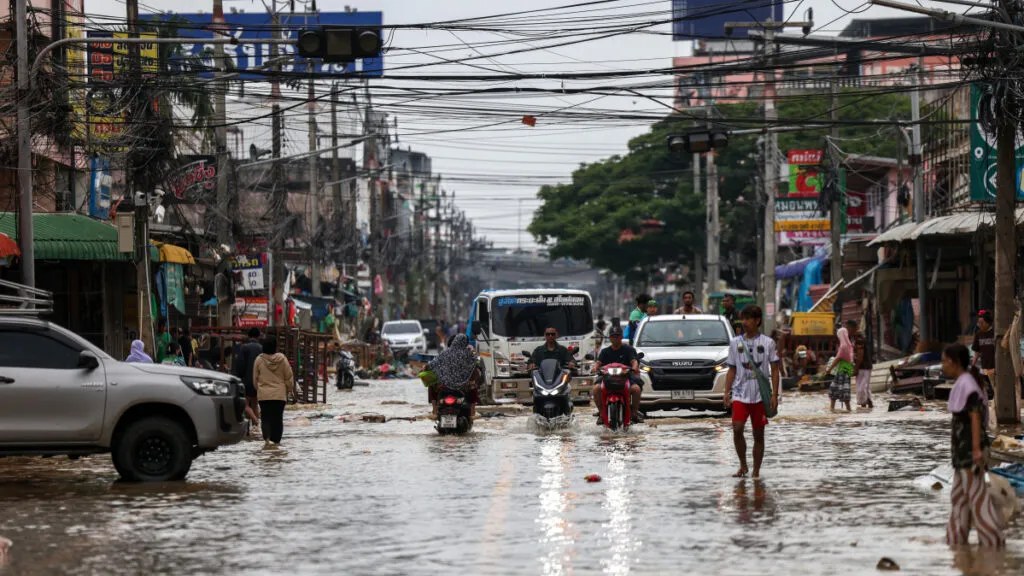
In Bangkok, four people have died since September 16, after roughly a month's worth of rain fell over just a few days late last month, prompting a citywide disaster declaration. Streets in some eastern districts sat under knee-deep water for days, vehicles were abandoned on submerged roads, and schools closed for two days.
Now a massive cleanup is underway, because the capital is about to be on the world stage. The IMF and World Bank meetings begin next week, and Prime Minister Anutin has ordered agencies to get flooding and transport under control to avoid disruptions. That directive follows public criticism of the government's flood response.
The Economic Toll
Beyond the human cost, the floods are exacting a mounting economic price: homes and crops destroyed, livestock lost, factories inundated. Hundreds of millions of dollars in damage has been done in Bangkok alone, and homeowners are racing to apply for complicated government compensation schemes. Authorities say contingency plans are in place if the floods return and threaten the meetings.
Frequently Asked Questions
How many people have died in Thailand's floods?
Sixty people nationwide have died since mid-September, the government said on October 7. The worst-hit province is Prachinburi in central Thailand, with 19 deaths. Flooding is ongoing in 27 of Thailand's 77 provinces.
Why are the IMF and World Bank meetings relevant?
Bangkok is preparing to host the IMF and World Bank annual meetings next week, expected to draw thousands of global delegates. The government has ordered a massive cleanup and flood-management push to avoid disruptions, and says contingency plans are in place.
How bad were the Bangkok floods?
A month's worth of rain fell over several days in late September, leaving parts of the city under knee-deep water for days. Bangkok's drainage system buckled, vehicles were abandoned on submerged streets, and the city issued a disaster declaration — the worst flooding in the capital in 15 years.
Table of Contents
- Prachinburi Bears the Worst of It
- Bangkok's Disaster Declaration — and the Clock Ticking
- The Economic Toll
Read also: Bangkok on the brink: floods turn streets into stagnant lakes | IMF warns of lasting affordability damage